
Low Histamine Diet: When “Healthy Foods” Trigger Inflammation, Anxiety, and Gut Symptoms
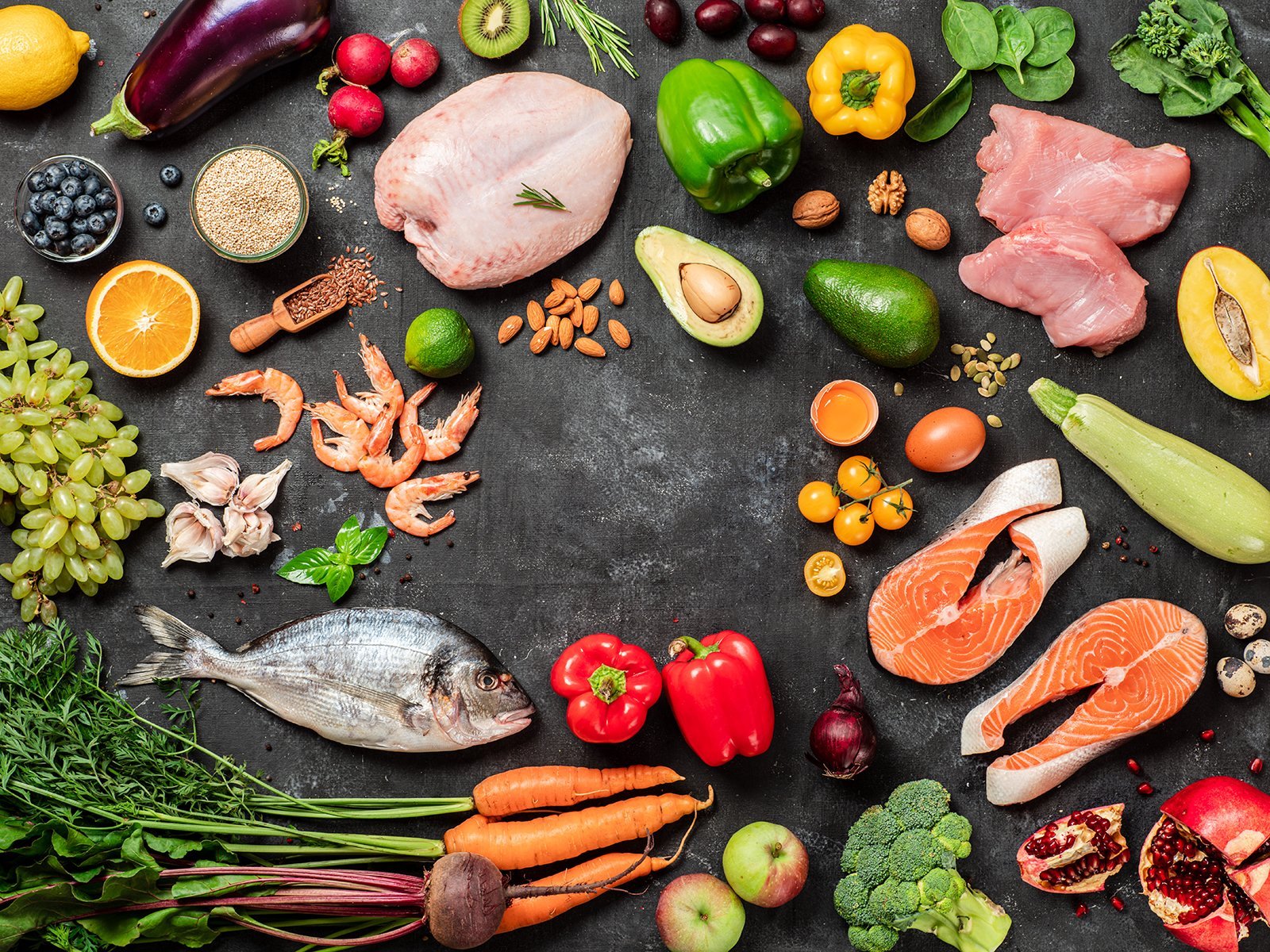
As a functional medicine provider, one of the most frustrating experiences my patients share with me is this: they’ve worked so hard to “eat clean,” only to feel worse. They swap processed foods for avocado, spinach, sauerkraut, or bone broth, and instead of thriving, they end up bloated, anxious, itchy, and inflamed.
This isn’t all in their head—it’s histamine intolerance. And it’s one of the most overlooked root causes of stubborn gut, brain, and hormone symptoms.
What Is Histamine Intolerance?
Histamine is a naturally occurring compound in the body. You need it—it plays a role in digestion, regulates stomach acid, influences immune responses, and even acts as a neurotransmitter.
But here’s the catch: your body has to be able to break down histamine effectively. Normally, this job falls to an enzyme called diamine oxidase (DAO), found primarily in the gut. If DAO activity is impaired or your histamine load is too high, histamine accumulates in the bloodstream. That’s when symptoms start to spiral.
And unlike classic food allergies, histamine intolerance doesn’t show up as a single obvious trigger. It’s a threshold problem—the “bucket” overflows when you add just one more histamine-rich food or stressor to the mix.
How Histamine Intolerance Shows Up in Real Life
Symptoms are often wide-ranging, which is why many patients bounce between specialists for years without answers. Some of the most common complaints include:
- Digestive distress: bloating, diarrhea, abdominal pain, or nausea
- Neurological symptoms: migraines, headaches, dizziness, brain fog
- Skin reactions: hives, flushing, itching, eczema flare-ups
- Anxiety or panic-like symptoms: histamine can act directly in the brain
- Hormonal issues: worsened PMS, cycle irregularities, or perimenopausal symptoms
(Maintz & Novak, 2007; Reese et al., 2021)
The overlap with IBS, food allergies, and anxiety disorders often means histamine intolerance gets misdiagnosed—or dismissed entirely.
In my practice, I see patients who’ve been told to “just manage stress” or “avoid dairy and gluten,” yet their symptoms persist. Once we start evaluating histamine metabolism and gut health, the picture becomes much clearer.
Why Histamine Intolerance Happens
Histamine intolerance is never about one single “bad food.” It reflects a deeper imbalance. Some of the most common root causes I see include:
- Gut dysbiosis: Overgrowth of histamine-producing bacteria in the gut (Pinzer et al., 2018).
- Nutrient deficiencies: DAO depends on cofactors like vitamin C, B6, and copper. Without them, the enzyme can’t function properly.
- Leaky gut: Increased intestinal permeability allows histamine and other inflammatory molecules into circulation.
- Chronic stress: Cortisol imbalance weakens both gut and immune function, compounding histamine problems.
- Medications: Certain antidepressants, NSAIDs, or antibiotics can lower DAO activity.
The result? Even foods that are objectively nutrient-dense can become problematic if your body can’t keep up with histamine breakdown.
Foods to Avoid—and What to Eat Instead
The goal of a low-histamine diet is not deprivation, it’s stabilization. By reducing histamine load short-term, you give your body a chance to reset enzyme activity and calm inflammation.
High-histamine foods to avoid (temporarily):
- Aged or fermented foods: cheese, sauerkraut, kimchi, kombucha, yogurt
- Cured or processed meats: bacon, salami, smoked fish, deli meats
- Alcohol: particularly red wine, champagne, and beer
- Vinegar-containing foods: pickles, condiments, soy sauce
- Certain produce: avocado, spinach, tomato, eggplant
- Leftovers: histamine levels rise as food sits in the fridge
These are all healthy in the right context—but when your DAO activity is impaired, they can push histamine levels over your personal threshold.
Foods that tend to be better tolerated:
- Fresh-cooked meats and poultry (ideally organic or grass-fed)
- Freshly caught white fish or shellfish (avoid leftovers)
- Low-histamine fruits: apples, pears, blueberries, mango, watermelon
- Non-starchy vegetables: zucchini, carrots, cucumber, lettuce
- Gluten-free grains: rice, quinoa, millet
- Fresh herbs (basil, parsley) and anti-inflammatory fats like olive or coconut oil
In clinic, I often remind patients: it’s not just what you eat, it’s how fresh it is. Cooking and freezing meals immediately after preparation can help prevent histamine buildup.
Once inflammation is reduced and gut function improves, most patients can begin reintroducing foods—sometimes even the same ones that used to cause major reactions.
Functional Medicine Solutions
At Modern Endocrine, I don’t believe in endless restriction. The goal isn’t to avoid histamine forever—it’s to restore balance so you can enjoy a wide variety of foods again. Here’s how we do it in clinic:
1. Testing and Evaluation
We often begin with a GI-MAP stool test to look for dysbiosis, leaky gut, or hidden infections. I also run nutrient panels to identify deficiencies in vitamin C, B6, copper, or zinc, which are critical for DAO function.
2. Short-Term Low-Histamine Diet
For 4–6 weeks, patients follow a structured low-histamine plan to calm inflammation. This reset gives the body space to recover while we work on underlying issues.
3. Targeted Supplement Support
- DAO enzyme supplements to provide immediate relief
- Vitamin C and B6 to boost natural DAO activity
- Quercetin as a mast cell stabilizer, helping reduce histamine release
4. Gut Repair Protocols
We don’t stop at symptom suppression. Restoring gut integrity and microbiome balance is what allows patients to reintroduce foods successfully over time. This might include probiotics (low-histamine strains), gut-healing peptides, or herbal antimicrobials depending on testing results.
5. Stress and Lifestyle Interventions
Because histamine is a nervous system messenger, stress management is non-negotiable. Breathwork, sleep optimization, and nervous system regulation practices are built into every patient plan.
6. Personalized Food Reintroduction
Once symptoms calm, we carefully reintroduce foods one at a time. Most patients are able to expand their diets significantly once the root causes are addressed.
A Real-World Example
A 35-year-old patient came to me after years of struggling with “mystery” symptoms: bloating, migraines, anxiety spikes, and rashes. She had tried gluten-free, dairy-free, and even keto diets—but nothing worked long term.
Testing revealed dysbiosis and nutrient deficiencies that were impairing her DAO activity. We used a short-term low-histamine diet, added DAO enzyme and vitamin C support, and treated the bacterial imbalance in her gut. Within three months, her headaches had nearly disappeared, her digestion normalized, and she was able to enjoy previously problematic foods like avocado again.
This is what functional medicine does best—we don’t just put a band-aid on symptoms, we remove the obstacles so the body can heal.
Final Thoughts
Histamine intolerance is more common than most people think, and it’s often the missing link for patients who feel worse when they “eat healthy.”
If you’ve been dismissed, misdiagnosed, or left spinning your wheels with elimination diets, it’s time to take a deeper look. With the right testing, support, and gut repair, you can calm symptoms, restore tolerance, and reclaim food freedom.
Are your “healthy foods” secretly making you sick? Schedule a consultation today and let’s uncover whether histamine intolerance is at the root of your symptoms.
References
Maintz, L., & Novak, N. (2007). Histamine and histamine intolerance. American Journal of Clinical Nutrition, 85(5), 1185–1196. https://doi.org/10.1093/ajcn/85.5.1185
Pinzer, T. C., Tietz, E., Waldmann, E., Schink, M., Neurath, M. F., & Zopf, Y. (2018). Low-histamine diet is effective for treatment of histamine intolerance. Allergy, 73(1), 72–79. https://doi.org/10.1111/all.13247
Reese, I., Ballmer-Weber, B. K., Beyer, K., Fuchs, T., Klimek, L., Lepp, U., … & Werfel, T. (2021). Guideline on management of suspected adverse reactions to ingested histamine. Allergo Journal International, 30(1), 9–20. https://doi.org/10.1007/s40629-020-00155-4