
Methylene Blue: Hype or Healing? What You Need to Know About This Mitochondrial Therapy
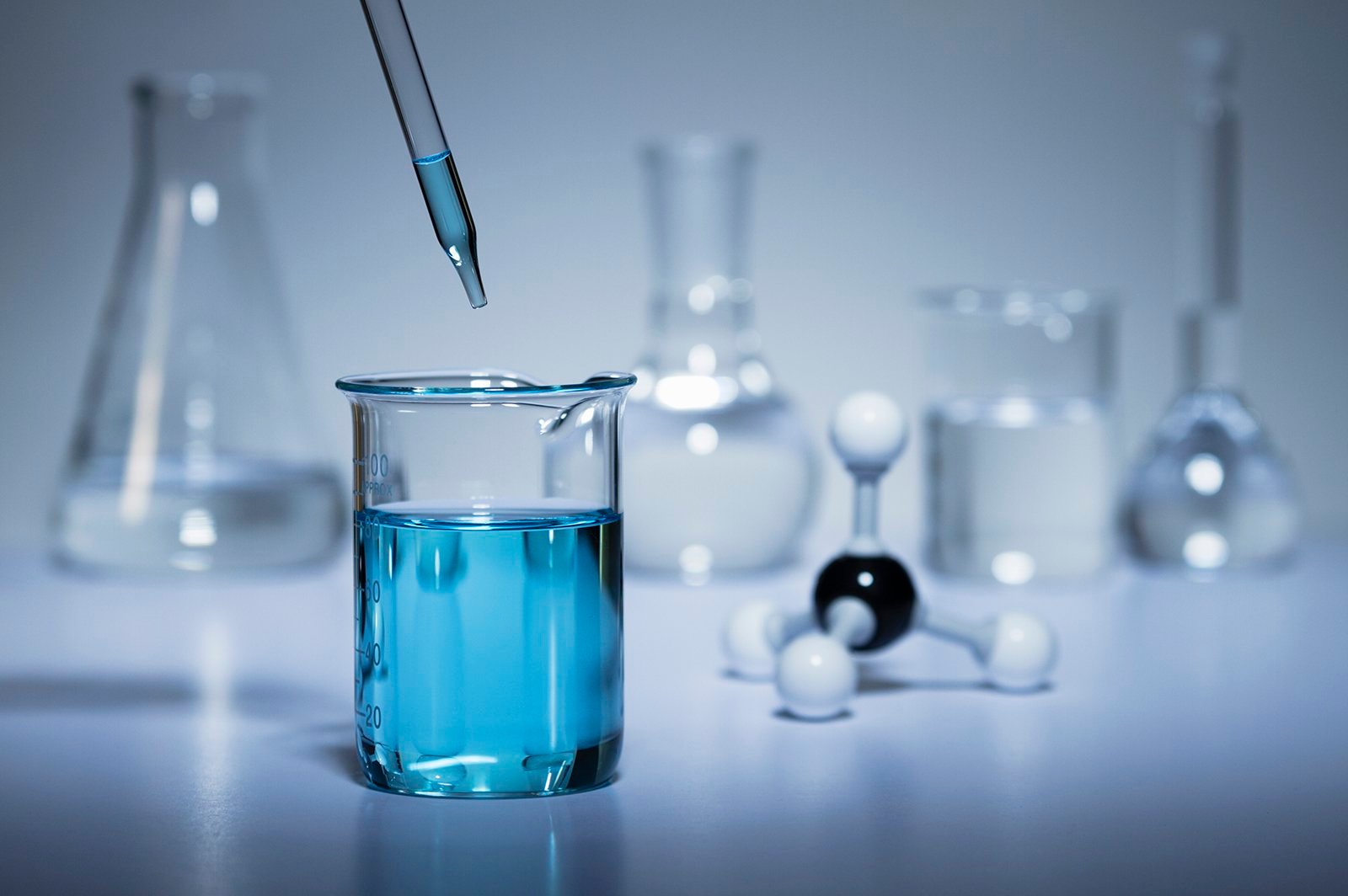
Biohackers love it. TikTok shows people with blue tongues. And it’s even being used in hospital ICUs. But what’s the real story behind methylene blue?
As a functional medicine endocrinologist, I’m always balancing what’s trending with what’s truly therapeutically sound, especially when it comes to chronic fatigue, cognitive decline, or post-viral burnout. And methylene blue? It’s earning its place in the clinical toolbox.
What Is Methylene Blue?
Methylene blue was first synthesized in the 1800s and has been used for over a century in conventional medicine as an antimalarial, antiseptic, and treatment for a condition called methemoglobinemia. But recently, it’s made a comeback as a mitochondrial therapy, especially in the world of longevity and neuroprotection.
How does it work? Methylene blue:
- Supports mitochondrial respiration (how your cells make energy)
- Increases ATP production (your body’s cellular fuel)
- Reduces oxidative stress and neuroinflammation
- Improves blood flow and oxygen delivery to the brain
Think of it as a cellular booster; it helps your systems function more efficiently at a microscopic level.
Why Mitochondria Matter (More Than You Think)
Your mitochondria are the “power plants” of every cell. When they’re working, you feel energized, focused, and resilient. When they’re not, you get brain fog, fatigue, slow healing, and increased disease risk.
Most chronic conditions, from long COVID to hormone imbalances, have mitochondrial dysfunction at their core. This is why methylene blue is so exciting; it goes after the cellular root of dysfunction, not just the surface-level symptoms.
How I Use Methylene Blue in Practice
This therapy isn’t for everyone. But when used correctly, I’ve seen it help patients who are stuck in cycles of:
- Post-viral fatigue (especially post-COVID)
- Cognitive decline and memory lapses
- ADHD and trying to get off of stimulant medications (Adderall, Vyvanse, Ritalin, ect)
- Burnout and low brain stamina
- Chronic inflammation or toxic exposure
- Lyme disease and mold illness recovery
We use methylene blue in low, controlled doses, often alongside:
- IV therapy (like ozone, glutathione, or NAD+)
- Gut-brain axis support (GI maps)
- Hormone balancing
- Mitochondrial nutrient protocols (Cellular Renew, SS-31, Stem Regen, CoQ10, PQQ, B vitamins)
It’s never a standalone; it’s part of a comprehensive repair and restore protocol.
Is It Safe?
Methylene blue is generally well-tolerated at low doses, but dosing is everything. Too much can lead to serotonin syndrome (especially if combined with certain antidepressants), nausea, or dizziness.
That’s why I don’t recommend self-experimentation. In our clinic, we screen carefully for medication interactions, adjust dosing based on body weight and history, and monitor symptoms throughout. This is clinical medicine, not a DIY trend.
Is Methylene Blue Right for You?
If you’re tired of waking up tired… if your brain feels foggy no matter how clean you eat or how much you sleep… methylene blue might be the cellular key your body is missing.
This is about more than boosting energy. It’s about restoring function at the level of your cells, your brain, and your long-term health trajectory.
Curious whether methylene blue fits into your plan? Book a consultation and let’s build a mitochondria-first strategy that gets to the root of what’s draining you.
References
Wen, Y., Li, W., Poteet, E. C., Xie, L., Tan, C., Yan, L. J., … & Yang, S. H. (2011). Alternative mitochondrial electron transfer as a novel strategy for neuroprotection: Methylene blue selectively reduces mitochondrial superoxide. PLoS ONE, 6(12), e24502. https://doi.org/10.1371/journal.pone.0024502
Rojas, J. C., John, J. M., Lee, J., & Gonzalez-Lima, F. (2009). Methylene blue provides behavioral and metabolic neuroprotection against optic neuropathy. Neurotoxicity Research, 15(3), 260–273. https://doi.org/10.1007/s12640-009-9027-4
Bai, F., & Wang, Y. (2021). Mitochondrial dysfunction in aging and metabolic diseases. Cell Research, 31(10), 859–871. https://doi.org/10.1038/s41422-021-00490-9