
The Keto Truth: Why Flexibility Beats Restriction for Hormone Health
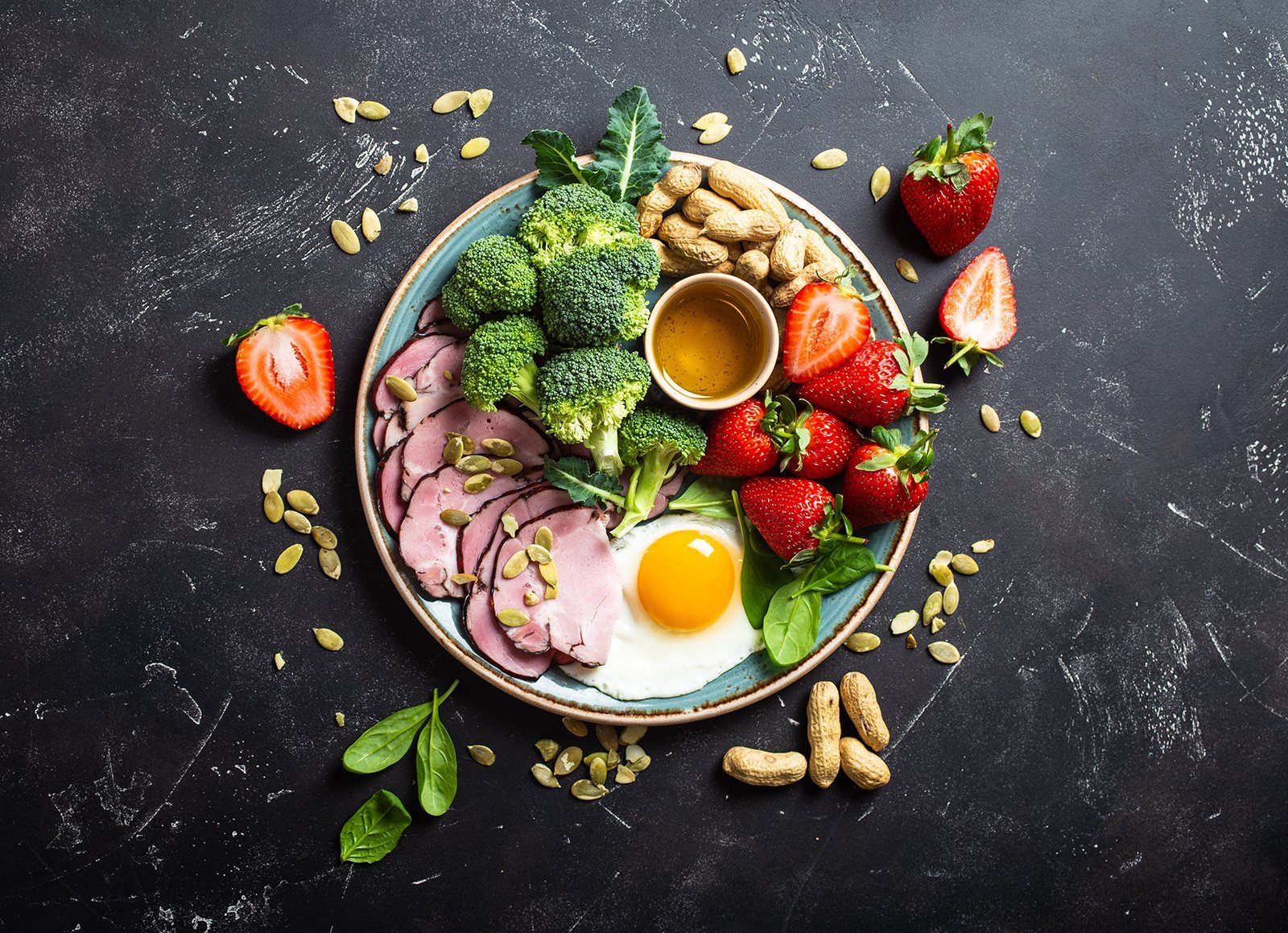
What if the key to reversing fatigue, brain fog, and weight gain isn’t medication—but mastering your metabolism for true freedom?
In this empowering episode of Hormones, Metabolism, and You, Dr. Cassie Smith sits down with Ben Azadi, founder of Keto Kamp and author of Metabolic Freedom, to explore how personalized nutrition, metabolic flexibility, and lifestyle changes can help you reclaim your health—without relying on medications.
Ben shares his powerful journey from depression and obesity to becoming a globally recognized health educator. Together, they dive into the science and strategy behind ketogenic and carnivore diets, how to optimize insulin sensitivity, and why women must approach fasting and keto differently based on their hormones.
Whether you’re dealing with insulin resistance, brain fog, fatigue, or autoimmune conditions, this episode offers tools, hope, and actionable insight to help you break free from metabolic chaos and regain energy, clarity, and freedom.
💡 You don’t have to be a Modern Endocrine patient to get started—metabolic health and insulin testing support are available across all 50 states and Canada!
Cassie info and links:
Check out the website
Follow Cassie on Instagram
Follow Cassie on Facebook
Follow Cassie on YouTube
Follow Cassie on TikTok
Blog/Transcription:
0:05 Okay, so today I have with me Ben Aati. He wrote Metabolic Freedom. And I know
0:10 you guys have been asking a lot about the ketogenic diet, carnivore diet, you
0:15 know, metabolic questions in general. And so I thought he would be a wonderful guest to come on. I wanted him to come
0:21 and answer some of our questions and talk about his new book. So thank you for coming on to our podcast.
0:26 Thank you for having me, Cassie. Love your podcast. love the work you’re doing and we’re going to have fun, incredible
0:32 conversation. Let’s do this. I’m excited. Okay, so here’s how I want to start. So, I know in I think it was
0:38 2008 that I read that you released like you lost like 80 pounds, right? Completely transformed your life. So,
0:46 looking back, what was the real turning point that set you on this path? Like why did you do this?
0:51 Yeah, that is correct. 2008, I was uh 24 years old. When most people turn 24,
0:57 they’re maybe graduating college, starting a career, maybe starting a family. That was not my life. I was
1:02 broken broken. I was look actually looking for ways to end my life because I was actually so physically and mentally obese is what I call it. And I
1:11 wanted to give up and I explored giving up. But I I kept think thinking about my mother stopped me from pursuing that. So
1:18 what caused me to make a change was the question. And it was hitting such tough times, hitting rock bottom, being in a
1:24 dark place that really forced me to make a change. I was just sick and tired of being sick and tired. I weighed 250 lbs
1:30 at this point. I had 34% body fat classified as being obese, high blood
1:36 pressure, uh pre-diabetes, erectile dysfunction. My whole body felt inflamed, brain fog, cyclical fatigue,
1:43 and 24 years old dealing with all of this. So, I didn’t know what to do. And I went to my doctor’s appointments
1:49 several times and I would explain what’s going on with me. I would explain the symptoms and not once did my doctor ask
1:55 me, “What are you eating? Let’s discuss your lifestyle. Let’s discuss your gut microbiome, right? Your hormones.” None
2:01 of that was even offered to me. It was more of a suggestion like, “Hey, we have this, you know, prescription medication
2:06 that may mitigate some of these symptoms.” And thankfully, I never went on those medications because I felt like
2:11 I was too young on to go on those. And it forced me to figure things out. And that’s where I started to just create
2:18 small changes changes in my life. I call it this kind of tweak a week philosophy where I started to move my body, get
2:25 steps and then that turned into working out and then eating single ingredient foods and taking ownership and responsibility was at the forefront of
2:32 all of this cuz at that time before that I was blaming my genetics, my enabling family members. I mean, my mom, get
2:38 this, Cassie, my mom, I was obese as a kid, as I mentioned. Not husky, not chunky, you know, I was fat. And my mom
2:45 worked at Kentucky Fried Chicken. That’s like I that’s like a cocaine addict’s
2:50 mother working for the Colombian Drug Cartel. So, I ate a lot of fried chicken. I ate a lot of fast food. And,
2:56 you know, I was blaming my mom. I was blaming all these people. But in reality, like, I am responsible. If you’re listening to this, like, you are
3:02 responsible. Not to negate some of the challenges you’re having, but it starts with personal responsibility. So after
3:08 that, um, 9 months later, I lost 80 lbs. I went from 34% body fat at my highest to 7 67% at my lowest. And that’s what
3:16 got me into the health arena, the health space. That was 17 years ago. And I just
3:22 been so fascinated about metabolism, all the things you love, gut health, hormones, and I’ve been studying it and
3:27 teaching it ever since. So, uh, I’ve been there myself, which is hopefully relatable to a few people that are
3:33 listening that have gone through a similar story or maybe you’re going through it right now. Just know there’s always a light at the end of the tunnel
3:39 there. So, I want to unpack a couple things that you said for people that are listening. So, you’re 24 years old, very
3:46 depressed because of your weight, but you had erectile dysfunction at 24. So, this is near and dear to my heart as an
3:51 endocrinologist. I see a lot of people who feel especially men very broken, very just, you know, sick when they are
3:59 young like this. And as a man with erectile dysfunction at 24, that I mean that’s I hear can be kind of one of the
4:06 lowest things, right? Because that’s something that’s very important to you as a man and especially at 24. But you
4:13 had all these things going on in the background. Some of it was your weight, some of it was probably depression, but
4:19 just lots of different things. And so you decided to, you know, take charge of
4:24 this, take charge of your health, start to lose weight. So for the people that are listening, as you started to improve
4:30 your health with nutrition and and all the things, did all of this get better at once or was it kind of like a
4:37 step-by-step approach? Did you just wake up one morning and everything was better? How did that go? I you know, it would be cool if I woke
4:43 up one morning and it’s all gone. It’s all uh No, you know, it took many years for me to create a lot of those
4:49 symptoms. So it took some time to um remove those symptoms. But the thing that I learned about those symptoms is
4:54 that you know the erectile dysfunction, the high blood pressure, the obesity, the brain fog, all the symptoms I was
5:01 dealing with were not actually the problem. They were far removed from the problem. They were a result of the problem. Even even the weight gain and
5:08 being overweight and obese, I never had a weight problem. Nobody has ever had a weight problem. It’s a weight symptom.
5:14 So I started to understand that okay these symptoms are actually my body’s way of communicating to me that maybe
5:20 something I’m eating something in my environment something I’m thinking is is creating interference in my body and my
5:27 body is showing me this symptom or in my case symptoms like a check engine light
5:32 to pay attention. So I started to look at those as not something to mask or hate but okay it’s a clue. you know, if
5:38 I had a certain food uh that I thought was healthy, like oatmeal, instant oats
5:43 that are like flavored and thought I was being healthy, but then I felt like an energy crash and maybe I woke up with
5:48 like some brain fog, that was my body’s way of showing me maybe that oatmeal wasn’t actually healthy for you. So, to
5:54 answer your question, it took quite some time. I mean, I lost the weight in those nine months, but it still took years and
5:59 years before I started to feel like I was uh really optimally healthy. And you know, I’m turning 41 on um in in a
6:06 couple days, actually in 3 days, and I feel the healthiest I’ve ever felt in my
6:12 entire life. Uh so that just goes to show that as long as you remove the interference, the body will heal.
6:17 Whether you’re 24 like I was, 41 like I’m turning, or or 81 years old, the
6:22 body was built to be self-healing. No, I completely agree. And I think that’s really powerful that you, you
6:28 know, recognized that and then took all these steps to not only better yourself but then help other people too, which I
6:34 think a lot of times, you know, in the space that we’re in, some of the best people in our space are the people who
6:41 know how to help the people they once were, right? So that’s what makes you such a good,
6:46 you know, that’s what makes your book so great. that what that’s what makes what you do every day great is because a lot
6:52 of times you are obviously best equipped to help the person that you used to be.
6:58 Right on. Thank you. So with that, I want to talk to you. I’m going to get to your book, but I want to
7:04 ask you about keto, right? So many people hear keto and a lot of people are
7:10 like, “Oh, this is just a fat diet.” You know, lots of different things split around about keto, carnivore. But what
7:16 did keto unlock for you personally that changed the trajectory of your health journey? And do you still eat keto? So
7:23 like tell me about that. Uh so keto is something I became fascinated with back in uh 2013. So I
7:29 didn’t use it for my uh transformation in 2008. It wasn’t until few years later I started digging into uh the keto diet
7:36 as we know it. And you know what I learned about keto is that number one, it’s a metabolic process, ketosis. And
7:44 that separates keto is very different than like a vegan diet or a paleo diet
7:49 because technically it’s not a diet. It’s a metabolic process, but you could consume a diet to get there or you could
7:55 fast to get there. There’s different ways to get there. But what I discovered is that in the beginning when I started doing keto, I was very dogmatic. I was
8:02 very aggressive with it. And you know, men could kind of get away with being aggressive more so than cycling women or
8:09 women in general. So, I was very dogmatic, but I got some great results. I felt really uh clear, mentally clear.
8:15 Uh I felt my workouts were improved. I was getting, you know, just shedding extra weight, like body fat stayed low
8:22 until until it didn’t until I started to discover that, okay, I think I’m sticking with this too long, too
8:27 aggressively. Now, uh, my philosophy, my approach when it comes to keto is using
8:33 it as a tool, but not being dogmatic, not staying in continuous ketosis,
8:38 especially for women, but even for men. But I love it. I think keto is is terrific. Here’s why I love it, Cassie.
8:44 Uh, in in the United States, we have a we have a lot of issues here. Harvard is saying by the year 2030, 50% of the
8:51 population will be obese. You know, it was less than 5% in 1930, and that’s not
8:56 a genetic thing. Our genes don’t change that rapidly. It’s an epigenetic thing that’s happening here. It’s our
9:02 lifestyle. So, we have an obesity problem. We have a cancer problem. One in three uh women are diagnosed with
9:08 cancer within their lifetime. For men, one in two. Diabetes is on the rise. Autism is on the rise. Uh heart disease
9:15 is on the rise. So, we have all these issues. And and I believe a big part of the problem here is that most people’s
9:22 metabolism is stuck burning sugar. They’re sugar burners. And when you’re stuck burning sugar and glucose, your
9:28 body has to produce insulin to clear that excess glucose. We have these, as you know, these tightly controlled
9:34 mechanisms in in place to regulate our glucose levels. And when we’re constantly spiking insulin over the
9:40 years, of course, it’s going to lead to these issues like the pre-diabetes, the diabetes, and and obesity. Well, I
9:47 believe these people, these sugar burners, 93% of Americans are in a keto
9:52 deficiency. They forgot how to burn fat. So, we just need to teach them for a period of time, not forever, but for a
9:58 period of time, let’s restrict your carbohydrate intake. Let’s increase healthy fats and protein. Let’s maybe
10:04 pair some intermittent fasting and get you into this fat burning ketosis mode because that’s all that keto is. It’s a
10:10 it’s a switch. When you lower the hormone insulin, you start to unlock this process of ketosis. So, now you
10:16 start mobilizing body fat for fuel. Those fatty acids are sent to your liver
10:22 because your brain can’t really use those fatty acids effectively. So your liver uses them and then your liver
10:27 produces the ketone bodies. There’s three different ketone bodies. One of them beta hydroxybutyrate is the most
10:33 most efficient one that actually crosses the bloodb brain barrier and there’s amazing benefits. I mean when you’re in
10:38 ketosis your cells are producing more energy, more ATP. You’re upregulating
10:43 glutathione. lowering your uh infl o oxidative stress until you do it too
10:48 long and then you get the opposite benefit, right? So, there’s a sweet spot that’s like a goldilocks effect here. So, I love it. I think it’s a fantastic
10:55 tool, but it’s not the only tool in the shed and men do it differently than women and women who are menrating do it
11:02 differently than women who are uh post-menopausal. I love that you brought that up. So, I was going to ask you, what is one of the
11:08 biggest myths that you hear about keto that drives you crazy? Because one of the biggest ones that I hear is that,
11:14 you know, oh, you should just be keto forever and everyone does it the same. You know, these people that like get on Instagram and tote that like, oh, you
11:21 know, you want to be in ketosis for for the rest of your life and you know, you can eat the same as your husband even
11:27 when you’re on your menstrual cycle and all this. Like, that’s one thing that drives me crazy. It all has to be done differently in my opinion. So, what I
11:35 mean, do you have a do you have a pet peeve about keto in general out there? Yeah, that that is one of them, too.
11:40 I’ll choose a different one because you you just shared that one. I agree with you 100%. Now, in 2013, 2014, I was one
11:46 of those people, but I I learned the hard way. It’s it’s not something you want to do uh long term. It’s it’s just not if you just think about it, right?
11:52 Ketosis is is a survival mechanism, right? There’s no there’s nothing new about keto. There really isn’t. It’s
11:58 just nuanced or new to some people. Ke ketosis, this this metabolic process has been around for as long as humans have
12:04 existed. Our ancestors all used ketosis because there were times of famine.
12:09 There were times where there was only meat and fat. There were no carbohydrates. So, their body needed a different fuel source to survive. That’s
12:16 what ketosis is. So, it kind of signals famine. But that doesn’t mean it’s bad short term. Like, it’s a it’s a
12:22 short-term stress that forces your body to adapt and that’s where the mitochondrial
12:28 go through mitochondrial biogenesis. You have all these amazing things that happen until you stick with that stress
12:33 too long and then there’s this hormetic curve that is that is lost. So, I agree with you. Now, my pet peeve would be
12:39 that people think all fats are created equal. Meaning, just because something is keto friendly doesn’t mean it’s
12:46 health friendly. You could be eating a whole bunch of processed rancid fats and even like keto bars that have uh
12:52 artificial ingredients in it and it’s keto friendly, but it doesn’t mean it’s health friendly. So, not all that’s a
12:58 big pet peeve because they’re not all created equal. We want healthy fats. We want real whole food. It’s not there’s
13:04 like thousands of ways to do keto. It’s it’s the right approach that gets you all these benefits. So, if I had to give
13:09 a pet peeve besides the one you gave, Cassie, it’s that people think all fats are created equal on keto. They’re not.
13:15 Yeah. You can be really unhealthy and be keto. By the way, I have a lot of patients who try that. This doesn’t I’m
13:22 like h Okay, let’s talk about your blood work. So, there’s a good way to do it. There’s a bad way to do it for sure. So,
13:28 I think also you talk about this flexible approach to keto, right? I think you talk about it in your book
13:34 too, right? like ketolex method. How is that different from like rigid ketosis?
13:40 I think that you kind of talked about it, but like what do you feel? Tell us about your flexible approach to keto and
13:48 like let’s say for me, so 40year-old woman like cycling woman, how do I flex
13:54 keto and be safe versus a 40-year-old man? Yeah. Yeah. Good great question. So
13:59 there are a few ways to do it. So for for cycling women such as yourself, the best time to utilize ketosis and even
14:06 things like fasting or these different stressors, biohacks, red light, even in
14:11 some cases cold plunge, uh would be uh the week of your period, the bleed week, the first maybe 10 days of the bleed
14:18 week, right? That’s when hormones are low. So fasting, ketosis could be high. Those that’s an example of how to how to
14:24 do it the right way. Now, another example here would be the week before your menstrual cycle is the week you
14:30 don’t want to do ketosis. You don’t want to practice fasting. You don’t want to do cold punching and do all these uh
14:37 stressful biohacks. Your body wants to build hormones like progesterone. Your body wants to feel safe in order for you
14:42 to uh produce an egg or or do whatever it needs to do, even if you’re not looking to get pregnant. So, the week
14:47 before is the worst week to do it. The week of the bleed week is the best week to do it. So, those are two examples right there for for cycling women.
14:54 Okay. No, I completely agree. So the week, you know, when you start your menstrual cycle that first week, we call
14:59 that the follicular phase and that’s when our estrogen is, you know, usually starting to come up, our insulin goes
15:05 down. So it’s just easier, too, like if you listen to your body as a woman, so much easier uh in your follicular phase.
15:13 In your ludial phase, you just want to eat carbs and go to sleep. And so whenever you try to fight that, it it
15:19 doesn’t go very well. But with men, they can just kind of utilize it at any point.
15:25 Yeah. Men could be more Yeah, they could be more aggressive, right? Men So men have a more of a 24-hour hormone
15:31 recycling pattern like the sun. Women who are going through their menstrual cycle have more of a 28 day pattern,
15:38 more like like the moon, right? So men could be a little bit more aggressive, but the way that I give my approach to
15:43 ketosis and even carnivore. The way what works for me right now is that Monday
15:48 through Friday, I am ke I’m doing keto. I’m doing fasting. I’m actually doing a
15:53 carnivore diet. Saturday, Sunday, I I flex out. I have high healthy carb days. I do minimal fasting. So I have two days
15:59 where I flex out, five days where I’m in ketosis. And that’s something that I’ve been doing now for months. That works
16:05 really really well for me. If you are a man and you’re overweight, you’re uh maybe obese or you have pre-diabetes,
16:11 diabetes, that might not work for you right now, you probably want to be a little bit more aggressive in the
16:16 beginning and maybe do 30 to 60 days of of straight ketosis and then you could start implementing some of these flex
16:22 days strategically. But I I I do want to mention one thing on a flex day. A flex day is a high healthy carb day, no
16:29 fasting, you’re you’re feasting. It’s a lowfat day on on a flex day. It’s not. You don’t want to increase your carbs
16:35 and increase your and have high fat at the same time. That’s a disaster for your metabolism. So on on a flex day,
16:41 we’re strategically eating more protein and uh carbs and having a low fat day on
16:46 on one of those high carb days. So then when you’re your Monday through Friday, when you’re you’re doing carnivore right now, how much how many
16:53 carbs are you eating on those days? Do you count them? You just don’t really eat them. On my carnivore days, y
16:58 essentially zero. Zero. Maybe less than 10. Less than 10 grams on those days. Not even vegetables, no fruit, anything
17:04 like that. No, I don’t have any fruit or vegetables on my carnivore days. Now, I’ll have some um like this um prebiotic um powder
17:12 that I put in my coffee. So, it has some fiber and some carbs, but that’s it. And other than that, I don’t have any fruit
17:17 or vegetables. It’s it’s just meat. So, tell everyone what is the difference between keto and carnivore?
17:22 The difference between keto and carnivore. So, carnivore means only animal products,
17:28 anything that comes from an animal. So beef, chicken, eggs, in some cases people do cheese as well. Butter, these
17:35 are things you could have on a carnivore diet. You are in ketosis when you’re doing carnivore. So that they have you
17:40 have that in common. But a keto diet means you could actually get away with some carbohydrates, some vegetables.
17:46 It’s it’s low glycemic carbs and vegetables. So typically on a keto diet, you could have like some berries, you
17:52 could have some green leafy vegetables, broccoli, cauliflower. Uh you cannot have that on a carnivore diet. carnivore
17:57 diet is no vegetables, no fruit, just anything that comes from an animal. So, it’s a little bit more restrictive.
18:04 Actually, a lot more restrictive. Uh, but you also utilize ketosis when you’re doing carnivore because you’re
18:09 essentially eating no carbs. So, your body will produce ketones. You’re burning fat. What I’ve seen is there’s different levels to it. Usually,
18:16 somebody goes from a standard American diet to maybe like a paleo diet or a low carbohydrate diet, which is different
18:23 than a keto diet. A low carbohydrate diet might be like 100 grams of carbs a day. For most people to get into ketosis
18:29 and follow like a keto diet, it needs to be under 50 gram of carbs per day from non-starchy green leafy vegetables. So,
18:36 I’ve seen people go from standard American to like a paleo low carb and then a keto and then a carnivore. That’s kind of been the progression. Now, you
18:42 don’t want to stay in carnivore just like you don’t want to stay in ketosis. You want to find a good groove that works for you. But I can tell you that
18:48 carnivore has been amazing for me. You know, you talk about gut health. It’s been amazing for my gut health. I’ve
18:54 seen I’ I’ve applied it to thousands of students that have gone through my programs. It’s worked so well with
19:00 autoimmune conditions, gas, bloating, acid reflux, a lot of digestive issues. Uh but it’s not the it’s not the only
19:06 solution. Like you work on going upstream, figure out what happened to your gut and then you do it maybe short term as you fix the gut and then you
19:12 flex yourself out of carnivore. At least that’s my philosophy. So if you’re a woman, how would you
19:18 recommend women do it Monday through Friday? Like let’s say somebody’s 30 pounds overweight, they have autoimmune
19:23 issues, they’re like, “Oh, I want to try carnivore.” Would you recommend that they do it Monday through Friday if it’s
19:29 the right time of the month or is that too long for women to do it? Stay in ketosis for 5 days. How do you recommend
19:34 they do that? Yeah. So, if it’s a woman who has a menstrual cycle, I would say the first two weeks of your cycle would be a good
19:40 time to practice carnivore. The second half, uh, two weeks prior to your cycle, uh, I wouldn’t I wouldn’t recommend it.
19:47 And so then that’s when you do these like flex, call it keto flex where you go back and forth. So then they would go
19:53 into more of like a higher carb, lower fat type of diet. Correct. Yes.
19:59 So tell everyone just so I have two questions, but first tell everyone, give
20:04 everyone like what you eat on your carnivore diet days. Like what does breakfast, lunch, dinner look like? Yeah. Um, so I have coffee and I’ll put
20:12 protein in my coffee because I don’t typically like breakfast. I don’t prefer to eat breakfast, but I also want to get
20:17 like enough protein each day. So, I’ll put about 34 grams of a high quality uh
20:23 protein powder in my cup of coffee in the morning. And then I don’t eat anything until around noon or 1. That’s
20:29 my like my first meal. And it’s usually steak and eggs or eggs and bacon or like
20:35 burger patties. That’s usually what I have for lunch. Dinner, it’s usually the same thing. It’s like steak and eggs.
20:41 It’s a lot of red meat. It’s a lot of steak, burger patties, eggs, and
20:46 sometimes I’ll have goat cheese as well. Uh I I’ll do chicken and turkey if I
20:51 could find a good source of that, but it’s usually eggs, red meat, sometimes
20:56 uh some salmon I’ll have on occasion, but eggs and red meat are my go-to typically on a carnivore diet.
21:02 And then on Saturday and Sunday, what do you you just eat like more Mediterranean
21:07 type food? What do you eat on Saturday and Sunday? I’ll have white rice. I’ll have fruit on those days. I’ll have like chicken, like
21:13 lean chicken on those days. I like masa chips a lot. Have you tried masa chips? I have.
21:18 Yeah, they’re so delicious. They are a little bit high in fat, so you got to be careful and they’re easy to overdo. But I’ll have some masa chips, which is
21:25 organic uh tortilla chips that are cooked in beef tallow, but fruit and white rice are my go-to on the weekends.
21:31 I was going to say because I know you told me that your I your parents are from Iran and I love some rice. So I was
21:37 like, where when are you getting your when are you getting your rice? I love white rice. I love black rice. I make
21:42 this forbidden rice with black rice and turmeric. And anyways, um sounds amazing.
21:48 I do love my rice. Um on your off days, you should try it. I can send you the recipe, but it’s very good
21:54 anti-inflammatory. Yeah, send it to me. The Middle Eastern recipe. It’s wonderful. For sure.
21:59 Um Okay. Sounds delicious. It It is so good. So what? So if
22:05 somebody’s listening to this right now, completely new to like they’re like, “Okay, maybe I would want to fast.
22:10 Maybe, you know, I I’m interested in this.” What is the simplest first step
22:16 that somebody could take to start kind of like improving their metabolic health and working towards something like this?
22:21 Yeah, great question. The first step is to find ways to lower insulin. So many people are looking on Chat GBT now, but
22:28 Google Chhat GBT and they’re searching how do I lose weight? What’s the best diet to lose weight? The question should
22:33 be, what’s the best way to lower insulin? Right? Insulin is a a bully of a hormone. And when you activate
22:39 insulin, your fat burning hormones, they they go into hiding. And what’s really interesting, Cassie, I referenced a
22:45 study in my latest book, Metabolic Freedom. It’s called the White Hall 2 study which showed that that you could
22:51 have full-blown insulin resistance, that’s also called hyperinsulinemia for
22:56 on average 6 to 14 years without your blood sugars changing at all. Fasting or
23:03 even your A1C. Meanwhile, your because your body is your pancreas is so active
23:08 producing this massive amounts of insulin to clear clear the glucose until six to 14 years later, it can no longer
23:15 produce that much or the message is not being heard anymore. Now your your blood sugar levels elevate. But at that as you
23:21 go through that, you’re going to be gaining weight because insulin is elevated. So the goal is to lower insulin. Okay, how do you do that? First
23:27 step is to uh lower your carbohydrates and replace them with healthy fats and
23:32 protein. Now, that doesn’t mean you have to do keto. It just means you want to reduce your carbohydrate load. Most
23:38 people eat 300 gram of carbs a day and they eat a lot of processed carbs. So, you want to reduce that and replace it
23:45 with protein and fat. The reason why is because when we look at the blood insulin response from those three macronutrients, it’s by far
23:51 carbohydrates that will raise your blood insulin levels. Protein is moderate, fat, very minimal. So, by just making
23:58 that switch, more protein and healthy fat, less carbs, you’re going to lower insulin levels. The second step would be
24:04 just eat three meals a day. Breakfast, lunch, and dinner. No snacking in between. Even if it’s a healthy snack,
24:11 there’s going to be an insulin response. Your body is going to start its digestive systems, it processes. Uh
24:16 we’re not designed to snack in grace. So, just having three meals a day as a start is going to be is going to allow
24:22 your metabolism to lower insulin in between those meals. On top of that, I
24:27 would start to go for walks every single day. Um especially if you could time a
24:32 walk your your uh big after your biggest meal of the day which is usually dinner for most people. If you could just go
24:38 for a 10 to 30 minute walk after your biggest meal of the day it’ll blunt that
24:43 postrandial glucose response. So uh I’ve seen in some studies and diabetics it
24:48 blunted that response by 33% uh with just a 30-minute walk but you could do it as little as 10 minutes. So those are
24:55 three easy steps right there. you lower carbs, replace it with protein and fat, three meals a day, no snacking in
25:01 between, and then go for a walk after your biggest meal of the day. I think that’s the best way to get started here.
25:06 Yeah, I think those are all very powerful, intelligent things to do.
25:12 Also, when you eat more fat and less carbs, you’re going to be less hungry. So, it’s going to help you not snack
25:18 throughout the day. The walking is key, I think, as well to help with the insulin spike. And to your point, this
25:25 study, the White Hall study, so I see this in practice all the time. This is, you know, I talk about this as well.
25:32 This is why you should check your fasting insulin level. Everyone, you know, we check A1C’s in this country now
25:37 because diabetes is such a, you know, endemic issue. What is a huge issue in
25:43 this country is insulin resistance. It’s estimated that 93% of people actually have insulin resistance. If you use an
25:49 insulin cut off of five, which is what functional medicine doctors will tell you to do, the lab value functional, you
25:55 know, the lab value cut off for insulin is 18. If you’re fasting insulin is 18, you have a serious problem. But we have
26:02 shifted that lab up over years because nobody is 18. That doesn’t mean we’re healthy. That just means that that’s
26:09 what we’ve done. And so I would I would completely agree with what you say. I see people all the time who say, “Well, my A1C has been fine. You know, my blood
26:16 sugar’s been fine.” when really fasting their blood sugar is 95 and that’s not fine either, but their insulin is 14 or
26:23 15 and it’s been like that for years and nobody said anything to these people. And the sad thing is if we don’t say
26:29 anything to these people, all of a sudden their insulin goes from 14 to 34 and their A1C goes from 5.7 to 6.5 and
26:36 their fasting sugar goes from 95 to 130 in a matter of a month and they all of a sudden develop diabetes and they don’t
26:43 understand why. Well, it was because seven years prior to that, their pancreas is working so hard and nobody
26:48 is telling them about it. Right. It’s a huge problem. I see it all the
26:53 time. Yeah. Same. I love that you brought that up. Yeah. I I make the case for that test. I mean, it’s it’s one of the most
26:59 important tests that, as you just said, most doctors don’t order it. The reason why is because there’s not a medication
27:05 to prescribe for high insulin. So, why should they order it? And to your point about the reference range, it’s al I’ve
27:11 also seen it between three and 28. I mean, can you imagine if it came back as 25 and your doctor’s like, “You’re fine.
27:16 You’re within range.” No, that is full-blown insulin resistance. So, that is the most important test. There’s one
27:23 takeaway that you want to take action on. For those watching and listening, go get a fasting insulin. And I want to see
27:28 mine between three and four. So, that’ll be between three and five. That’ll be a good range. If you keep it there, you’re
27:34 going to burn fat and feel good. Yeah. And I see it even in women a lot. unfortunately who are like trying to get
27:39 pregnant all sorts of stuff. I saw a fasting insulin level last week been of 69 and the girl was fasting and she was
27:46 in her 20s. And so to your point, yes, we had a long conversation about lifestyle, sleep, stress, gut. We had a
27:53 huge conversation and zero of that conversation had anything to do with medication. It was all like, you need to
27:58 take inventory of your life, sister, because you’re 27 years old and this is not conducive to normal healthy living,
28:05 right? And the sad but cool thing about that is number one, she’s not diabetic
28:11 yet. Number two, it’s all reversible, right? It’s just like you have to make a choice and do it and then you have to
28:18 find a way you can do it. You know, to your point, like if you told me, “Hey, Cassie, you can never have another carb
28:24 Monday through Friday,” that’s not going to work for me. I’m just going to tell you, point blank, not going to work, right? But if you said, “Hey, you need
28:30 to not eat 300 carbs a day. You need, you know, then I I we can get on that page.” So, I tried keto once. It was a
28:38 disaster. It wasn’t it was a disaster. But to be fair, I was also whenever I was a lot less healthy
28:45 than I am now. I was insulin resistant. I had PCOS, you know. So, it’s harder when you don’t feel well, right? So, I
28:52 could probably do it now if I wanted to, but I just like my white rice. And
28:57 we can talk about that on another another episode. But yeah, so I think that, you know, fasting insulin is is
29:05 super super important for people. And to be fair, I do like 24-hour fasts or
29:10 36-hour fast or sometimes 72-hour fast every quarter. So, I know I can get into ketosis. It’s just
29:16 Oh, yeah. You’re in ketosis doing that for sure. I don’t love to live there. We’ll just I understand.
29:21 Okay. So, I want to transition and talk about your book. Okay. So, metabolic
29:26 freedom. So, you talk in there about reclaiming health without medication.
29:32 And so, I want to know to you, is that what metabolic freedom is to you? Is
29:37 reclaiming your health without medication? Like, is this because were you on medications when you were 24 or
29:43 what, you know, tell me what metabolic freedom means to you? Yeah, thank you for the question. Yeah,
29:49 it is part of it for sure. Um, you know, in the United States, we we spend $4.6 6 trillion dollars every year on
29:56 healthcare. And if that was a GDP, it would be the fourth largest GDP in the entire world. A lot of money is being
30:03 spent on healthcare. And you would think, all right, that means the United States is is top five in health. No. Top
30:09 15? Nope. Top 30? No, we’re like 37 or so, right?
30:14 And you know, pharmaceutical companies are richer than ever before and and yet we are sicker than ever before. And
30:20 what’s interesting about that $4.6 6 trillion that we spend every year. One out of every four dollars is spent on
30:26 diabetes, primarily type two, which as you just said, 100% preventable, 100%
30:34 reversible, type two diabetes. So metabolic fre that’s that’s the opposite of metabolic freedom. When you’re
30:39 relying on a medication, when you’re burning sugar, when you can’t go and when you need a snacking graze between your meals to sustain energy levels,
30:46 that is a metabolic prison. Metabolic freedom is Yeah. You’re not you’re not relying on medications to mask a
30:53 symptom. You are in tune with your body. So when you have a symptom, it’s showing you a check engine light where you’re
31:00 paying attention and you’re making the adjustment. You wake up in the morning after feeling well rested and detoxified
31:06 the entire night through through your body and you have amazing energy levels that last throughout the entire day. You
31:12 take food, whether it’s carbs, protein, and fat, and your cells turn it into energy. uh you you burn fat, you feel
31:20 good, uh you’re able to have high carb days or even days where you fast, like you said, Cassie, 24 hours, 36 hours.
31:27 You could use different substrates for fuel and your body just runs efficiently. Like that is metabolic
31:32 freedom. It’s the way that God designed the human body to thrive, to take all of these substrates and use it for energy.
31:38 Unfortunately, as you mentioned, 93% of Americans cannot do that. They’re in a
31:43 metabolic prison. They’re relying on burning sugar and only sugar as their primary fuel source. They’re taking one,
31:50 two, five, 10 medications. And uh that’s the opposite of metabolic freedom. So the book um metabolic freedom talks
31:56 about the main causes that I believe have contributed to these metabolic diseases. That’s the first half of the
32:02 book. The second half of the book are the solutions. And then in chapter 12,
32:07 the last chapter in the book, it’s all wrapped together in a 30-day plan to now apply what what you’ve just read or
32:13 listened to. I think that’s very powerful and that’s that’s amazing because I kind of agree with you. I feel like when I hear the
32:19 words metabolic freedom, here’s what I think. I think you’re not in prison to
32:24 like live your life or eat a certain way at a certain time, right? So like I think of metabolic freedom as like you
32:31 can get up, you can go about your day no matter where that is. at home traveling in a different city and you can fuel
32:37 your body when you need to when you’re hungry with what’s available also what
32:43 you’re choosing but what’s available right and not be not feel terrible afterwards right so like prime example
32:50 whenever I travel it used to be whenever I was sick and I traveled I would like pack all these snacks and I would have
32:56 to make sure that like oh my gosh there’s a restaurant we could go you know I was always worried about like where are we going to eat breakfast where we going to eat lunch where we
33:02 going to eat dinner like Now it’s like I just get on a plane and if there’s nothing at the airport that is enticing
33:08 to me, then I just won’t eat. You like I can fast if I need to. I don’t need to worry about where we’re going to eat or
33:15 whatever. I can find something on the menu to eat, you know? I can always eat a steak. I’m with you. I can always eat
33:20 a bloody steak. Like I’m good. I don’t know. To me, metabolic freedom is just like not having to plan your life around
33:26 food or really think about it, right? You just live your life and then you can adapt and take in whatever nutrients
33:32 you’re needing, whatever nutrients you want or need and your and your body will allow you to function the way you’re
33:38 supposed to function, right? And you still feel well, which is really different than how I used to feel,
33:43 right? Same. Yeah. Well said. Exactly. Uh and you know, when I travel, I I usually fast. I was just in Phoenix a couple
33:49 days ago, and the flight attendants love me because they I never want anything
33:54 from them. Do you want water? No, I have water. do you want this like snack or this meal? Like no, I’m good. If I need
34:00 anything, I’ll let you know. Several times when I fly, as I exit the plane, the flight attendant, this has happened
34:06 many times, the flight attendants would tell me, “You’re the easiest passenger to deal with.” I’m like, “Yeah, cuz I I
34:12 don’t eat it. I just bring my own stuff.” Right. That’s I don’t want your crap, right? I don’t want your crap. Exactly.
34:18 But everybody eats it on the plane. I mean, like 95% of people are eating. And I think people like you and I in your
34:24 book are really important for other people out there who, you know, I see people who just they literally don’t
34:30 feel well. And I say this all the time, like patients don’t go to doctors over and over and over again because they
34:36 really feel well and they’re like bored, right? They go because they know something’s not right. Like your body is
34:42 sending you all these signals. This was me for a long time, too, right? I’m tired. Even after I sleep, I hurt. You
34:47 know, I have brain fog. I’m, you know, constipated or I have diarrhea. my stomach or like there are all these
34:53 symptoms and nobody can figure out how to like put them together and figure out what’s going on. Well, I will tell you
34:58 after, you know, years of being an endocrinologist now, 99% of the time it
35:03 starts with your gut. Something that’s going on in your gut. It’s what you’re eating. It’s how you’re eating it. And then that causes issues with your
35:11 insulin, right? And then that leads to inflammation and that causes symptoms. And like it always goes back to that.
35:16 And so I think there’s so many people out there who need to hear this information, who need to read your book, who just need some validation because
35:23 they go to doctors who say, “Oh, your labs look normal because doctors don’t know how to do anything but interpret a
35:29 normal lab result.” When in fact, it’s really not normal. That’s just the value that you’ve placed on it without using
35:35 your brain and the signal and everything else that you’re looking at. And so these people just feel like, “Oh, well,
35:41 this is how normal life is, right? Like, this is how I’m supposed to feel. I’m supposed to be tired. I’m supposed to
35:46 And I think they just get into like these ruts, like you said, almost like these depressive, you know, mindsets where they’re like,
35:53 “Okay, well, I guess this is life.” And what I really want people to know is like that is not life. You should feel
35:58 wonderful. You should feel as good as you did as a, you know, as a kid. You shouldn’t hurt. You shouldn’t have, you
36:04 know, brain fog. You should be able to do whatever you want all day and not be worried about food, when you’re going to
36:09 eat, or how you’re going to feel. And I think it’s just really important and and powerful when people actually realize
36:16 that. And then when you do that, to your point, like now that I eat better, feel better, I wouldn’t eat Kentucky Fried
36:22 Chicken if you paid me $500. Like I wouldn’t zero desire to eat Kentucky Fried Chicken. I used to eat Taco Bell.
36:28 Taco Bell was mine. Yeah, same. Um I used to eat Taco Bell twice a day sometimes, sometimes three times a day.
36:34 Uh you know, like wow, anything at Taco Bell, but I I haven’t eaten that in 10 years and
36:39 there’s no way you could pay me enough to eat it. I would rather just fast, you know. Same. I’m with you. I haven’t had fast
36:45 food in a long time. Yeah. So, well said. You know what’s funny about the uh the KFC thing? I I remember when I was a
36:51 kid and my mom would bring home chicken. I was very happy and I was like, “Here comes the Colonel.” Like my mom walking
36:57 through the door and she’d hand me chicken. Uh but some some days she would come home and she didn’t bring anything home and I would be like a a pissed-off
37:03 little little fat kid. I’d be like, “Mom, where’s my chicken?” And she would say to me, “Um, they’re still frying in
37:09 the same oil.” And I would say like, “I don’t care. What do you mean?” And she said, “No, you don’t get it, Ben. It’s been 14 days. The oil is supposed to be
37:16 crystal clear. It’s like pitch black.” She said, “It looks like motor oil.” So, she wouldn’t bring it on those days. But
37:22 you have no idea when you go to even healthy restaurants. How many times they’re reffrying the same oil over and
37:29 over and over until it turns pitch black. Um, so be aware of that. Those those seed oils, those rancid seed oils
37:35 are a big issue these days. Yeah. When you go to a restaurant, don’t get anything fried. Just get a nice piece of meat or fish. I agree with you.
37:41 Good call. Grilled. Yes. Grilled. So, I wanted to ask you too. So, what did you do differently in 2008?
37:48 Like, how did you start? I guess we kind of just blew past that, but you didn’t start keto or changing, you know, that
37:55 until 2014. So, what did you do in 2008 that made you lose all this weight if it wasn’t keto?
38:01 Yeah, I was eating so unhealthy that any any sort of change in the right direction would have yielded me results.
38:07 So my my first step was was just moving my body um walking outside literally
38:12 just walking getting steps every single day. Then that turned into okay I want to start working out. Now this is before I even changed my diet. Actually this is
38:19 just the approach I followed back then. It wouldn’t be the approach I follow now but it was moving my body. Then I
38:25 started working out. Then I was like okay I’m going to just eat foods that like have one ingredient for the most
38:31 part. Like I I don’t know what to eat. I was reading Men’s Health magazine at the time like trying to find out what to eat. I’m just going to eat like real
38:37 food for the most part. So, I got rid of all these processed foods, the KFC, the Taco Bell. Started eating more whole
38:44 foods. And then, you know, I I was I was kind of obsessed with exercise at that time. I was doing like 2 hours a day. I
38:49 was young. I was able to do that. So, I was easy to like just burn a bunch of calories and lose weight. And, you know,
38:55 a lesson was learned there because I lost 80 pounds in nine months and I got very physically fit, six-pack abs.
39:01 However, even after that transformation, I had gut issues. I had um uh bloating,
39:07 probably undiagnosed SIBO because every time I had something with fiber, I would just bloat up. I had acne, I had a
39:13 little bit of brain fog, but I looked great on the outside. Uh so it I was exploring different approaches after
39:19 that and I went through a vegan diet approach in 2012. I and then eventually when I got to ketosis and fasting is
39:27 when I really started to to see the difference with my health. And then when I really went upstream and started looking at heavy metal detoxification
39:34 and mold toxicity, which I had both those issues, when I cleared those two things, that’s when my health just
39:40 really just upgraded and I I feel the best I felt in my entire life right now. Mold, heavy metal, gut, you got to
39:46 detox. Then everything else is easy and basic, right? The walkition. Yes.
39:52 Awesome. Okay. So, I want to transition to asking you three questions I ask every guest and then we’re going to come
39:58 back at the end after this and I’m going to I want to let you tell everyone how they can find you. But just really quick
40:06 one-word answers like first thing that pops into your mind. Don’t ever think this. What is one food that’s most
40:12 beneficial and why? Uh man, that’s tough to do one answer. Okay. The first thing that came to mind
40:17 was the egg uh with the yolk. Eggs with the yolk. I mean, rich in choline. Mult mother nature’s multivitamin tastes
40:23 delicious, high in protein and fat. So, egg. Lots of people say eggs. I I can get behind that. I had three this morning.
40:30 What is one thing that anyone can do for their health that’s 100% free?
40:35 Uh, feel gratitude every single day. Don’t practice gratitude, feel the gratitude. I call it vitamin G and it’s
40:41 got incredible benefits. And what is one thing you wish you would have known about your health prior to
40:48 the age? Let’s let’s say prior to 20 that you would have done differently,
40:53 what would that have been? That symptoms are a gift and I should be thankful for the symptoms because my
40:59 body is communicating to me. Don’t hate the symptoms, but look at them as clues to get yourself better.
41:04 I like that. I say that a lot. I tell people your body can’t text message you or give you a phone call or send you an
41:10 email with what’s wrong. If it could, I think we would have a lot less unhealthy people in this country because
41:16 everyone’s on their phone, right? True. But your body’s way of communicating with you is through symptoms. And so you
41:21 can’t neglect those symptoms. You have to pay attention. 100%. So can you give everyone listening like
41:29 a one minute recap of what they can expect if they read your book, Metabolic
41:34 Freedom, and like who would this be a good book for? Yeah, this book is um available uh
41:40 everywhere, bookstores, Audible, paperback, hard coverver. Um Dr. Mindy Powels wrote the forward. So obviously
41:46 she works with a lot of women. So it’s great for women. It’s also great for men. It’s for the 93% of people that are unhealthy. But even if you’re already in
41:52 this space, you’re in the biohacking, health, functional health space. There are uh over 200 citations and studies in
41:58 here. So you can geek out on that. But it’s a great book to introduce to friends and family who you want to get
42:04 into your world or if you’re just getting into this world of health and nutrition, it’s a great book for you. Uh
42:09 there’s recipes, there’s a 30-day guide, it’s got endorsements from some of the best people in the health space. Uh and
42:16 um it’s also we also hit the New York Times list which is super cool with the book and we’re giving away a free course
42:21 for anybody who buys the book over at metabolicfreedombook.com. There is an entire metabolism course. Uh
42:28 so that that’s where I would recommend you go. There’s different retailers there, but it’s metabolicfreedombook.com to get the book with the free course.
42:34 Awesome. Where is anything any other place people can find you or connect with you? Anything else you want to let
42:41 people know about you? Yeah, my website benazadi.com would be where you could find all the
42:46 socials, programs, and anything else. There’s a contact form. So, benazadi.com is my website.
42:52 Awesome. Well, I think I want to end by just saying thank you for several things. Number one, for, you know, being
42:59 vulnerable, telling everyone your story. I think that sometimes it’s hard, right, and we worry, but I think it’s so
43:05 helpful and impactful for people to know that, you know, there are other humans out there that have gone through what
43:11 they’ve gone through. And so, I commend you for doing that. Congratulations for
43:16 your book. It’s really hard to write a book. I know. And so, I think that obviously you’re going to help millions,
43:22 if not billions of people with this book. And so, for the 93% of people who are unhealthy, you definitely want to
43:29 get this book. I consider myself in the 7% of people who are healthy and I’m also reading his book. So, I think that
43:35 you all should read it. I know that you’ll learn something from it. So, I just appreciate you for helping people.
43:42 And I also know I didn’t even bring this up, but you’re also a nutritionist, right? So, you do a lot of nutrition
43:48 work, I’m assuming, with people, which I also think is is really powerful. So, just thank you for everything that you
43:54 do to help make the world and everyone a better place as well. Thank you, Cassie. Yeah, you you’re a
43:59 brilliant doctor. You’re doing great work and I can’t wait to read your book. Everybody go get Cassy’s book. It’s coming out soon or I don’t know when
44:05 this comes out. It might be out already. Uh but I appreciate the acknowledgement. Appreciate the great conversation. We
44:11 the world needs, you know, both of us and so many more. So, we got to rise up together because there’s a lot of people
44:17 that are praying for answers. They feel hopeless and lost and we we have the
44:22 solutions. So, your podcast, your book, your work, um my book, my work, it’s important for us to get it out there.
44:27 So, I I’m grateful for this conversation to be able to get the conversation going out out to the masses. Yeah. And I also appreciate you, Ben,
44:34 because you’re not I don’t feel like you’re as pushy as some people. So, every my listeners know this. I’m not an
44:39 extremist when it comes to anything. Like, I’m not an extreme anything. And although you are very like, you know,
44:45 keto is beneficial and carnivore is beneficial. I like that you have this flexibility aspect to you because I
44:51 think anytime you put someone in a real stringent box, you’re going to have people that that just most people that doesn’t work for, right? And so I
44:58 appreciate your take on the fact that like yes, this is beneficial from a health perspective, but you’re also very
45:03 open to the fact that like you can’t do this every day forever, right? And so I think that’s where you stand out a
45:09 little differently. And I like how you talk about freedom and flexibility in the book and just the way that you look
45:14 at life like that because nobody’s perfect, yourself included, myself included. And so I think that it’s just
45:21 a lot more doable long term if you know people understand that there’s this give
45:26 and take. Thank you, Cassie. Well, there’s a lot a lot we have in common. I love what you’re doing. As I mentioned, you’re
45:31 doing some great work. So I’m I’m grateful to know you and be on this mission with you. Yeah. Thank you. Well, thanks for coming
45:37 on. The information presented, including any materials discussed, referenced or
45:44 linked within this podcast, are for general educational purposes only. Not
45:49 the practice of medicine. No doctor patient relationship is formed from you listening to this podcast or utilizing
45:55 any of the information provided. I am a doctor, but I am not talking to you as your doctor. The information provided is
46:03 not intended to diagnose or treat health problems or take the place of the professional medical care provided by
46:10 your doctor. If you are experiencing any health problems, including problems you believe have been touched upon in any
46:16 respect within this podcast, you should consult your doctor about the problems without delay. You may ask your doctor
46:23 whether he or she believes the information I have provided would be helpful to you, but you should still
46:28 consult your doctor immediately and follow his or her medical advice as your treating physician. I’m just here to
46:35 provide you basic knowledge about the issues we discuss so you are more aware of them and can better discuss them with
46:41 your doctor. That’s why we call it back to the basics. Join me on the next episode as we continue our journey.
Disclaimer:
The information presented including any materials discussed, referenced, or linked within this podcast are for general educational purposes only, not the practice of medicine.
No doctor-patient relationship is formed from you listening to this podcast or utilizing any of the information provided.
I am a doctor, but I am not talking to you as your doctor. The information provided is not intended to diagnose or treat health problems or take the place of the professional medical care provided by your doctor.
If you are experiencing any health problems, including problems you believe have been touched upon in any respect within this podcast, you should consult your doctor about the problems without delay. You may ask your doctor whether he or she believes the information I have provided would be helpful to you, but you should still consult your doctor immediately and follow his or her medical advice as your treating physician.
I’m just here to provide you with basic knowledge about the issues we discuss so you are more aware of them and can better discuss them with your doctor.
That’s why we call it Back to the Basics. Join me on the next episode as we continue our journey.