
Yeast and Candida Overgrowth: The Hidden Saboteur of Your Gut, Hormones, and Energy
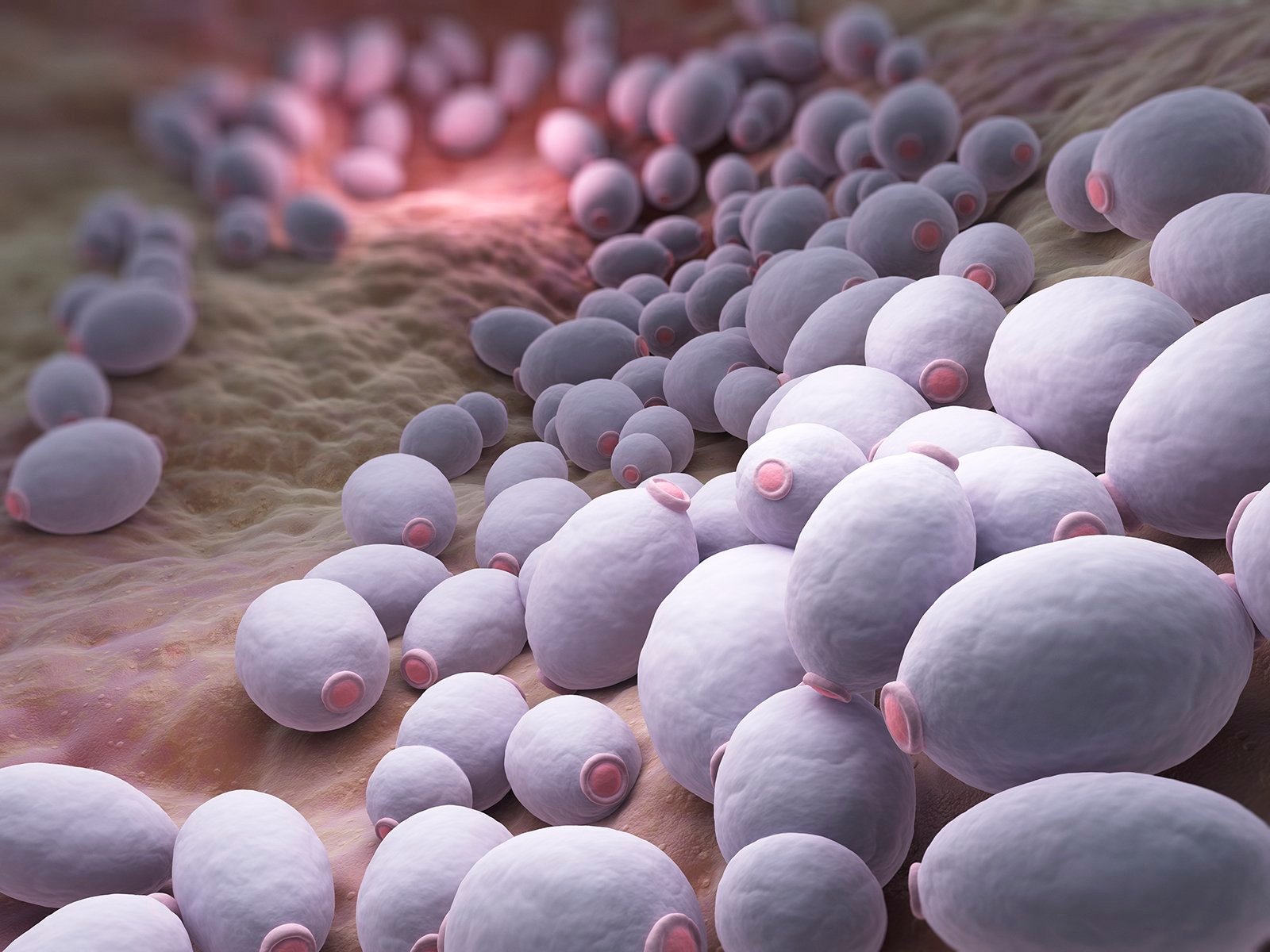
As a functional endocrinologist, I cannot tell you how many times I’ve sat across from patients who’ve been dismissed, gaslit, or told their debilitating symptoms are “just stress” or “all in their head.” When we dig deeper, a frequent culprit shows up that conventional medicine rarely talks about: yeast and fungal overgrowth, most often Candida albicans.
Candida is a normal resident of the human body. You’ll find it in the gut, mouth, and on the skin. In balance, it’s harmless—even helpful. But under the right (or wrong) conditions—think high stress, repeated antibiotics, birth control pills, steroids, nutrient deficiencies, or diets overloaded with sugar—Candida grows out of control. When it does, it hijacks your microbiome, disrupts digestion, burdens your liver, and creates toxic byproducts that drive inflammation from your gut to your brain (Peters et al., 2012).
The reality? This is not just a gut problem. It’s a whole-body problem.
How Candida Overgrowth Shows Up in Real Life
Candida is a shapeshifter. It rarely looks the same from patient to patient. Some of the most common signs I see in clinic include:
- Digestive chaos: bloating, gas, diarrhea, constipation, or IBS-like flares that never seem to resolve.
- Sugar and carb cravings: yeast thrives on glucose, and it makes you crave what feeds it.
- Recurrent vaginal yeast infections or fungal skin/nail issues: especially if they keep coming back despite treatment.
- Brain fog and mood struggles: patients often say they “feel drunk” after meals or can’t think clearly.
- Unrelenting fatigue: no matter how much sleep or caffeine, they’re dragging.
- Hormonal imbalance: Candida can worsen PMS, PCOS, thyroid symptoms, and even contribute to infertility (Cleveland Clinic, 2021).
- Skin flare-ups: eczema, acne, rashes, or hives that topical creams can’t fix.
What makes this tricky is that Candida can mimic dozens of other conditions—IBS, anxiety, depression, even autoimmune flares. Many of my patients spend years bouncing from doctor to doctor before someone finally connects the dots.
Why Functional Testing Changes Everything
If you go the conventional route, odds are no one is checking you for yeast overgrowth. Basic bloodwork won’t tell you much.
In functional medicine, we use advanced testing that looks beneath the surface, such as:
- Comprehensive stool analysis: identifies yeast species, beneficial bacteria, and inflammation markers.
- Urine organic acids testing: reveals yeast metabolites like arabinose that indicate systemic Candida activity.
- Blood markers (when warranted): including antibodies or immune markers that show your body is actively fighting fungal overgrowth.
This level of testing matters because it doesn’t just say “Candida: yes or no.” It shows whether your gut microbiome is imbalanced, your detox pathways are congested, and your immune system is struggling. That’s what helps us design a personalized plan instead of throwing spaghetti at the wall with random supplements.
In my free Comprehensive New Patient Lab Interpretation Guide, you can see exactly which tests we run to help us get real answers.
The Modern Endocrine Approach to Healing Candida
Healing yeast overgrowth is not about nuking it with a pill and moving on. That’s the conventional trap—and why recurrence is so common. Instead, we use a stepwise, root-cause strategy that addresses the bigger picture. Here’s how we do it:
- Starve the yeast: We remove its favorite fuel—sugar, refined carbs, alcohol—while nourishing the gut with whole foods, healthy proteins, and anti-inflammatory fats. This is not about deprivation; it’s about liberation.
- Rebuild the microbiome: Strategic probiotics (yes, strain matters) and prebiotic fibers give good bacteria the upper hand so they can crowd out yeast.
- Target with antifungal support: Herbal and nutritional antifungals like caprylic acid, oregano, garlic, berberine, and sometimes prescription options are layered in. We rotate them to prevent resistance (Morales et al., 2019).
- Support detox and immunity: Candida produces acetaldehyde and other toxins that can overwhelm the liver. We optimize detox pathways with nutrients like glutathione, N-acetyl cysteine, and antioxidants while also supporting mitochondrial energy production.
- Prevent recurrence: Here’s the key that’s always overlooked—Candida is opportunistic. It comes back if the underlying terrain (stress, hormones, gut lining, diet) is still off. Long-term support is essential, not optional. You can get your free Candida Diet Guide here.
Final Thoughts
Candida overgrowth is not a fad diagnosis or a convenient scapegoat—it’s a legitimate clinical issue that can keep you stuck in cycles of digestive pain, fatigue, brain fog, skin problems, and hormonal chaos. When you rebalance your gut and address the root causes, patients don’t just feel a little better—they often feel like they’ve been given their life back.
If you’ve been struggling with symptoms that don’t add up, if you’ve been dismissed or told it’s “just stress,” it may be time to dig deeper. At Modern Endocrine, this is what we do best—identify hidden drivers of dysfunction and create clear, actionable plans that restore balance and health.
👉 Ready to get answers? Schedule your consultation today and start reclaiming your energy, clarity, and confidence.
References
Cleveland Clinic. (2021). Candida overgrowth: Causes, symptoms, and treatments. Retrieved from https://my.clevelandclinic.org/
Morales, D. K., Grahl, N., Okegbe, C., Dietrich, L. E., Jacobs, N. J., & Hogan, D. A. (2019). Control of Candida albicans metabolism and biofilm formation by Pseudomonas aeruginosa phenazines. mBio, 4(1), e00526-12. https://doi.org/10.1128/mBio.00526-12
Peters, B. M., Yano, J., Noverr, M. C., & Fidel Jr, P. L. (2012). Candida vaginitis: When opportunism knocks, the host responds. PLoS Pathogens, 8(4), e1002811. https://doi.org/10.1371/journal.ppat.1002811