
Are We Treating Menopause All Wrong? – The Shocking HRT Fix That Preserves Muscle & Metabolism
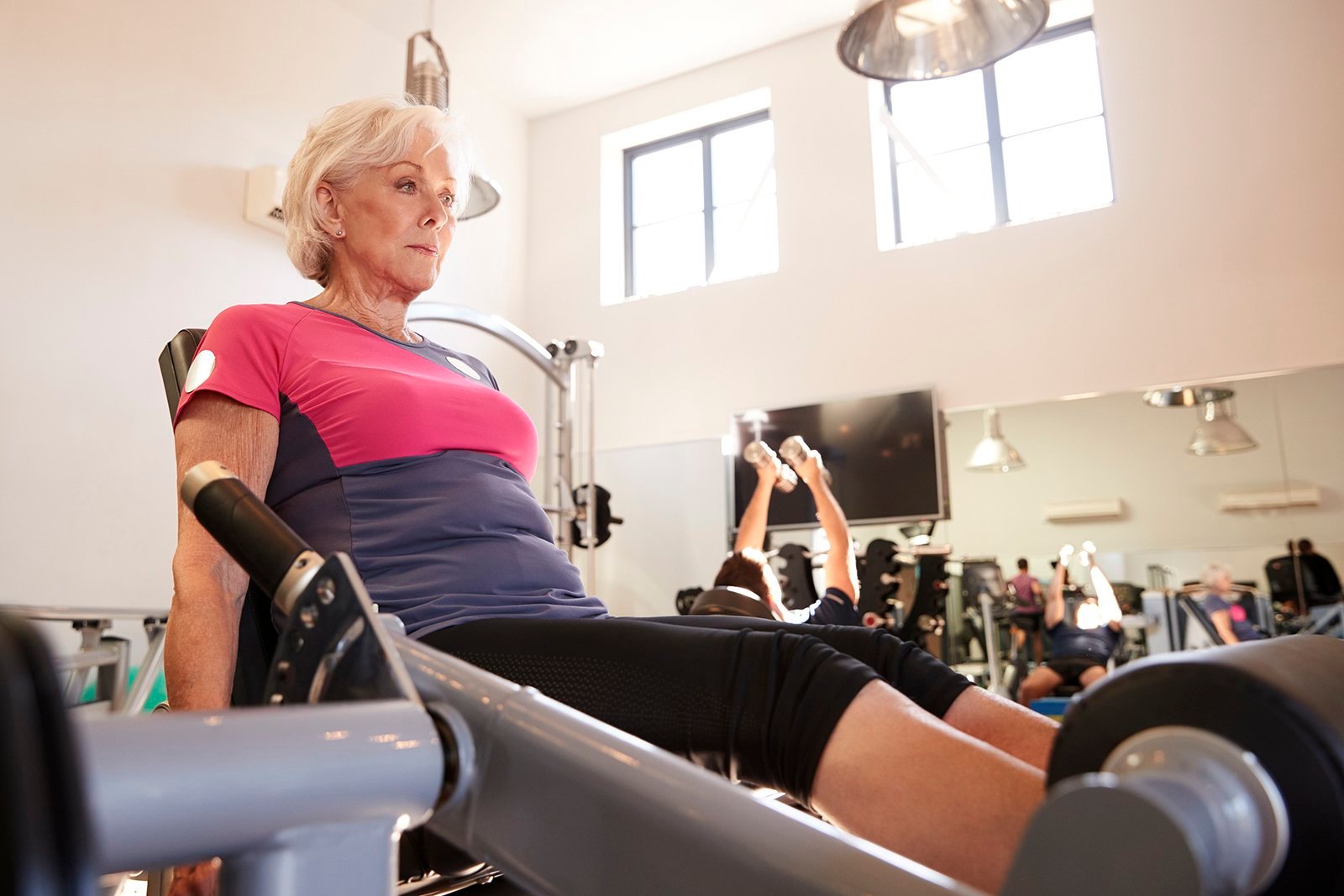
In today’s episode of Hormones, Metabolism, and You, Dr. Cassie Smith sits down with Dr. Jordan Robertson, a physician and educator who has dedicated her career to bridging the gap between conventional and functional medicine. Dr. Robertson shares her insights on the critical issues facing clinicians, particularly in the realm of hormone replacement therapy (HRT), muscle mass maintenance, and the evolving role of functional medicine in traditional care.
Cassie info and links:
Check out the website
Follow Cassie on Instagram
Follow Cassie on Facebook
Follow Cassie on YouTube
Follow Cassie on TikTok
Guest info and links:
About Dr. Jordan Robertson:
Jordan Robertson is on a mission to elevate integrative and naturopathic medicine to the standards of care that conventional medicine practices while simultaneously solving the unpaid research-labour crisis of Naturopathic Doctors.
Blog/Transcription:
0:03 welcome back to this week’s episode of Hormones Metabolism and You i’m your host Dr cassie Smith i’m a functional
0:09 endocrinologist based out of Oklahoma City this week I’m going to do something a little different with you guys it’s
0:15 going to relate back to hormones but this week I have Dr jordan Robertson she
0:20 is a physician who teaches physicians looks at research and asks questions
0:28 about standards of care welcome back to this week’s episode of Back to the Basics thank you for joining me today
0:35 today we’re going to do something a little different but we’re going to kind of bring it back and talk about hormones
0:40 i have Dr robertson and she um kind of specializes in teaching physicians and
0:48 is really good with teaching people knowledgeable things and just kind of going back and looking at like gaps and
0:53 standards of care and she does it from a functional medicine standpoint which is nice because a lot of functional medicine providers will tell you it’s
1:00 really hard to go and find information a lot of the information that physicians use are in things like up-to-date where
1:07 they look at traditional medicine type stuff but not necessarily functional medicine and so she has created a
1:13 platform to help providers with this and so she’s going to kind of talk to us about some of the gaps that we have in
1:19 traditional medicine and standards of care and how we can kind of extrapolate that into the functional medicine space
1:25 with hormones which I think will be very beneficial and then we might also bring in some GLP-1 we’ll talk about muscle
1:31 mass and some different things that you guys like so she’s on a mission to elevate integrative and naturopathic
1:36 medicine to the standards of care that conventional medicine practices while simultaneously involving the unpaid
1:42 research labor crisis and naturopathic doctors with a 15-year career in
1:47 facilitation research inquiry and critical appraisal at Mallister University Jordan has taught thousands
1:53 of students how to be better communicators work in teams and research nutrition integrative care medicine and
2:00 space medicine that last one while co-f facilitating a course with NASA which is pretty cool dr jordan is the founder of
2:06 the confident clinician a database clinical decision-making tool and home for over 700 full-time members 60
2:14 fellows in her leadership program and over 5,000 clinical subscribers to her free integrative magazine The Stacks and
2:21 we’ll make sure that we link all this if you’re a provider that listens she she’s known for helping clinicians see their
2:27 own potential inspiring curiosity vulnerability and mind changing and for
2:32 giving physicians the push they need to become the best at what they do as a retired ND she’s paving the way for
2:39 clinicians to love their work career and even critical appraisal of research so
2:44 thank you for joining me on this episode oh my gosh thanks for having me yeah I’m excited to have uh I’m excited to chat
2:50 about all of these things it’s funny when we’re making that big long list of things we could talk about um it’s really like the hormonal discussion is
2:58 really endless so hopefully we can cover a lot of ground uh today yeah so I like
3:03 to kind of start by having you tell people like I guess where did you start in medicine how did you progress through
3:10 medicine where are you now like what do you do today just so that people know kind of you know who’s talking to them
3:16 for sure yeah and it’s funny listening to you describe some of those pieces cuz I feel like you did a great job of
3:21 trying to make what I call critical appraisal sound interesting so my background and skill set is really in
3:28 critical appraisal which is kind of the analysis of research it’s almost the
3:34 research of research when I say this people understand it a little better i say you know not every study that is
3:41 published belongs in medicine right not every study that gets published should
3:47 change the way we practice and what critical appraisal does is helps us
3:53 contextualize research as it’s published to understand what should change the way
3:59 that we practice medicine and what do we like kind of put on a shelf and say “Okay that’s interesting you know we
4:05 need more evidence or more information or that study wasn’t done very well
4:10 we’re just going to put that one in the trash because it maybe shouldn’t change the way we think about anything that’s
4:15 what a critical appraisal job actually is is helping us take research and decide what belongs in practice so my
4:24 background started there that’s my uh my training from a undergraduate perspective that was at McMaster
4:30 University in Hamilton and I when I after I finished my ND program I actually went back to McMaster and
4:37 taught for 15 years um and this is where people say “You don’t look old enough to have been a professor.” For 15 years I
4:43 taught uh research in integrative medicine and research uh in clinical nutrition so helping undergraduate
4:49 students um premed students understand how to make decisions in nutrition and
4:55 integrative medicine using literature so that was my background um I then realized that my own profession really
5:03 lacked the support that needed to be able to make these great decisions in practice every day if you’re a
5:10 conventionally trained doctor you have endless resources if we you know if the
5:15 antibiotic we’re giving for UTI changes it doesn’t take very long for those updates to be made and for every doctor
5:22 to know right we have systems in place and we have standards of care in integrative medicine we don’t have that
5:28 like repository of information or standards so each individual practitioner is left to find that
5:35 information on their own which means that they have all this work to do outside of seeing patients but it also
5:41 means that we’re having physicians make those decisions one by one rather than us having a more consensus-based
5:48 approach to how we treat things and I my deep desire is that we start to develop
5:53 a consensus on how we prescribe in functional medicine and integrative medicine so that practitioners can just
6:00 show up and do amazing things with their patients from a coaching and behavior change perspective but maybe the answer
6:06 of all the things that we do starts to sound more similar i it frustrates me or it makes me mad when patients could go
6:12 to two different functional doctors and get two different answers when one of them is well researched and the other
6:18 one isn’t uh that has always frustrated me so I wanted doctors to have access to
6:23 the same level of resource that we have in conventional care yeah I think that’s a really good point you know I I talked
6:29 to a lot of people on this podcast and I think one of the hang-ups with traditional medicine and what doctors
6:36 will tell you is like a lot of them are scared because when we’re in school it’s
6:41 very like black and white right it’s like you have this then you must have like they they like to put people in
6:46 boxes and compartmentalize things and when you get into the real world that’s not the real world and so that’s one way
6:52 that we set doctors up for failure is that in the real world people don’t present with ABC and you do AB and C and
6:58 they get better but the other way we set doctors up for failure is you know if they actually do want to use their brain
7:05 and think outside the box and look at somebody like from a holistic standpoint it’s like they’re scared like whenever I
7:11 kind of got into functional medicine right it’s like you put your toe into like this big vast ocean and it’s like
7:17 what am I doing um and and so having a resource for providers and for patients
7:22 as well where they can go to and say you know is this wellstudied what does the
7:28 literature say i think is would be very beneficial and might help change the trajectory of medicine because you have
7:34 all these people that are just most people that go into medicine do it to help people i truly believe in my heart
7:41 there are not a bunch of people out there being doctors trying to be you know facitious and and trying to not
7:47 make people better the problem is they do what they’re taught sometimes it’s not always the standard of care or the
7:52 best and then when again you don’t fit in that box they just don’t know what to do the hypocratic oath is first do no
7:59 harm right and so some people are paralyzed they have this like analysis paralysis of doing anything and I think
8:04 that’s one of the biggest problems that we have in healthcare currently so I think this is a great way to fix that
8:10 right yeah I totally agree and it’s interesting we’ve a lot of the systems we have in conventional medicine are
8:16 really uh they kind of have a stronghold on the way we deliver medicine right we
8:21 get frustrated with well I went in with this and I left with a piece of paper right but your interaction with your
8:27 doctor was maybe seven or nine minutes and all you can get in that time is a prescription i I hope that we see as
8:35 things evolve that provider time and provider coaching and behavior change i
8:40 want integrative practitioners to be like behavior change specialists because you know that’s really the missing piece
8:47 in medicine is the provider time and then how providers help individuals
8:53 actually execute the plan because even if we just give them a prescription and even if that is the right answer the
8:59 vast majority of them never fill it and then they don’t take it properly and then they don’t finish it so we even in
9:04 that very conventionally minded system we have a gap in execution because we
9:10 don’t focus on behavior change and support and time so you know I I think this is there’s so much opportunity here
9:16 for us to help clinicians understand what their role is in diagnostics
9:21 delivery of care execution of care um and and build a much deeper relationship
9:27 between clinicians and patients when we focus on things from that more functional medicine approach because it
9:33 honors all of the parts about medicine that we’re currently not able to honor in the conventional system yeah and I
9:40 think also having a good resource or basis of studies to to give patients cuz
9:45 you know I have patients who come to me all the time and um you know I don’t force them to come i don’t do a lot of
9:51 advertising you know they come to me um and they’ll say “Well you know I they have a meeting with me i tell them “This
9:57 is what I want to do let’s focus on your gut let’s try to do things to get you off those SSRIs you know I don’t want
10:02 you taking PPIs let’s fix your gut i really don’t want you taking that statin because you don’t need it you’ve never
10:08 had a heart attack and you know you’ve already got a thyroid issue.” And so I’ll give them these list of things that like this is my goal for you after we
10:16 discuss nutrition and we discuss movement and we discuss sleep and we discuss stress and we discuss sunlight
10:21 and then they come back 2 months later and they’re like “Well I saw my primary care doctor and they said that
10:27 everything that you said is crazy you know crazy and that all the literature says otherwise.” And I’m like “Well
10:33 maybe the literature that they read from 20 years ago and there is literature out there to support what I’m saying right
10:39 there’s literature to show that statins actually cause breast cancer there’s literature to show that statins cause thyroid issues and glucose issues and
10:46 there’s literature to tell you that if you actually looked at the literature from 20 years ago statins yes they do
10:51 help in in secondary prevention but not primary prevention and there’s not a single study in women ever with statins
10:58 and so it’s just like there’s this huge disconnect right in what the study actually says and what it doesn’t say
11:05 but then also in just this like holistic approach as well a lot of these studies like statin studies they’re looking at
11:11 one thing right one outcome but they’re not looking at that big picture which is like what is that statin doing to your
11:17 thyroid what is it doing to your bone health what is it doing to your insulin they’re focusing on one thing and so I
11:22 think that’s part of the issue is like we need better information like this for patients so that they can look at it and
11:28 doctors as well right i truly in my heart don’t think that people put you know doctors put people on medications
11:34 to to harm them right they’re doing what they think is right but the problem is like you said a lot of these studies are
11:40 made for maybe one reason and we don’t look at somebody as a whole and so that’s where I think we have to change
11:46 things for people to get better yeah and I I it’s interesting that you brought that that Staten example because I’m
11:52 very pro-statin so I think this is a really great piece to dialogue on because it it showcases how difficult
11:57 clinical decisionm actually is and how many things actually have to go into that you know we’ll say that proverbial
12:04 uh ven diagram of how we make a decision for patients i think where we sometimes
12:10 can fall into a trap around clinical decision-m is being able to as doctors
12:15 contextualize what uh a benefit is and what a risk is when it comes to uh
12:21 adding an intervention and what my goal is or what I would like for clinicians is for them to have a resource that’s
12:27 helped with that where we’re able to you know saying all things equal right how
12:32 do we make a good decision for patient that actually meets what their needs are you know if we want to use that statin
12:39 example you know we have really great literature that um you know lowering LDL
12:45 we’ll say by any means right whether it’s a statin or whether it’s through um you know nutrition does decrease the
12:50 risk of cardiovascular disease and death from cardiovascular disease by like a relatively large magnitude where we what
12:57 we want for clinicians is for them to know that and know those numbers and then for us to be able to contextualize
13:03 that against those potential risks so if we take the number one health and and uh
13:10 lifespan risk factor for North Americans which is cardiovascular disease and say we can low we can change that by 25%
13:17 with an intervention and there is a.1% chance that it will you know uh cause
13:24 breast cancer i don’t know the statistics on that to be perfectly honest i think it’s relatively low how do we help patients make that decision
13:30 right because those are just numbers it’s actually not really even the physician’s job to decide what if numbers are important it’s actually the
13:37 patient patient’s job to decide that so if we say well we can lower your risk of a heart attack by x% and the risk is x%
13:45 do either of those numbers matter to you and a clinical decision is that you’re going to have one patient whose best
13:51 friend died of breast cancer and she’s like I will not do anything even if it increases my risk by a micron that’s a
13:57 personal decision that she’s trying to make with that data whereas from a from a doctor perspective if we were going to
14:03 bet on a horse and we said “Well this horse has a guaranteed chance of winning and this horse has never won a race in
14:08 their life,” we would pick the winning horse right so it’s it’s clinical
14:13 decisions are very very challenging but what where we’ve struggled in integrative medicine is we’ve never had
14:19 a spot that was able to lay everything out as equal so if you went to a
14:24 conference that was very pro-IV therapy you’d leave thinking it solved every problem and then if you went to a
14:31 pharmaceutical conference you would leave thinking that solved every problem we’ve never had a really great resource
14:36 that said “Okay everything being equal what do we pick?” Right and that’s really what I want for clinicians is
14:43 that they feel like it’s a menu of options that are available to patients and that we deeply understand the
14:50 statistics on whether or not we choose one over another or how we would choose one over another but it’s not easy right
14:56 because a patient who loves running is going to get a different prescription than a patient who loves yoga and that
15:02 is what when we need to empower clinicians to be able to take an unbiased approach to be able to support
15:08 their patients where they’re at yeah and to your point you know with the statins so if your LDL is extremely high that’s
15:17 one thing if it’s marginally high and your lipoprotein A is low and you know you do exercise or you could work on
15:23 your diet you already have thyroid issues i mean so yes to your point it’s like helping people figure out the
15:29 literature but then also being able to figure out you know what side effects
15:34 those things could have and then how they could impact that patient as well does that make sense totally yeah and
15:41 that’s where we love like that risk at the patient right to make sure that and I and probably I mean and this is why we
15:47 can’t get stats in a vending machine right is that you hopefully are having a great conversation with someone before you get any prescription um but it
15:54 should be individualized based on your personal risk score um and that’s why we
15:59 want clinicians to be able to have that info in front of them so they can help you make a good decision i would say we
16:04 let’s just bet on the winning horse but if we don’t know which one’s going to win then it really is a shot in the dark
16:11 and that’s we want clinicians to have access to the the knowledge that helps them know which horse is more likely to
16:17 win this race yeah that’s true and then also being able to find reasonable
16:23 studies about side effects um different things like that as well because I also
16:29 think sometimes with studies you know they’ll say oh well here are some common side effects but then maybe after the
16:35 studies published or you’ve seen as a clinician 2,000 people you know on medications knowing that okay well this
16:42 medication can also cause this or you know knowing how your gut affects hormones and just different things like
16:48 that i think being able to go and look at some of these things that a lot of people don’t study right so like
16:53 traditional medicine doesn’t study you know how does your gut how does your microbiome affected by hormones or how
16:59 is your microbiome affected by dyes or how is your microbiome affected by processed foods going being able to just
17:06 go somewhere and find actual good studies about this and information about this I think is very helpful too because
17:12 a lot of in traditional medicine we don’t learn anything about that right so like when I was in medical school I
17:17 learned nothing about nutrition like there was no nutrition class zero which is really sad you know because like to
17:23 your point and I tell my patients this if you’ve come to me and you haven’t even started to dive into nutrition and
17:30 exercise and sunlight and stress then you’re kind of in sleep you’re sort of wasting your money coming to me right
17:36 cuz we got to get some of those like foundational basic things down before we start trying to throw all this other
17:42 stuff at you so I think just having all that available for providers is very
17:48 would be very helpful because that’s not something they teach us in school 100% yeah nutrition is such a great example
17:53 because it’s such a complicated um thing to study even and so you know it’s it’s
17:59 hard to imagine that we like release doctors into the world with no knowledge on a particular area in health although
18:04 that is what happens um also not the skills to read about it like nutrition
18:10 requires a very unique way of reading about it in in research and when we
18:15 release doctors into the world without that knowledge they’ll never get caught up right they don’t know why we need to
18:22 lean on observational research and nutrition occasionally versus interventional research where when we
18:28 study pharmaceuticals we can give everybody a drug and they didn’t they weren’t taking the drug before the study
18:33 started everybody’s eating food so it’s harder to study food and nutrition
18:38 because the person’s baseline nutrition impacts the research the person’s uh
18:44 behavior tendencies impact the research but yet doctors don’t graduate with that inherent ability to read nutritional
18:51 research and so it can be quite frustrating for patients because they can feel like nutrition knowledge that
18:58 as it’s being published isn’t making it into medicine and that’s actually true right we don’t we don’t have a good way
19:04 of nutrition making it into medical practices besides doctors taking a personal interest in it and and spending
19:11 time on it so yeah it’s definitely it’s definitely a challenge so speaking of
19:16 nutrition then talk to me about this so you obviously are like a guru of nutritional literature and research and
19:24 so I would say one of the biggest things that bothers me on social media and whenever I think about nutrition and
19:30 what patients come to me with are these like extremist um people who say like you know this is
19:38 the only way right keto is the only way you know carnivore is the only way plant
19:43 is the only way um so talk to me about that are any of these studies that
19:49 people quote valid like what are your thoughts on keto versus carnivore versus
19:54 plant-based versus Mediterranean like what does the literature actually say mhm yeah i joke I mean carnivore is the
20:02 never diet right like I’m always wonder I’m like can I see these people’s skin in 5 years when they haven’t eaten any
20:07 antioxidants this is what I would like to know um so where we get hung up and this is you
20:15 know this is kind of across the board with integrative medicine is we quite often will cite biological plausibility
20:21 as the uh basis for why we think something is true and what we mean by
20:26 biological plausibility where it’s like well on paper this might happen and you’ll get a lot of you know comments
20:33 like well this has fructose in it and fructose raises X Y and Z and X Y and Z
20:39 leads to macular degeneration but what we don’t have is any evidence that people eating those foods actually
20:46 causes macular degeneration we’ve narrowed our understanding of human beings to like arrows and potential and
20:53 that’s where there’s this often a big gap where we’ll say something like we’ll villainize something like uh a
20:59 particular molecule that’s in plants like lectins or something and then say well because biochemically this
21:06 particular ingredient has the potential to cause inflammation therefore we
21:12 should not eat vegetables so that’s like camp A when we look at the actual literature like the people who live the
21:18 longest eat the most vegetables the people who have the best cardiovascular outcomes eat vegetables the people who live the longest with cancer have veget
21:24 eat vegetables like pick a condition right when we look at the actual human beings and the irony is is in in
21:32 evidence-based or in integrative medicine we’ll say treat the whole person and yet we’ve decreased our
21:39 understanding of nutrition down to a couple of arrows when we have all of this literature over here about what
21:45 happens when we look at the whole person if we feed the whole person the the Mediterranean diet they live longer but
21:52 for some reason over here we’ve decided this one arrow on a piece of paper
21:57 should dictate how humans eat so I think that those extremist diets have really
22:03 they manipulate the conversation around uh evidence to meet their narrative um I
22:10 don’t think they’re going into reading research and this is where like as a researcher every single time you read a
22:15 paper you have to look at your own bias you have to be like am I reading this in a tone right you know when you get an email from a friend and you think that
22:22 friend’s mad at you immediately read the email like they’re mad right and you’re like I knew it i knew she was going to
22:28 cancel no like right you’re reading it with a lens because you already think she’s mad when we read studies we have
22:35 to be so careful that we’re not reading it in that in that frame of mind and yet when we look at the real promoters of
22:43 these extremist diets they like conveniently will ignore thousands of
22:48 studies that say the opposite and then cherrypick one paper and one arrow and one molecule and use that to build their
22:55 entire argument so and obviously I have quite a bit to say about this but um but
23:01 that’s where the big problems are with those extremist diets now what will happen is you’ll say “But my friend
23:06 Betsy right but my friend so and so she ate carnivore and she feels the best she’s ever felt.” We’ve really like
23:14 missed the boat and we’re looking at like how one human being feels after eating one diet for two weeks when the
23:20 we would never we would never read a drug trial and accept that right if we’re like gave it to one person for two
23:26 weeks and they felt amazing we’d be like I’d like to see more research and yet when we talk about nutrition the person
23:33 in the cubicle beside us starts eating something weird for lunch and we’re like maybe I should do that
23:38 so the body of literature is so pro- Mediterranean that it’s really hard not to ignore at this point yeah I would
23:45 agree with that and I I’m a very I’ve been very open about this and I get a lot of hate i am not a a like a very
23:52 extremist when it comes to diets i think that that is ridiculous i you know obvious well I I’m extremist with sugar
23:59 and processed foods like I don’t think that you need sugar or processed foods to live um your body can make fructose
24:05 and sugar through things like fruits and natural things that were put on this planet but in general the people who are
24:11 toing this are if you look at them not to gen you know not to not to be mean but it’s usually these people that are
24:17 like probably have some body dysmorphia anyways right like these like 0% body
24:22 fat um but it’s just it doesn’t make sense right like yes maybe you lose a lot of weight yes it could help you lose
24:29 some weight yeah but again it’s not like I have patients who come to me and they need to lose 100 pounds and they say I
24:35 want to go keto do are you okay with me going keto i’m always going to meet you where you are so my answer is going to be if you feel like keto is what you
24:42 need to do to lose some of this weight then yes I would rather you do a keto diet and lose 100 pounds and then we put
24:47 you on a sustainable lifetime diet where you do get nutrients and the things that you need like the Mediterranean diet right so I’m not saying never do I think
24:54 that this is usable but I do think that staying on a restrictive diet like that
24:59 no matter what it is as long as it’s not well balanced for a very prolonged period of time is a bad idea like and I
25:05 think that literature supports that and to your point like yes I think that you need to eat vegetables you need to eat
25:11 fruits you need to eat some whole grains you you need to eat meat you need to eat
25:16 um fish like and so it’s just I think that is interesting and to your point I have people who say that to me all the
25:22 time like I saw a lady yesterday who said “Well I’m 30 lbs overweight and my friend hasn’t eaten a single carb in 3
25:28 years and she feels the best she’s ever felt so that’s what I’m going to do.” And then as she kept talking she was
25:34 telling me “But my friend also complains that she has to eat less and less every year or she gains weight and she also
25:39 has headaches every now and then and her hair started falling out but she looks amazing.” Like okay well that’s because
25:45 she’s highly malnourished because she’s eating 800 calories a day and it’s all meat like she needs antioxidants right
25:52 and so yes to your point I think that just sometimes literature can be difficult to interpret but you’re saying
25:58 that you still feel like from the massive body of literature the Mediterranean diet is still the best way to go totally and what I would love to
26:05 see is and and it’s coming is the discussion around I’m going to say like culturally adapted Mediterranean diets
26:12 and so we know when people eat that that uh theme of the Mediterranean diet but
26:18 perhaps keep to their cultural roots they they have the same outcomes or we think they’re having the same outcomes
26:23 so if you don’t identify as someone who’s going to use olives or you know
26:28 you don’t identify as as that being your dominant cultural diet to eat Mediterranean but you get to the the
26:35 nuts and bolts of it which is healthy oils uh fruits and vegetables whole grains right like uh low saturated fat
26:43 low-fat dairy like if you can get to the the bones of the med diet and do it in a
26:48 cuisine that meets your culture we know that your compliance will be better right and really when we’re talking
26:55 about nutrition we’re talking about compliance over a long window of time so even if some you know the keto diet
27:01 helps someone get into calorie restriction which is how it works for weight loss there’s no other magical way
27:07 that it’s helping it’s is that the lifetime nutrition plan for this person is that a long-term sustainable plan for
27:14 this person because you could get the same outcome with a different diet uh
27:19 despite what people think you can get the same outcome with a different diet and maybe that other diet actually is
27:24 easier for you or is closer to your cultural cuisine that you could eat with consistency that’s actually going to
27:31 have the better outcomes long term so it’s it’s interesting but we we often lose that forest for the trees
27:36 discussion around nutrition because we’ve distilled it down to a chemical reaction that we think is bad but when
27:42 we put that same diet in a big human it’s nothing’s nothing happens right um and so we have to be quite mindful of
27:49 how we think about that kind of literature and the way that we uh you know talk about some of those biological
27:55 processes because even if autoagi right or whatever it is that we’re after from
28:00 a biochemical perspective is happening in a test tube we don’t have a heck of a lot of evidence that that’s happening in a human being so we have to be quite
28:07 mindful of how emphatic we are about nutrition change when we don’t have clinical outcomes to support it yeah
28:14 yeah and I think nutrition is hard too because there’s so many things with nutrition that is just so personal right
28:19 like people use food differently like some people it’s a very big staple to like their their family their culture
28:27 you know some people don’t care and so it’s just it’s different like people look at food so differently like my
28:33 husband and I it’s very interesting when we got married I realized I’ve always just eaten to like have fuel right like
28:40 that’s just I don’t know i I was busy i was in med school i was like I never really thought about food other than like well I needed to fuel my body i
28:47 needed to think i needed to be able to do what I need to do right i never I I I guess I wasn’t a part of a family where
28:53 we like sat and had these big meals and like made a big deal about it i meet my husband and marry him and it’s like he
28:59 wants to have dinner every night and sit and talk and it’s like this whole ritual and it’s this whole thing and I’m just
29:04 like what what what is that you know what I mean just people it kind of opened my eyes to the fact that like he
29:10 literally he doesn’t necessarily live to eat but like that’s a big thing for him he wants to sit down and have a meal
29:16 once a day and have some community and like talk about it and it’s just it it’s
29:21 interesting so everyone looks at nutrition differently too and so you know if you took that away from him he
29:27 would not do well right um so it’s so if you gave somebody like that a diet where
29:33 it’s like this is all that you’re going to eat and it’s very small meals and you have to eat at these certain times and
29:38 you know it’s just it’s like a quick thing that’s not going to be sustainable for somebody who was used to this like cultural family once a day like big meal
29:46 right so then you just have to figure out how to fit that into their lifestyle and I think that’s a problem with a lot
29:51 of the diets and things out there is like you want to put everyone in these boxes just like traditional medicine but
29:56 it doesn’t work like that with everyone right yeah such a good point yeah so
30:02 tell me about protein and then we’ll transition from diet but a lot of people ask about the actual literature on
30:08 protein and when I say protein I want to know how much you really should eat to sustain and keep muscle mass especially
30:14 as women get older but then also is it really okay to get 100% of your protein from plant and none of it from animal or
30:21 vice versa that’s a great question and I think be like to preface that conversation I will say that the vast
30:28 majority of people populationwise don’t meet their protein targets so sometimes
30:34 when we start to jump in uh in this like sort of functional medicine or integrative medicine space and talk about you know particular dietary needs
30:41 or what have you know the someone listening may be on the upper echelon of protein intake already right and they’re
30:48 trying to figure out how to optimize their nutrition versus this first part of the conversation is like from a basic
30:55 health perspective most people on average are not hitting that that general target so when I say these
31:00 numbers don’t let that land the wrong way for those people who are listening who are like I already do that right
31:06 because I’m not talking to you i’m talking to everybody else for a second but you know that in general we need a
31:13 more than 1.2 g per kilo per day and what we’re our goals are with that
31:19 amount is to prevent age related muscle loss or sarcopenia we know that and
31:26 there’s great like largecale trials now looking at the the different quartortiles of protein intake so are
31:32 you below 08 are you 08 to 1.2 are you 1.2 or above i guess those are per
31:38 trials not quiles um the people in the 1.2 category so if you eat more than 1.2
31:44 they have less age related muscle loss they have much they fare much better from a lean tissue perspective than
31:50 people below that number now the curiosity and here’s where the art of uh practice comes in is most people have a
31:57 lot of uh dietary variability from day to day and so when we pick the bareass
32:02 minimum as the number for the majority of people they’re going to spend some days above that number and some days
32:08 below that number i I would say from a clinical practice perspective we might want to hedge closer towards 1.5 grams
32:16 per kilo per day because then if people have this like variation and daytoday and I didn’t have any meat today and oh
32:22 I forgot to have my smoothie tomorrow kind of thing it it actually allows for interday variability in protein intake
32:28 and yet we still hit this average of 1.2 g per day there are pockets of people
32:34 that benefit from more so people that are highintensity athletes and who do a lot of endurance-based training may
32:41 benefit from a higher number because it’s harder to fuel that person uh they
32:46 generally need more focused fueling it they also could burn some of their uh tissue through highintensity long
32:53 endurance exercise and so do we get up to 1.7 g per kilo in that population
32:58 maybe right but in general when we’re talking populationwide we want about 1.2
33:03 2 to 1.7 g per kilo per day if we’re you eat more than that you just have to
33:09 certainly ask yourself the question it’s at what cost because when we get up there it’s taking up space in your diet
33:16 that maybe other food now is missing so we start to lose some of the benefits
33:21 above a certain number where more is not better and now protein’s taking up a lot
33:26 of space in your diet and maybe now you’re not eating an orange because you’re eating more protein that’s where
33:33 the curiosity of that sort of replacement effect comes in in nutrition where if we really like push pedal to
33:39 the metal on one nutrient you are uh removing other things from the diet uh
33:45 and so we have to be curious about that that above that 1.7 g we that maybe at a
33:52 cost right to other nutrients that we still want you to have in your diet yeah and so for listeners when she says 1.2 2
33:59 g per kg i did some math that’s about 0.55 gram per pound so it’s about a
34:06 little over half your body weight in pounds and then 1.5 kgs is about 68 so
34:12 about.7 so if you’re looking to like optimize.7 g per pound because most of
34:18 my listeners are probably going to be pounds people um so that’s not quite the whole one gram per pound that a lot of
34:26 people quote and I would say to your point and and this is usually ideal body
34:32 weight correct this is not current body weight or is it it’s ideal yeah so you
34:37 know I have a lot of people who who tell me this like when they’re trying to lose weight if I haveund and you know for
34:42 easy math a 200 lb woman and they’re wanting to lose weight and to be 150 lb
34:49 you know you’re looking at having them need to be having 100 110 g of protein to be optimal um if you try to push that
34:56 to 150 grams and make them have another 40 grams of protein a day they’re not going to be able to get their you know
35:03 their berries in or some of their carbs in and then a lot of times what women will do because this is what we do we’ll
35:08 eat our protein and we’ll eat our fats cuz we like them and we won’t get our carbs and if you aren’t getting an extra
35:15 60 or 70 carbs that you need a day for energy about two weeks into that weight loss program when you’re exercising your
35:21 body’s going to go “Nope I’m done i don’t have the energy to do this and so to your point when you’re eating extra
35:26 protein sometimes uh at the expenditure of good carbohydrates which is what
35:31 women do because again we’re in this bad mindset um then it you crash and burn
35:37 right yeah and it’s that sustainability piece though right like often when we just blindly tell people to increase
35:43 their protein they may inadvertently also increase their saturated fat because their their sources of protein
35:50 are high saturated fat uh and that’s that’s not just an endless uh you know
35:55 that’s not a goal so to your point and question about uh plant-based protein is that you know more and more we have
36:02 evidence to support that plant-based protein performs as well as meat-based proteins for maintaining muscle mass
36:08 which maybe 10 years ago we might have said something a little different which I this is one thing I love about research is we get to change our mind uh
36:14 freely we actually get quite rewarded for changing our mind in research is that that we do have great evidence that
36:21 uh you know soybased proteins etc do preserve muscle mass especially when they are paired with resistance training
36:28 and I think just to like back up one sec I want to make sure I don’t misspeak maintaining muscle mass has more to do
36:34 with resistance training than it does your protein intake we can actually out exercise your low protein diet a little
36:40 bit but the the absolute benefit is the the protein plus resistance training
36:46 that’s actually how we combat uh age related muscle loss not protein alone and if we just do protein alone and
36:52 nobody exercises with resistance they still lose their muscle mass uh maybe
36:58 not quite as quickly as if they didn’t eat any protein but they’re not combating that age- related loss just by
37:04 being protein sufficient you have to pair it with resistance training so when we look at soy or vegetarian based
37:12 proteins paired with exercise they perform just about as well as whey protein and so if that you know really
37:18 makes you happy to include more plant-based protein and I think we’ve got lots of good reasons to do that um
37:24 then we we now have more evidence that it is just as good for your muscles as
37:30 uh as animal-based protein which is music to my ears right like I would definitely 10 years ago have told
37:36 patients like if you have to choose choose animal-based protein now we can certainly be way more um uh free with
37:43 our choices from a protein perspective to to hit those numbers yeah cuz some people I will say you know they just
37:49 don’t digest protein as well is what they tell me and to your point like there are some really good uh I actually
37:55 prefer plant-based protein when I’m making shakes so there’s some good pea proteins there’s a lot of people using egg whites for protein pumpkin seeds i
38:03 have a protein I use with pumpkin seeds egg whites and pea protein it’s wonderful it’s so good and sometimes I
38:08 mix a little bit of like dairy free or like some Greek yogurt dairy free or I’ll do like a lactoseree Greek yogurt
38:15 with it it’s a wonderful source of protein you get like 30 grams of protein you’re so full but you don’t feel like
38:20 you know that bloated like when you eat a big burger or a big steak and so that’s actually what I eat a lot of
38:25 times before bed if I don’t so I’m a protein like fanatic my patients know this that’s the one thing I track is my
38:32 protein because when we get busy you know yesterday I’m sad to say this at 7:00 p.m last night I look at my phone i
38:38 had only had 53 gram of protein and I was like “This is a problem.” So then that’s whenever I have shakes like
38:43 before bed and it’s one of those things that you can have i had a huge plant protein shake last night before bed with
38:49 a little bit of Greek yogurt so I ended up having like almost 40 grams of protein about an hour before bed which I
38:54 don’t love to do but I wasn’t miserable because it doesn’t like set on your stomach the same at least for me you
39:00 know like it’ll still digest and like my rim sleep was fine my HRV wasn’t super high and so it gives people options
39:06 right totally yeah yeah and there’s certainly like I’m not an environmental expert i’ll be the first to say there’s
39:11 certainly a wider conversation about the environmental impacts of you know animal based protein versus vegetarian based
39:17 protein that I’m super open to uh watching right us understand that a little better i think having a variety
39:23 in protein sources is really great for like on all accounts so you mentioned that age related muscle mass loss I want
39:30 to talk to you about that too so age related muscle mass loss I think is a huge topic it’s an under um valued topic
39:38 and I think you you hit on some things so I think that we lose muscle as we age because we don’t resistant train enough
39:44 we don’t get enough protein and then I think there’s a hormonal component to it as well um would you agree with those
39:51 state that statement totally yeah we do know that we have lean t loss after menopause um and in that 4year window
39:58 around the last central period there does seem to be a more rapid loss of lean tissue um so that’s happening we
40:05 also our muscle cells change with age they become less you know they’re less
40:10 able to repair they are slower to repair the same amount of uh exercise maybe
40:16 causes more uh tissue uh trauma and it’s slower to repair we also will see that
40:22 like the impacts of obesity also influence muscle uh capability of like
40:27 regeneration and uh function so there’s that concept of sarcopenic obesity
40:33 meaning you’re overweight but under muscled um or have visceral atyposity or
40:38 weight gain and you’re under muscled that hormonal uh soup is really not very
40:44 positive for muscle mass um and we have what’s called a little bit of like protein resistance in as we age so our
40:51 we need a little bit more protein per pound of body weight as we get older to not have this like catabolic uh process
40:59 from happening it’s we’re less likely to build muscle tissue with age because our muscle cells are not as adept at growing
41:06 uh with age we can watch a 21-year-old man like eat grilled cheese and seem to grow muscle and then as women age it’s
41:13 like feels like things are kind of stacked against you um but it does take us some mindfulness around protein
41:19 intake exercise and then us being mindful of like that metabolic consequence of menopause and the impact
41:25 that um obesity has on muscle loss as well so talk to me about the gaps in
41:31 standards of care as far as like menopause and like hormones in general um what are some of the biggest ones you
41:38 see i mean you know patients are so confused about you know is estrogen really harmful should I be on estrogen
41:45 as a woman can I take testosterone i think there’s just so many gaps in
41:50 standard of care even between physicians you know right like you’ll have different physicians saying different things and I think unfortunately that
41:57 Gen X population you know a little bit older than I am those women that are
42:02 right now you know pmenopause and transitioning to menopause you guys have just gotten like the brunt of this
42:08 because of the WHI and and all of this and so I I feel like or maybe even a little bit older maybe the women that
42:14 are almost 60 now unfortunately and maybe into their you know 60s a lot of them were not allowed to
42:21 take hormones right everyone was scared of hormones and so I I feel like there’s a lot of gaps in in knowledge um and
42:29 just in standards of care as far as hormones go what are some of the like top three that you see yeah that’s I
42:35 mean that’s a huge question it’s funny because I was still thinking about the muscle loss piece and for me like the
42:41 some of those challenges in standard of care so what does standard of care mean right like let’s like if we back up for a second it’s like you know standard of
42:47 care is like if we delivered these uh rules to the population they would be a
42:53 net positive that’s what standard of care really is really means that at a public health level if we did these
43:00 things it would be net positive that’s why we have screening programs that’s why we have uh right like it’s net
43:06 positive if we put everybody through these rules on average everybody does better now we can certainly like even if
43:13 I just say that you can probably go “Yeah but like there’s got to be one person who’s not served by that right
43:18 there’s got to be one person who if we do step one to 10 they don’t get better or they only needed step one to three
43:24 and they’re better.” And like we don’t need to force them through the other steps we can see that like if we put a hundred people through a stem 10step
43:31 standard of care some of them don’t get better some of them need more time some of them need something different some of
43:38 them have a coexisting medical condition that made it harder for them to do the steps like we can see that but what
43:44 standard of care really is it’s like it’s helping the most amount of people have good and so generally they are
43:51 correct right where the challenges come in is when they’re not being delivered
43:57 right so for menopause the standard of care has been HRT it’s not like it just
44:02 arrived in the standard of care it has been the gold standard for certain aspects of menopausal care like hot
44:08 flashes for example it’s just that it wasn’t being done so one of our big challenges is when standard of care
44:14 don’t happen that’s a problem we also have a challenge is that standard of care don’t think about the practicality
44:21 of medicine being delivered so there was this really wicked study of studies it actually was a study of guidelines which
44:28 as a researcher like that’s my favorite kind of work it’s like when someone does a study on all the guidelines that’s
44:36 just music to my ears and what they learned is whether they looked at NAMS whether they looked at the nice
44:41 guidelines the guidelines were accurate but nowhere in the guidelines did they tell doctors how to do it right like
44:48 well when do you have this person back when do you ask them about their sleep how are we going to deliver this when you only have seven minutes there were
44:55 no instructions on the deliverability of the standard of care the standard of care was correct but the system that
45:03 we’re trying to deliver it in doesn’t have the capacity to do it and that’s where people end up frustrated cuz the
45:09 answer is the answer the standard of care is correct but they got 9 minutes with their doctor and their doctor never
45:16 said when to go back and they never got referred to a dietitian and they never even mentioned that they should do strength training and so the standard of
45:23 care said all those things it said “Give them HRT tell them to come back in six
45:28 weeks tell them to see someone to help them with their weightlifting.” The standard of care said that but the
45:34 delivery of it was impossible for the clinician because they had 7 minutes and no support so that’s a really important
45:41 piece is that the guidelines have been by and large pretty accurate over the last little while that the execution of
45:48 it has not happened very well because the system that we’re in medicine-wise was hoping you had strep throat and this
45:55 was a very easy answer but menopause is a very difficult answer it needs time it
46:02 needs behavior change it needs screening right it needs prevention and none of
46:09 that is wired into conventional care so now we have this very frustrated population saying “No one’s giving me
46:14 what I should get.” And it’s like well the standard of care was correct it’s that we didn’t have a system in place to
46:20 give it to you um so that’s one part right that sometimes we just don’t do it
46:26 because it’s not possible in our current setup and this is what drives people to see an integrative doctor is they’re
46:31 like “Can someone talk to me for an hour please?” Like that’s like the the thing they get the most benefit from is is
46:37 provider time even if that integrative doctor just literally follows the playbook of standard of care that
46:43 patient is so much better cared for because they got time the other side of it is is that because standard of care
46:48 is talking about the masses sometimes one person who’s going through that needs a different lens or we’ve learned
46:55 enough about preventative medicine that we need to intervene earlier or we need to take a slightly different approach
47:01 but it’s not written in stone in the standard of care sarcopedia is an awesome example the standard of care is
47:07 is if you don’t suspect muscle loss in your patient you don’t have to do anything but check again the next time
47:14 you see them so that’s the current standard of care for cyclopedia check and if you don’t think they have muscle
47:20 loss you don’t have to do anything see see them next time see them in a year whereas for functional medicine we would
47:27 say okay well at this moment I don’t think they have muscle loss but I better check on their exercise nutrition
47:33 hormones right we would take a very different approach even if the person was very well we
47:39 wouldn’t just watch and wait we wouldn’t say like “Check you later hopefully nothing happens between now and the next
47:44 time I see you.” We would actually do something and that’s a gap in the standard of care for circenia is
47:51 prevention prevention is nowhere in the discussion actually and so I’ve written my own version where I’m like “Yeah yeah
47:57 yeah the standard of care says like send them home.” In my opinion right we need to have a a really big conversation
48:04 about prevention because we can prevent this and because the next time you see them they will have muscle loss so why
48:10 wouldn’t we talk about protein today right so that’s the other side of standard of care is that there’s often
48:16 these uh in these points where the literature actually suggests something just a touch different um and following
48:23 the playbook doesn’t actually get us the best outcome it gives the most people benefit but it doesn’t give us the best
48:29 outcome and that’s where we would maybe have some room for improvement i like
48:35 that i you know you said the standard of care like I think that’s why functional
48:40 medicine is so validating and so important because standard of care is like you said you know you run all these
48:46 people through it and for the most part that may work but if you’re somebody who’s listening to this and you are
48:51 frustrated um then you probably do need this this different approach or this different lens or you know a different
48:58 way for it to be done and unfortunately even you know I did a fellowship so I did an extra two years of just diabetes
49:05 hormone metabolism thyroid right in that extra two years nobody sat me down gave
49:10 me a playbook and said “Here Cassie this is how you talk to somebody about nutrition this is how you talk to somebody about you know none of that.”
49:16 And that’s and that’s a very I think important point that I’ve never really thought about we train doctors you know
49:23 here’s a disease process here are the reasons it’s happening here are the ways to treat it but we never train them as
49:30 to h how do you have that discussion in this amount of time when do you have them come back how do you help them fix
49:35 their mindset and what do you do when that doesn’t work right when that just one thing that you’re supposed to do
49:41 doesn’t work what do you do and that’s where I think unfortunately pharmaceutical companies have come in
49:47 and have said “Oh well we have an answer to that.” And it’s really easy you just have to write something you know or we have and so it’s pretty interesting you
49:53 said that I had all these light bulbs going off thinking about like my training right you learn all these things and the pharmaceutical companies
49:59 come in even while you’re training in med school and they’ll start teaching you oh well if a person has this you can do this if a person had and so I think
50:05 that’s probably where we end up with these patients on 10 medications and doctors don’t know what to do because
50:11 they have seven minutes they don’t have an actual playbook as to how they’re supposed to fix this but they remember
50:17 this conversation of well you can write this and it helps the symptoms and so you do that and then there the patient
50:22 goes um so it’s that’s pretty sad but you kind of just brought it all together for me
50:29 so and it is true like when you look at guidelines like when you look at thyroid cancer guidelines I remember coming out
50:35 of fellowship if anyone’s ever read the thyroid cancer guidelines they’re 421 pages American thyroid association
50:41 guidelines they were published in 2015 last time I think we have a new ep like a new uh new guideline coming out this
50:48 year but if you read them because I read all 421 pages of these guidelines because they were supposed to be amazing
50:55 for the change of thyroid cancer treatment and hypothyroidism and if you read every single one of them there
51:00 really isn’t a place in there where they talk about how to implement it and really when to recheck there will be
51:06 times where they’re like “Oh well you should check this yearly or you should check this based on you know how likely
51:11 they are to recur.” But like what does that mean you know there is no like I feel like at the end of a guideline there should literally be visit one
51:18 these are the labs you do you know visit two these are the labs that you do or these are the things you discuss or this
51:23 is when you repeat the labs based on your results like I think that would be very helpful in medicine so totally and
51:30 we fall into that just you know it’s a great question is if we asked doctors who even practice functional medicine
51:35 and said how long does it take to take how long does a patient need to take fish oil before it impacts their muscle
51:41 mass if they have copenia we wouldn’t know right we we might even not even be able to list fish oil as an answer and
51:46 it is one of the answers uh especially if patients are protein deficient or on bed rest but we don’t have this great
51:53 guideline of like they take it and they take it for 6 months they take it and we we don’t expect an outcome for 6 months
52:00 so one of my goals at confident clinician is that I want the clinician to have that answer so how confident
52:06 would you be sitting down with a patient and saying I’m going to put you on fish oil it’s going to take us six months
52:11 difference right that’s such a different way of prescribing than saying fish oil helps your muscles right like it’s a
52:18 very different way and it it elevates our care it elevates our uh the
52:24 perception of what’s possible with integrative medicine if we were willing to have that level of data to support
52:30 what we do it would help us integrate so much better into conventional medicine and impact so many more people if we
52:37 held ourselves to that standard because the pharmaceutical companies have done an amazing job of being like take the
52:43 SSRI check it 2 weeks maximum benefit at 12 like they’ve done an amazing education job for how long people need
52:49 to be on medication and yet we haven’t had that same luxury in integrative medicine to say like how long do you
52:56 take the fish oil before your omega-3 index goes up like nobody seems to know the answer to that uh it’s in the
53:02 literature but it’s not accessible it’s not something that you could just grab um and that’s really my goal with uh TCC
53:09 is that we’ve created that resource for people to give them that level of confidence in prescribing yeah and so
53:16 same thing with like when you’re talking about menopause and hormones so is there I mean I don’t I was just thinking about
53:22 this when you look at the guidelines HRT is the guideline for menopause it’s like yes you you do need to do hormone
53:28 replacement therapy when you go through menopause but is there anywhere that that talks about you know how long you
53:34 do it when you recheck labs like I I was just thinking about that i don’t know that I’ve ever read that like is there
53:40 somewhere that says “Hey these are the levels you’re shooting for if you don’t get to them this is what you do this is how you titrate.” I mean I know they’re
53:47 not in the thyroid guidelines so that’s pretty interesting and so then you’re just leaving doctors out there to kind of figure it out on their own and that’s
53:53 probably why you have a lot of doctors who say “Well I don’t know you should stop hormones at at this point or you
53:59 know you you just take the lowest dose.” And they don’t really know what to say right they have no clue no and
54:04 especially since we’ve come at that discussion with a little bit of a lowest dose for the least amount of time kind
54:09 of fear-based uh conversation it it takes a lot of convincing to convince a
54:15 doctor to change the way they practice just because the even the way we we we basically used to read HRT instructions
54:20 the way we read our angry email from our girlfriend right where we’re like are is she mad to bring it back to that we read
54:27 the guide like we would almost read those guidelines like does this cause cancer and if you read it with that lens
54:33 you’re going to go okay you know what let’s not take too much let’s not do this for too long um and that influenced
54:39 prescribing practices and now we’re having to undo that and be like whoa whoa whoa like why why do we want to accelerate their bone loss at this
54:46 moment in time like we don’t need to come off of those hormones I think that’s a really important point right that like the way
54:52 that guidelines get written often ends up being a way that influences how physicians practice and and it may not
55:00 allow us to actually practice in the best way possible because we’ve not been able to um think about it through that
55:06 like preventative medicine lens or maybe there’s a couple of lines missing in that guideline that tells you how to do
55:12 it and so it’s leaving up too much interpretation for the physician and
55:17 that just leaves frustrated patients cuz if you have a doctor who just has never been a great prescriber of hormones it’s
55:24 hard for them to change because they’re just reading this playbook and they they don’t have a lot of support for how to
55:29 do it so but you are saying from the literature just to clarify that when
55:35 people enter menopause or are permenopausal there are definite benefits of taking hormone replacement
55:40 therapy and that includes estrogen therapy correct the literature says that those are the standards of care oh yeah
55:46 100% and actually your best case scenario is probably estrogen alone if you uh have had a hyctomy um that’s
55:52 where our most of our positive data comes is actually in estrogen therapy alone most people require uh
55:58 progesterone or progesterine to be prescribed with it but yes the estrogen therapy is like very pro and whether you
56:06 do or don’t need progesterone to go along with it and I’m not saying progesterone doesn’t have its own unique positive benefits i’m saying from the
56:12 the overall literature the the group of people that perform the best are the people that are on estrogen alone
56:18 because they’ve not needed a progesterone or progesterine but yes like very very the evidence is very
56:24 clear that it’s positive yeah so the competent clinician that you have all of
56:30 these things are like you’ve put this together in a database where providers can look this up and say I can you know
56:37 if if I have a patient I can type in how long will it take for fish oil to benefit someone’s muscle mass and that
56:43 would just come up with an answer almost like up to date is that how this program works yeah it does so we’ve built it
56:49 similar to many other databases but with more deeper benefits uh to other databases and so for us we want to meet
56:57 clinicians in the moment when they need the answer to the question because the patient’s sitting across from them right
57:02 like their patients right there and they want to know do I pick Boswellia or do I pick curcumin for this osteoarthritis
57:08 and they can actually ask our system and we have like a AIdriven smart search
57:13 that only listens to our content so it’s not reading you know uh Joe Smith’s
57:19 article or blog on curcumin that’s somewhere on the interwebs it’s only using our vetted information and so you
57:27 you can get the answer like right in the moment and we also have clinical practice guidelines and so this question
57:33 of how and when do we do things and what’s the most important that’s available like at a glance so if you’re
57:39 with a patient and you need the information the moment you need it it’s right there but we also deliver 90% of
57:46 our content in a live presentation the first time and the reason we wanted to do that is because like mastery on a
57:54 topic involves dialogue you need context so reading me saying give your patient
58:00 fish oil for their muscles is totally different than listening to me talk about it for 8 minutes and so all of our
58:07 content actually has a more in-depth version that clinicians can go and listen to and our goal with that is that
58:14 we have more confident prescribers we have prescribers who feel like they have a seat at the table in medicine because
58:20 we’ve shown them the the literature and how we came up with our answers but it
58:25 also lets them leverage their membership so if you want to show up more confidently online talking about muscle
58:31 mass there’s nothing better than going and listening to my 3-hour lecture on it and then you can give your own
58:36 presentation on it so we want to create an army of confident integrative
58:41 evidence-based practitioners that are influencing in their community in a really positive way so our deep dive
58:47 content gives that level of confidence so that you could go do your own presentation or give your own podcast
58:52 and have the knowledge you need to really like elevate the the level of information that we put out there as a
58:58 as an industry where were you whenever I needed to write papers in
59:05 college right like kids have it so easy nowadays i’m like man I could have went to college and did anything like remember when you had to go to the
59:11 library and like look all this stuff up remember the Dewey decimal system i remember that um yeah that’s awesome
59:17 that’s awesome Dr jordan okay so I think that all this was was a great
59:23 conversation great topic you know this could honestly change the trajectory of of medicine if you know if we could get
59:30 doctors on board with this and especially like if you’re a provider listening to this and you’ve thought about I have a lot of you who reach out
59:35 to me like I’m thinking about functional medicine it’s so scary i don’t know where to go get the right information how do I learn this sounds like a good
59:41 way to start right this is a great way to like dip your toe in look stuff up and just know like and I’ I’ve told
59:48 people this it’s scary like I was the most traditional type A in the box uh
59:53 endocrinologist until 2020 that you would have ever met like I was going to go off of every guideline i was you know
59:59 I was that person and then I started learning this functional medicine space and it is scary at first but you know I
1:00:05 surrounded myself with a lot of people who were very knowledgeable i just tried to learn things and I was pretty honest with my patients too when I started
1:00:11 doing it like hey I don’t know but let’s try this I’ll I’ll help you figure it out you know like I’m never going to do anything to harm you but I’m pretty
1:00:18 honest with my patients and with new peptides and just all the new stuff that comes out we have this array of things
1:00:23 that we can offer people and I will tell them like I feel this is safe because of X Y and Z this is what I don’t know if
1:00:29 you want to try it let’s do it and if not you know we don’t have to um but this seems like something that would be
1:00:35 very good for a lot of providers that listen to this as well do you guys do stuff with peptide therapy too i mean
1:00:40 we’ve definitely covered and we have a a great obesity medicine uh event coming in the spring of 2025
1:00:47 um and we’re doing a big deep dive and it’s actually a revisit because we’ve definitely covered the GLP uh agonists
1:00:54 uh previous to to this year but um looking at the specifically the appetite
1:01:00 uh based peptides um yeah the peptide stuff is really interesting because again we want we what I would love right
1:01:07 and I’m you know trying to be unbiased around how I feel about literature is that we I would love some human
1:01:12 intervention data for some of these unique peptides that we’re looking at and it’s coming right it’s It’s coming we’re watching it but we have this you
1:01:20 know promise and this due diligence to deliver things at a certain level of evidence we you know like you made that
1:01:27 example if you sit down with a patient you’re like “Look we’ve tried everything.” If patients aren’t well and
1:01:32 they’ve tried everything it changes the way we feel about evidence because what that means is is that what we have and
1:01:39 what we know in this moment is not working for them what happens more often is that people haven’t tried the things
1:01:44 that we should try first right and we’ve like we jump to the new and novel therapeutic before trying the med diet
1:01:51 or or some other strategy but there’s definitely moments and even we’ll do this in conventional care if someone’s
1:01:57 like a nonresponder eventually we have to get creative right and that’s kind of that art side of of medicine but not
1:02:04 before we haven’t tried the tried tested and true things that work in most people but sometimes we do have to get creative
1:02:10 um but I love the peptide stuff that is coming out and I’m curious about how that’s going to influence medicine over
1:02:16 the next five or 10 years i’m hopeful that we see more human interventional data on it so it will satisfy that part
1:02:21 of my research brain that wants to see those clinical outcomes awesome so I have three
1:02:28 questions I end every podcast with don’t overthink them very simple but people love this so the first question is what
1:02:36 is one food that is most beneficial and why ooh um I’m gonna say whey protein
1:02:43 powder and it’s I mean just the research that’s positive for this just is endless
1:02:48 whether it’s looking at postpandial glucose or looking at muscle mass or
1:02:53 looking at appetite control or like it just like it’s endless um the benefits
1:02:59 of whey protein powder so that would be my answer okay what is one thing that
1:03:04 anyone can do that will improve their health that’s 100% free well I think walking is an underrated tool people can
1:03:12 do it at almost all fitness levels and I I mean acknowledging that if you if
1:03:17 walking is not accessible to you then it is whatever that version of walking would be for you based on your physical
1:03:24 limitations but that very like low impact but you can do it for a long time
1:03:30 exercise is really underutilized especially in our uh very sedentary
1:03:35 world um but that’s one thing that’s free that I think uh if more people
1:03:40 spent time outside especially uh walking that that would improve everyone’s
1:03:46 health by and large and then the last question what is one thing you wish that
1:03:51 you would have known about your health 15 to 20 years ago that you would have done differently and it can be like
1:03:57 research so maybe there’s new research you would have done something differently oh I think and I’ve talked
1:04:03 about this on my podcast before as well that I never really understood how
1:04:08 deeply rooted the genetics acne were and you know as a young person who had acne
1:04:14 and then as a young adult who had adult acne I spent a lot of time believing that there was something wrong with me
1:04:20 or there was some food I needed to eliminate or there was some magical skin cream that I had yet to invest in
1:04:26 without recognizing that acne is actually a medical condition that we
1:04:31 manage we may not cure in all individuals and when I learned that it
1:04:36 really shifted my mindset to be around like long-term thoughts about my skin and health versus you know we can think
1:04:43 about skin the same way we think about weight management it’s like what’s the latest and greatest what’s the newest
1:04:48 and I really spent a long time chasing uh ineffective skin solutions and also
1:04:53 blaming myself for my chronic skin issues when the the majority of adult
1:04:58 acne does have a deep genetic basis and we need to manage it maybe not cure it and I think that’s a really important
1:05:05 piece that I learned in my own uh health journey okay I like all of those answers
1:05:11 so Dr jordan Robinson thank you for being on the Back to the Basics podcast
1:05:16 we’re going to link all of your stuff so your social and all the stuff about the confident clinician we will link in the
1:05:22 show notes if you’re listening to this and you think somebody that you know or
1:05:28 love would benefit from this information please make sure that you share it if you are a provider that’s listening to
1:05:33 this you definitely need to think about this if you haven’t heard of the confident clinician I would highly
1:05:38 recommend that you check this out look at this especially if you’re somebody who is frustrated i know there’s a lot
1:05:44 of providers that listen to me that are frustrated with the state of healthcare right now and so this is a way that you
1:05:50 could start learning things and feel more confident talking to patients about things that might actually help them and things that we didn’t learn about in
1:05:57 school so it’s not your fault because I I did an endocrinology fellowship and I didn’t learn about nutrition but this
1:06:02 would be a good way for you to feel more confident not only helping your patients but maybe helping yourself so I would
1:06:08 highly recommend that you check this out and make sure that you share like this follow us and then tune in next week for
1:06:14 another episode i hope you found this week’s episode of Hormones Metabolism and You helpful please please please do
1:06:21 me a favor and if you enjoyed this episode share it with someone i know you can think of at least one person that
1:06:27 needs to hear this information there was some valuable information not only about hormones but cholesterol and lots of
1:06:34 other things so please share this make sure you’re following us wherever you get your podcast episodes please leave
1:06:40 us a review make sure you’re following me on social media let me know who you want me to interview what you want to
1:06:46 learn about i have a lot of exciting stuff coming with social media our gut app is available now we have a lot of
1:06:54 nutrition information and some gut webinars that are coming out as well so make sure you’re following us and lastly
1:07:00 if you are interested in being a patient Modern Endocrine has a license in 39 states now we do do virtual visits if
1:07:07 you live in Oklahoma we can do virtual visits or you can come to our state-of-the-art clinic and we have an
1:07:13 amazing functional nutritionist who helps us from a nutrition and lifestyle
1:07:18 coaching perspective as well thank you again for join joining us this week for
1:07:23 trying to take some time out of your busy life to learn about how to better your health and we look forward to
1:07:30 chatting with you next week have a great week the information presented including
1:07:37 any materials discussed referenced or linked within this podcast are for general educational purposes only not
1:07:44 the practice of medicine no doctor patient relationship is formed from you listening to this podcast or utilizing
1:07:51 any of the information provided i am a doctor but I am not talking to you as your doctor the information provided is
1:07:58 not intended to diagnose or treat health problems or take the place of the professional medical care provided by
1:08:05 your doctor if you are experiencing any health problems including problems you believe have been touched upon in any
1:08:12 respect within this podcast you should consult your doctor about the problems without delay you may ask your doctor
1:08:19 whether he or she believes the information I have provided would be helpful to you but you should still
1:08:24 consult your doctor immediately and follow his or her medical advice as your treating physician i’m just here to
1:08:30 provide you basic knowledge about the issues we discuss so you are more aware of them and can better discuss them with
1:08:37 your doctor that’s why we call it back to the basics join me on the next episode as we continue our journey
Disclaimer:
The information presented including any materials discussed, referenced, or linked within this podcast are for general educational purposes only, not the practice of medicine.
No doctor-patient relationship is formed from you listening to this podcast or utilizing any of the information provided.
I am a doctor, but I am not talking to you as your doctor. The information provided is not intended to diagnose or treat health problems or take the place of the professional medical care provided by your doctor.
If you are experiencing any health problems, including problems you believe have been touched upon in any respect within this podcast, you should consult your doctor about the problems without delay. You may ask your doctor whether he or she believes the information I have provided would be helpful to you, but you should still consult your doctor immediately and follow his or her medical advice as your treating physician.
I’m just here to provide you with basic knowledge about the issues we discuss so you are more aware of them and can better discuss them with your doctor.
That’s why we call it Back to the Basics. Join me on the next episode as we continue our journey.