
Fix PCOS, Thyroid & Infertility Without Medication – The Most Overlooked Strategy with Tamar Samuels
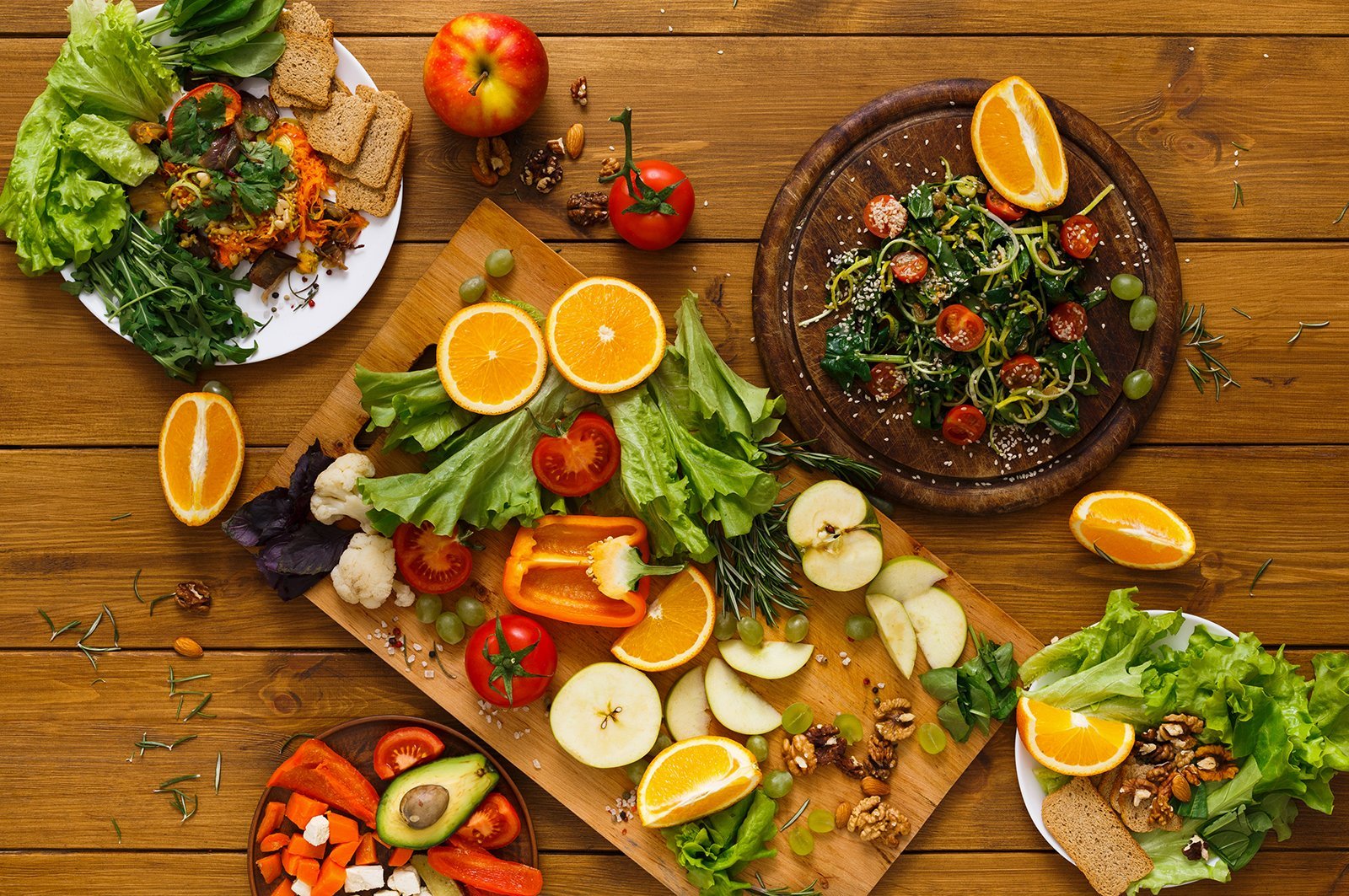
In this powerhouse episode of Hormones, Metabolism, and You, Dr. Cassie Smith is joined by Tamar Samuels, MS, RDN, co-founder of Culina Health, to unravel some of the most common nutrition myths and spotlight the transformative power of using food as medicine. From PCOS to menopause, hypothyroidism, and infertility, Tamar shares science-backed strategies to approach each condition nutritionally. Together, they cover the impact of protein, the importance of carbs and fats, and how misinformation on social media can derail progress. This episode is a must-listen for anyone navigating metabolic or hormonal health and looking for realistic, personalized nutrition guidance.
Cassie info and links:
Check out the website
Follow Cassie on Instagram
Follow Cassie on Facebook
Follow Cassie on YouTube
Follow Cassie on TikTok
Guest info and links:
About Tamar Samuels:
Tamar Samuels is a registered dietitian, co-founder, and the Head of Clinical Partnerships at Culina Health, where she leads efforts to build and strengthen partnerships with healthcare providers. With over a decade of experience coordinating care and collaborating with healthcare providers, health systems, and medical organizations, Tamar is dedicated to bridging the gap between nutrition care and traditional medicine to improve patient outcomes.
Blog/Transcription:
0:03 welcome back to this week’s episode of Hormones Metabolism and You i’m your host Dr cassie Smith i’m a functional
0:09 endocrinologist based out of Oklahoma City thank you for joining us this week we appreciate you taking time out of
0:15 your busy life to learn something that might help further your health or your education this week we’re going to be
0:22 focused on nutrition so I have an RDR registered dietician her name is Tamar Samuels and she’s the co-founder of
0:29 Kalina Health today our episode is going to focus on food as medicine what type
0:35 of conditions should we be focusing on that can be treated with food we’re going to be talking about some of the
0:40 top health myths around nutrition we’re going to talk about protein how much do
0:46 you really need does that change with age we’re going to talk about carbohydrates and fats are they good are they bad should women eat them and we’re
0:53 going to talk about some nutrition tips and some common disorders and conditions that patients typically have that follow
0:58 our show like PCOS menopause hyperyroidism and infertility so make sure that you stay till the very end
1:05 because then we’re also going to ask our three questions and I’m interested to see what Tamar has to say about the
1:10 questions we typically ask at the end of the show so Tamar Samuels is a registered dietician nutritionist and
1:16 co-founder of Kina Health her unique approach to nutrition care integrates lifestyle medicine and behavioral change
1:22 techniques pulled from her training in clinical nutrition and coaching science she’s helped countless people transform
1:29 their relationship with food and their health to improve a variety of health conditions tamar has her master’s in
1:35 clinical nutrition from New York University and completed her clinical training at Mount Cyani Hospital in New
1:41 York City she’s been recognized as one of the top holistic dietitians in New York City by Well Plus Good so thank you
1:49 for joining me on this episode thanks for having me Cathy so many so many
1:54 topics to talk about very excited to be here yeah and I do like the approach that you guys take so I think with
2:00 health it should be a very integrated approach obviously I think nutrition is a huge part of that but also you know
2:08 you kind of pointed out to me when we were talking right before we started how lifestyle modification and helping
2:13 people change their behaviors are really important i think that’s one of the main reasons that people don’t do well with
2:19 dietary changes right we have so many things that we think about food right culturally and what we do around food as
2:26 far as like with family members and how we celebrate and so helping people to figure out how to change some of those
2:32 behaviors to more positive healthpromoting behaviors can be one of the biggest challenges probably yeah
2:39 absolutely i think there the problem is twofold right there is quite a lot of
2:45 confusion around what to eat how to eat when to eat we almost have this uh
2:51 challenge of too much information people are overwhelmed um and there’s a lack of
2:56 personalization and trust in who’s delivering that information and where they’re getting that information so
3:02 that’s problem number one and then problem number two is okay once we figure out what we need to do we
3:09 actually have to do it right and integrating that is really where the
3:16 biggest challenge is um because there are so many barriers from access to food
3:24 costs you know eggs are $10 right now so that’s really upsetting and challenging
3:30 but also relationship with food stress we don’t just use food in a vacuum in a
3:36 silo food is such a important part of our lives culturally it’s also a big
3:42 part of how we cope with uh difficult emotions but also happy emotions it’s a big part of our social environment
3:48 that’s why I love nutrition because it is so dynamic and complex and it’s ever evolving
3:55 yeah I think that’s a good point you know a lot of people what I call they live to eat and we should be eating to
4:03 live and so kind of changing that mindset of like yes food is great it’s you know it releases dopamine it makes
4:10 us happy but really thinking about like making sure our body has the fuel that it needs to actually function and I
4:16 think that’s a big part of why so many Americans are sick right so we have all these Americans 93% of people in the
4:23 United States adults are insulin resistant we have all these people that as they age they’re on more medications
4:28 we have children that are getting adult diseases now and I think a lot of this has to do with our nutrition and so
4:35 figuring out how to help people and you I think you made a very good point like it is overwhelming right so the
4:42 information that you can get if you just doom scroll on social media I get overwhelmed and I have two boards
4:50 yeah like I mean I I am board certified by the American board of internal medicine and diabetes endocrinology and
4:56 metabolism so I have a metabolism board certification and I’m like this is overwhelming to me so I can only imagine
5:03 you know people are doom scrolling at night and the sad thing is you know that actually people spend about 8 hours a
5:09 week online looking for medical answers like looking on WebMD looking on uh chat
5:16 GPT just looking for answers for medical conditions which mean people want to learn which is great but then it’s to
5:22 your point like when you find something is it reliable is it trustworthy is it factual you know and so that’s the
5:28 overwhelming part to begin with and then it’s like okay well I found this diet that I guess I’m going to do or this
5:34 information now how do I actually implement it so there’s layers to it like you said and so I think that’s
5:40 where a lot of people just we are human nature is to stop right whenever we’re like overwhelmed or whenever we’re just
5:46 like that’s difficult human nature is to not do it and so I think also meeting people where they are and describing to
5:52 or explaining to them like this isn’t you know you’re not alone it’s not you know you’re actually wired to do that
5:58 you’re wired from a physiologic standpoint and a um you know a standpoint to to be able to live long
6:04 term when things are difficult you’re wired to just kind of like stop and not do that uh to preserve your energy and
6:10 so helping people figure out how to get the right information and implement the
6:15 right information is hard in today’s society it’s very hard and I think like
6:22 traditionally we’ve blamed the patient within the health care traditional sort of health care approach has been and not
6:29 just healthcare but also media right like oh the patient is lazy or they’re
6:34 you know not motivated or they you know don’t have a high nutrition IQ but I
6:40 think the reality is that this problem of overwhelm and people shutting down and feeling just lost in a sea of
6:49 misinformation is one of the biggest barriers and so a big part of my job and
6:54 the work that we do at Kina Health is helping to break through that and really
7:00 empower people to feel like they know what to do to support their health and
7:05 then actually do it yeah that I think that’s a good approach
7:12 and so if you’re listening to this podcast you know finding someone who can do that who can help break down some of
7:18 those barriers and help you coach coach you through that nutrition aspect is is very helpful we have a nutrition coach
7:24 at our office as well and people are always so grateful when they get to talk with her and you know be able to throw
7:30 all those overwhelming feelings at her let her absorb them give her you know give some information back to them and
7:36 then you know really dig in and everyone is individualized you said that too like making sure not only you find someone
7:42 that’s trustworthy to get the information from but somebody that can give you an individualized plan because what works for me is probably not going
7:47 to work for you and what works for me is not going to work you know culturally too right like so I don’t culturally I
7:54 don’t eat a lot of ethnical like eth you know food so like I I don’t eat a lot of you know Hispanic food i don’t eat a lot
8:00 of rice i don’t eat a lot of Indian food but like somebody else may and so figuring out how to make that work with
8:05 their diet is really important right because you don’t want somebody to give up you know their their culture um so
8:12 just working with people in in little ways like that I think sometimes we forget that you know when you go online
8:18 and you find an Instagram diet and it says you should eat chicken and rice with dinner every night you know and you
8:23 should eat whatever for breakfast i mean added cheese and sausage i think that was a Tik Tok thing and mustard
8:31 yeah there’s been a lot of interesting trends lately yeah and some people you know have
8:37 ethnic foods that they want to eat or they want to incorporate into their diet and so that’s okay it’s just finding the
8:43 right way to do it right so yeah absolutely what conditions do you think
8:49 can be cured with nutrition are there any that you know can’t like what is your thought on this i’m interested because my thought is like food is
8:56 medicine and I think most things can be fixed with nutrition maybe not completely cured but definitely helped
9:02 or prevented yeah Cassie I I’m right there with you so when we think about what role
9:10 nutrition plays in health it’s foundational we know that we quite
9:16 literally are what we eat our food contains the macronutrients protein
9:21 carbs and fats and micronutrients vitamins minerals uh antioxidants other
9:27 phytonutrients that quite literally become our cells and help to support all
9:33 of the metabolic processes in the body so food is really important for our
9:39 overall health that said we also know that a number of different factors drives can determine somebody’s health
9:47 outcomes some of those factors are also lifestyle related like stress uh physical activity uh exposure to toxins
9:56 some factors are also genetic that we might not have as much control over but that might also be interested influenced
10:03 by our lifestyle something called epigenetics where we sort of have these genetic predispositions and then
10:09 lifestyle circumstances can kind of turn those genes on or off and so nutrition is foundational but it’s not so black
10:16 and white it’s very complex in how much
10:22 a role nutrition plays in your health but we know it’s a big one for some people it may be bigger than others when
10:29 it comes to treating disease we also know that you know this
10:35 food as medicine can be really really really powerful particularly in chronic
10:40 disease heart disease type 2 diabetes insulin resistance metabolic syndrome so
10:47 these conditions we know have a large genetic component but even more so a
10:52 lifestyle component which is impacted by food but also can be reversed in some
10:59 cases by dietary and lifestyle interventions so it does really depend
11:05 on the individual but I’ve seen and we’ve seen at Kina Health in some of the
11:10 internal research that we’ve done that we can have a huge impact on reversing
11:15 pre-diabetes for example yeah I think pre-diabetes insulin
11:22 resistance PCOS a lot of these things huge and then when you fix someone’s
11:27 weight too so pre-diabetes insulin you know diabetes they most of these people
11:32 are going to have issues with their blood pressure and their cholesterol so it’s kind of like the perfect trio right in medicine we we talk about the triad
11:39 of diabetes hypertension and hyper lipidmia or high cholesterol so high blood sugar high blood pressure high
11:45 cholesterol and when you fix one of those with weight you kind of fix them all which is nice yeah and then what I
11:53 see as well is a lot of autoimmune conditions like Hashimoto’s which I deal a lot with uh premature ovarian failure
12:00 or when you go into menopause at an earlier age than would be expected a lot of these are inflammatory conditions
12:06 which can come initially from your diet because you end up with gut issues right you end up with leaky gut you end up
12:13 with something called small intestinal bacterial overgrowth where you have bad bacteria outnumbering good bacteria
12:19 which causes your gut to then you know leak things because of these bad toxins that bugs bugs make and so then you have
12:26 these little holes in your GI tract they’re leaking all these bad materials and all the food that you eat into your
12:32 systemic circulation or into your blood which causes your immune system to make a complex or to kind of become alert and
12:40 fight these things that are flowing through your body and then this chronic uh constant you know activation of your
12:46 immune system causes your body to sometimes attack itself and so we end up with things like Hashimoto’s and we end up with things like celiac disease and
12:53 we end up with things you know diabetes all these things rheumatoid arthritis lupus autism all these things that are
13:00 just increasing astronomically and so when you go back to fixing just your gut and your nutrition a lot of these things
13:06 get better and I mean we see that too at Modern Endocrine and I know you said you guys are seeing that and so you can kind
13:12 of help change the trajectory of a dis a disease process you can change you know how that disease process is treated and
13:19 ultimately how that person lives because when you stop that inflammation and stop that disease process that’s not only
13:24 going to affect the quality of their life but the quantity or how long they live as well so it’s pretty exciting and
13:31 it’s it is it’s something that I mean everyone eats right everyone has to eat
13:37 at some point and so it’s something that everyone can work on too yeah uh that’s
13:42 what another reason why I love nutrition so much because we have the ability to have agency over this often times when
13:48 we’re managing a chronic health condition it can feel like we’re totally out of control of our bodies um and
13:55 really working on nutrition and lifestyle can help us feel like we have control back right we know that we can
14:01 make actionable steps that have an impact i think people struggle though because
14:07 uh nutrition a lot of the results that we see take time and when it comes to
14:14 quote unquote diet people are used to like really fast quick results from
14:20 medications but also from diets and that isn’t always the case especially when
14:26 we’re working on chronic conditions like pre-diabetes type 2 diabetes insulin resistance PCOS right like these we know
14:34 are conditions that are impacted by inflammation hormonal imbalance um and it takes some time for these changes
14:43 that you’re making to actually manifest you have to be patient with our bodies i
14:48 always tell my my patients it took you how many years to get to this point right you’ve been working at this uh
14:56 this disease or condition has manifested over the course of many many years we’re
15:01 not going to be able to undo that in a month of work together so really important to just manage expectations as
15:08 part of this process yes food and nutrition is really powerful and has a huge impact but it’s not as quick as
15:17 we’re used to with more traditional diets and medication
15:22 yeah I think that’s a great point and not only you know people are looking for this quick fix as far as actual weight
15:27 loss but I like to remind people too it took you 35 40 45 50 years to develop
15:33 these crummy habits that you have and they don’t go away overnight either
15:38 right so habits are things that we really have to work on and then in doing
15:43 that like anytime you’re you’re wanting to get healthier you’re wanting to do a diet you’re wanting to get better if
15:48 you’re just focusing on the nutrition aspect and you’re not focusing on lifestyle modification and changing
15:54 habits you might lose weight and get healthier for a minute but it’s all going to come right back and probably
15:59 going to come back with a vengeance and be worse because you’re not changing those habits that ultimately you know
16:06 help control what you eat and control when you eat and control what you do and so it’s just it’s more of like that’s
16:13 where you know nutrition itself I mean it can do a lot but again you have to
16:18 look at somebody holistically as a person like are you sleeping are you walking are you pooping are you you know
16:23 all these things are in place all of the things they’re all connected it’s not
16:28 just one thing and if it was easy we wouldn’t be having this conversation
16:34 there wouldn’t be 70 plus% of adults in the United States that are either either
16:39 overweight or obese i mean we wouldn’t have these medical issues if it was easy
16:45 and so I think that’s where again human nature is wired to when things are difficult retreat like that’s how we are
16:53 wired and so I think it’s important for people to understand that like I try to tell patients it’s not necessarily your
16:58 fault like that is how you are wired and so it’s almost like you have to be different like go against the norm go
17:05 against the gradient to be healthy especially when it’s hard and the more
17:10 unhealthy you get the harder it gets right the more the more disease processes you have the more diagnoses
17:16 you have the more medications you take the more weight you need to lose the harder it is and the more internally
17:22 your genetics and your body and your physiology is saying don’t do that it’s difficult and so I think that’s what
17:28 people you know need to understand as well yeah and I think you know to sort of like reframe it too it’ll be your
17:37 most important project right uh it’s your
17:43 health is quite literally wealth you know if we if we aren’t healthy if we don’t feel well it impacts every single
17:50 part of our lives from our relationships to you know our aleness our ability to
17:55 kind of get where we want to go and so it’s hard and it takes time but it’s you
18:02 know arguably one of the most important things that you can do for yourself and so incredibly gratifying right once you
18:09 really start to get that momentum going start seeing results start feeling more
18:14 in control and have a better awareness and understanding and action take action
18:21 on what you need to do uh then it starts to become empowering and less overwhelming so a lot of the work that
18:27 we do is getting people from that point of defeat and overwhelm to empowerment
18:34 and confidence right because when we have that empowerment when we feel confident then it opens up a world of
18:40 possibility and advocacy right i think a lot of folks have struggled navigating
18:47 their health and they haven’t been able to advocate for themselves within the larger health care system because of the
18:54 many challenges that we face with the health care system at large and so once
18:59 we become more comp confident and empowered about how to manage our health then we can navigate the system that’s
19:04 really really challenging and get what we need yeah I would totally agree so what are
19:12 kind of top come at me with like the top three health or nutrition myths that you
19:18 see right now that you would like to see either changed or debunked and that can
19:24 be in the news that can be in social media but are there three things that really like get your blood boiling cuz
19:30 like when I’m doom scrolling on social media there are things that people say about hormones or thyroid that just get
19:36 under my skin and I’m like visibly angry about it which is so stupid because it’s social but I’m like these are things
19:42 that millions of people are seeing so what are like three things that you think are just awful that probably need
19:49 to be like squashed so this oat zenic trend really needs to
19:54 go away let’s not use blended oats and water as a meal
20:02 replacement for weight loss while oats are healthpromoting food they’re great
20:07 for heart health they’re high in fiber they’re good for digestion and can be great for weight loss we don’t need to
20:14 take a healthpromoting food turn it into a diet as a way to lose weight right
20:21 meal diversity is so important for our overall health and when we limit our
20:28 foods to just one food we’re missing out on protein we’re missing out on micronutrients not only that it’s not
20:35 super palatable so uh I’m sure you know a blended oat drink with nothing but
20:43 water and oats probably doesn’t taste super yummy uh and it’s not sustainable right
20:49 so right will you probably lose weight if you have two oatic concoctions a day
20:56 for a week yeah I I think you will will you gain it back once you stop stop drinking that 100%
21:03 um so yeah oat please go away yeah and you’ll stop making your hormones because
21:09 you need fat to make hormones so you’ll stop making your thyroid hormone and your estrogen and your progesterone and your testosterone because there’s no fat
21:15 in oats and water um and you’ll just be really cranky and you’ll start to lose muscle mass because you have no protein
21:21 so that’s stupid yeah okay what’s the next one such a bad one that one’s gota go bye that was that sick bye
21:29 bye see you see you never um the next one oh god um the next one I would say
21:36 let’s see what’s happening in the space right now i think people are getting really
21:43 um confused about sort of this anti-diet movement and intuitive eating and should
21:51 we just say no diets no no you know eat whatever you want um and this is less go
21:59 away it’s more like let’s let’s do some real talk about what these movements are
22:04 and what it means so um the anti-diet movement is a really powerful one sort
22:11 of approach to thinking about your nutrition outside of dieting right
22:18 because we know that diet culture is insidious people have been unsuccessfully yo-yo dieting for decades
22:26 and really for generations and so the anti-diet movement really
22:31 says you know screw these diets they don’t work i’m going
22:36 to have another approach which is amazing we love this right diets don’t
22:44 work but it’s also really important when we’re thinking about reframing our
22:51 relationship with diets and food for us to have an alternative outside of just saying “I’m
22:59 not going to diet anymore.” Right we’re going to say goodbye to diets but we need to have an alternative as part of
23:05 that and I think that’s a really important caveat that isn’t discussed as much because it’s not as clickbaity
23:13 right uh so when you’re thinking about ditching the diet which you 100%
23:19 should what is your alternative solution and the alternative solution is
23:25 personalized nutrition that supports your mind and your body right where
23:30 you’re establishing a healthy relationship with food um that includes
23:36 indulgent meals that includes foods that you really enjoy with family with friends social outings sometimes it
23:42 includes alcohol for some people but also includes healthpromoting foods that
23:47 make you physically feel good right so I think it’s really important to talk about this this anti-diet movement in
23:54 the context of personalized nutrition yeah and I would also say this movement
23:59 of like love yourself you know this I I do want you to love yourself but these
24:05 people that love themselves that are 350 lbs and say that that’s fine that is detrimental to your health and so that’s
24:11 where I’m going to say yes love yourself and you know find somebody to help you
24:17 make yourself healthier but to your point like if we’re going to ditch diets at 300 plus pounds and say “Well it
24:23 doesn’t matter i love myself and I love my body how I am.” you still need to find somebody to help you make sure that
24:30 your body and yourself make it another five years because when we’re severely overweight that puts a lot of strain on
24:36 our body and so that’s something that bothers me with this cultural like no diet thing as well i I’m totally with
24:42 you i don’t think I I don’t diet i I do more of an intuitive eating i eat what makes me feel good or what fuels my body
24:49 i think that restrictive eating and dieting is a huge problem but I also
24:54 think to your point we can’t just like throw everything out the window and say “Well I’m not going to diet and I don’t care i love myself and I’m just going to
25:00 do whatever I want.” Right because then that’s going to become a problem so to your point like this having a plan like
25:08 having a lifestyle modification having a you know you you if you you know you’re
25:13 going to fall to your like if if you have no net and no plan and no like got
25:20 guard rails you’re going to just fall to whatever right and so you’ve got to have
25:25 something in place um and so I completely agree with you there like we can’t it just can’t be a free-for-all so
25:32 yeah and I and I think I yeah I I think Cassie as you were saying it’s so important to embrace all body sizes
25:38 regardless of how much you weigh or what body size you are we’re all different and unique and there has been you know
25:47 uh decades generations long trend of what our perception of beauty is
25:52 supposed to look like and the perception of beauty is is something that is
25:59 completely subjective and should be subjective right um and so embracing who
26:05 you are at any shape size capacity is so incredibly important
26:13 you should be empowered to look and feel however you want the message is
26:20 really okay we’re embracing ourselves as who we are we’re showing up and being
26:27 authentically true to what we look like and what we want to look like
26:32 let’s also ensure that we are protecting our health as part of that right so
26:38 whatever that looks like for you and there’s actually some really interesting research on health the health at every
26:44 size movement and it really does show that people at larger body size can be
26:50 quite healthy and there isn’t necessarily a onetoone direct correlation between body size and health
26:58 and so you could have a larger body size and still practice healthy habits have
27:04 good nutrition um and really see some some great shifts in chronic markers for
27:11 chronic disease and cardioabolic disease and so there has to be again going back
27:16 to personalization there has to be this place where you are embracing and
27:22 celebrating your unique individuality while also embracing and celebrating
27:27 your health as part of that and for some people and for a lot of people the majority of people body size does impact
27:34 depending on the individual body size can impact your health markers right and so we do need to focus on weight loss as
27:41 part of your journey but we don’t need to focus on you know 300 pound weight loss or hundreds of pound weight loss
27:47 it’s really really really individual so right
27:53 yeah health markers and I completely agree i you know cuz I check a lot of labs on patients a lot and I have
27:59 patients that you know weigh 250 300 lbs but are healthy like they don’t have
28:04 high insulin levels they don’t you know I have a patient I can think of who played football like professional
28:09 football college football and then and is a big guy but he has really good health markers right and so that’s great
28:17 but he also still follows a nutrition plan and works out and like and so I think again to your point personalized
28:23 medicine just making sure wherever you are that you’re making sure that the machine that you have your body is you
28:30 know getting the the proper things that it needs and it’s not giving you warning signs like high insulin levels and high
28:35 triglyceride levels and high liver enzymes and and if it’s not then that’s great but I also think that health is a
28:42 journey and it’s something like you know I tell people health is not owned it’s rented and the rents do every day so if
28:48 you have great if you have great health markers today that’s perfect but if you throw everything out the window and for
28:54 a year decide oh I’m healthy i’m just going to do whatever I want and not make good lifestyle choices i promise in a
29:00 year your health markers are probably going to look different than they look today right and so it’s just like and as you get older it’s more difficult so I
29:07 think that’s an important thing too with this movement of like no diets and whatever yes embrace yourself yes I
29:13 think all body sizes and types are beautiful i just want people to be educated because I will also tell you
29:19 that I have some very thin patients i have patients that weigh 100 120 pounds and have terrible biomarkers right like
29:26 the skinny fat people oh my gosh i’m like this is bad like we have to fix
29:31 this like you know so I think it’s just being empowered and knowing truly what’s going on with your body and truly what
29:38 you know what’s going on inside and that’s the interesting thing about people like we’re kind of like books
29:43 right you can’t judge us by a cover um and I see that a lot so you can’t judge a book by its cover you can’t judge a
29:50 person by their body size but you need to know what’s going on under the hood what lights are on and what you need to
29:56 do to kind of keep making sure that you’re becoming a better person right
30:02 yeah it’s hard to prioritize our health when we have so many comp competing priorities in this life but at the end
30:09 of the day it’s the most important thing for us to prioritize because and people
30:15 will say that when they have an you know an accident or they an injury and
30:20 suddenly they don’t have access to the things that they used to have like maybe they have to be on crutches or they
30:27 don’t have the ability to make their own meals anymore right when you have that taken away from you you really realize
30:32 how valuable and important it is as part of quality of life yeah what’s one more
30:38 so we have the oat oimpic that needs to go the anti-diet culture we think is good but you should have a plan to do
30:45 something to make sure holding holding yourself accountable to just maintaining the health that you have or making sure
30:52 it’s not worse what do you think is one more hm what what about protein let’s talk
31:00 about a lot of conversations about protein right now yeah yeah so what’s the truth about the myth on protein like
31:08 how much should we really be eating you know I know what the medical literature says but how much do you think that
31:14 people truly need from a registered dietitian perspective how many like
31:19 grams per pound does that change over time does it change when we go through menopause does it matter if it’s animal
31:25 protein versus plant protein what are your thoughts on that yeah so this is
31:32 probably one of the biggest topics in nutrition right now i think people have
31:37 always talked about protein but they’re talking about it more in the context of GLP-1 medications um because we know
31:44 that GLP1 medications for weight loss can actually cause additional losses in
31:51 lean body mass aka muscle mass and so people are talking a lot more about
31:56 protein because they’re talking a lot about GLP-1 so uh let’s let’s break it
32:02 down so protein is a very critical nutrient it’s a macronutrient which
32:08 means that it contains calories and the three main macronutrients are protein
32:13 carbs and fat so protein is especially important because it is really the
32:20 primary macronutrient for our that serves as the building blocks of our
32:26 tissues particularly muscle mass it’s really important to have muscle mass not
32:31 just for hashtag gains but uh really important for health overall especially
32:37 when it comes to bone health and metabolism so we want to ensure that
32:43 we’re eating adequate protein to support bone health to support muscle mass which
32:49 supports bone health and also helps keep our metabolism humming as particularly
32:55 as we age and for women as we approach and go through menopause so is also very
33:03 well researched for uh its ability to make you feel full which in the clinical
33:09 world we call satiety so protein is unique in that it helps you to feel
33:17 satisfied or full more so than carbohydrates and a little bit more so
33:22 than fat but fat also helps you to feel full the cool thing about protein is it
33:28 also has a higher thermic effect of food right that means that when you consume
33:35 protein you’re actually burning more calories to metabolize or break down
33:42 protein than you are with fat and carbs
33:47 so for all of those reasons protein is a really really important nutrient i would
33:52 argue all of the nutrients are really really important so I wouldn’t say that it’s more
33:58 important than carbs or more important than fat i think you know fats and carbs
34:04 and protein kind of go through phases of being hot and not hot and kind of cancelled or not cancelled and and
34:12 protein is definitely hot right now um but there’s a lot to talk about and
34:18 unpack when it comes to protein right so we know protein is important we know why but how much protein do we need so in
34:26 nutrition we tend to take things to the extreme we have things like the carnivore diet where people are just only eating protein all day long you’re
34:33 just eating animals and no vegetables you know no produce no carbs just animals and their
34:41 guts are terrible by the way like their their fical bacterium is dead their
34:46 acromancia is probably dead all their good bacteria are in trouble because they need fiber but go ahead yes yes
34:54 exactly fiber is so important also like carbs are breakdown to glucose glucose
34:59 is the primary fuel source for the brain and our muscles we need fuel for our muscles in order for us to work out so
35:06 there’s a whole and as you said Cassie when we talk about fat we have to talk about in the context of hormones so all
35:12 of the nutrients are important protein is not any more important than carbs or fat but it’s it is super important it
35:18 doesn’t mean that you need to protein load and only eat protein the
35:25 recommendation and this is super scientific but I can break this down into something that’s a little more practical in a moment but the
35:32 recommendations for protein intake are8 to 2 g per kilogram so in medicine which
35:41 I’m sure Cassie has told you all we use metric system which is not super helpful for anyone except people in
35:49 healthcare so uh for those listening who are not in healthcare the way that you break that
35:55 down is you divide your weight in in pounds by 2.2 2 and then you get your
36:03 weight in kilogram and then you multiply that by
36:09 uh a number ranging from8 to 2 so where do you fall within that range really
36:16 depends on your needs so uh the typical quote unquote healthy individual it’s
36:23 probably fine at 8 g per kilogram if you are physically active if you are going
36:30 through menopause if you are um elderly or senior then you probably need
36:38 something that’s a little closer to 1.5 and sometimes 2 g per kilogram so we
36:45 definitely want to make sure we’re personalizing your protein needs uh based on lifestyle some people need a
36:53 little bit less pro protein because they have a kidney condition so the amount of
36:59 protein that we eat does depend on age
37:04 hormones lifestyle factors but also really important to think about the type of
37:11 protein that we’re consuming so we have two main categories animal based proteins and
37:18 plant-based proteins i come from the perspective that both are good we know
37:24 that having a plantforward diet so a diet that consists of mostly plants but
37:32 not exclusively plants can be really beneficial for health and we can get
37:37 protein from plant sources like edamame we can get protein from legumes so beans
37:45 all of the lentils chickpeas black beans navy beans you know all of the different
37:51 beans uh have are a great source of protein and as you said earlier Cassie also really really good source of fiber
37:57 which is super important for our gut health so we can get protein from both
38:03 plants and animals when we think about getting protein from animals we want to be mindful about personalized health
38:12 so the research on saturated fat is really dynamic and evolving and cool but
38:19 we used to just say you have to have lowfat everything you can’t eat high fat
38:25 or whole milk or high like marbled meats and fatty meats because we know that that’s going to cause heart disease now
38:33 interestingly the research is showing that in dairy products specifically
38:38 saturated fats may not be harmful to
38:44 your cardio your lipid profile so particularly those fermented dairy
38:50 products so things like cheese and yogurt contain protein they also contain
38:58 saturated fat the saturated fat and dairy products might not be as harmful
39:04 to your lipid profile um so we’re learning a lot about the types of
39:10 protein we should be focusing on generally speaking we do want to minimize processed meats as part of this
39:17 there’s quite a lot of research although it is association based observational
39:23 research that shows a correlation between high levels of processed meat
39:28 and cancer risk so uh want to ensure that we’re having whole foods as much as possible and limiting animal proteins
39:36 that are uh more processed like your sausages and your bacon and things like
39:41 that and lunch i need some water that was a lot lunch meat right lunch meats
39:47 things like that yeah so I I talked to a lot of people who are like well I eat you know lunch meat and sausage and you
39:56 know and I’m like okay well yeah those are those are processed meats i would rather you eat lentils or so yeah I do
40:02 think it’s important for people to think about that i think eggs are a great source of protein i think the other thing you have to think about with
40:08 protein though is where is your protein coming from right so ideally we’re
40:14 trying to get meats that are you know pasture-raised grass-fed if you’re
40:19 feeding animals a bunch of corn and wheat that has gly you know all these
40:25 toxins and chemicals on them then that’s a problem too so it’s difficult but in
40:31 general you want to look for pasture-raised grass-fed beef if you can
40:37 or you know fresh caught fish or to your point you just want to make sure you’re looking for other sources of protein
40:44 like beans and things like that just not all the processed stuff there’s so much processed meat out there which also kind
40:50 of drives me crazy with this plant-based meat that people talk about right these plant-based patties and all this that
40:56 stuff is so processed like you three Paci that’s got to go i would Oh I would
41:03 rather you eat lunch meat than eat plant-based like soy patties you know i don’t know it’s just But yeah I think
41:10 that was I think that’s a good recap like thinking about the type of protein that you’re getting thinking about your
41:17 age your hormones your lifestyle and then making sure that it fits you and I think the best way to do this what I
41:23 tell people is to track it right do in body sk we do in body skins on all of our patients so let’s follow your muscle
41:29 mass when we change your diet over four weeks 6 weeks 8 weeks and if you are drastically losing muscle then we have a
41:36 problem with either you’re not consuming enough protein and or you’re not doing enough resistance training or maybe you’re just not consuming enough
41:42 calories in general right so tracking it is really important and tracking it not just with a scale though because a scale
41:49 tells you nothing it’s almost worthless like I think if you want to talk about a vital sign that needs to go or a medical
41:56 piece of equipment that needs to go it’s a regular scale because it tells me nothing okay great perfect
42:02 yeah you have 130 lb that’s like telling me your cholesterol is 300 you can have
42:08 a cholesterol of 300 but actually be very healthy if you’ve got really good LDL cholesterol like you know big
42:14 particle size instead of small and you’ve got great HDL and your triglycerides are low so that tells me
42:20 nothing same thing with a scale you’re 130 tells me nothing about you so I
42:26 think that’s important too and you brought up fats and I think that’s really important to kind of talk about
42:32 as well you know there are these people out there that say like “Eat all the fat you want fat is good as long as it’s
42:38 olive oil as long as it’s peanut butter and it’s almond butter and it’s you know um avocados and it’s nuts and seeds you
42:45 can have all the fat you want.” I don’t know that I’m on that train of all the fat you want like I mean you know if
42:50 you’re having 200 gram of fat a day we got a problem probably but what is your thought on that like you need fat for
42:55 sure to make hormones to make sure your you know your brain’s functioning but is there amount of fat that’s too much if
43:03 we’re eating good healthy fats obviously if we’re eating bad fats that’s it’s a different story but what are your
43:08 thoughts on fats yeah so in the context of good healthy fats I think the dose just and the portion just depends on
43:15 your individual goals if we’re overdoing it on the fats we might find that we’ve
43:21 got some GI concerns related to that specifically diarrhea so if you find that you’re
43:28 loading up on the fats and you’re having looser stools it’s probably from the
43:34 fats so fats can be challenging to digest we require you know a few different organs to help break down fat
43:41 and it can be a little bit taxing on our gallbladder if you’re someone who either doesn’t have a gallbladder or is prone
43:49 to gall stones or sludgy sludgy gallbladder then it can be a little bit
43:55 harder for you to break down those those fats so want to be mindful about
44:01 digestion if your goal is weight loss we also want to be mindful about how much
44:06 fat we’re consuming again we’re not eliminating fat you could absolutely have olive oil you can have avocado can
44:14 have the healthy fats but we do know that fats have over double the amount of
44:21 calories per volume compared to protein and carbohydrates which means that for
44:27 the same size you’re getting double the amount of calories so a itty bitty
44:33 tablespoon of olive oil has 120 calories whereas you know a tablespoon of
44:38 vegetables or protein has probably half if not a quarter of that so if you’re
44:44 having more portions of fat and you’re trying to lose weight it might increase your calorie intake overall which might
44:51 make losing weight a little bit more challenging so those are my big concerns
44:57 with overdoing it on the fat mostly digestion and if you’re trying to lose
45:02 weight it might be a little bit harder for you to lose weight by having a highfat diet unless you’re doing keto
45:09 which is a whole another conversation that we don’t have to talk about yeah I don’t think we have time to
45:16 talk about that yeah we need two hours for keto and then carbs so you know a lot of
45:23 women especially my age your age like you know 30 mid30s late 30s 40s a lot of
45:30 women have this mindset about like carbs are bad and I that’s the number three
45:35 that probably needs to go carbs are not bad it’s the type of carb right so like if you’re eating good nutritious carbs
45:42 if you’re eating vegetables if you’re eating you know sweet potatoes or rice in certain amounts assuming that you’re
45:48 exercising like carbs aren’t bad like you need carbs to sustain you i know all the keto lovers out there will love that
45:55 but I mean I truly think that you need some carbs to sustain you especially if you’re lifting heavy and you’re you know
46:01 doing exercises and things like that it’s the type of carb though right just like the type of protein and so I think
46:08 where we get our wires crossed is like we don’t want people having 200 g of processed carbs in a day because that
46:15 has a lot of extra sugar and it doesn’t have fiber so they’ve stripped the fiber out of those carbs and they put sugar
46:20 and crap in there that when it leeches into your you know bloodstream because
46:25 your gut has lots of holes in it you’re going to have issues you’re going to have immune complex issues because these
46:30 are there’s things in your food that shouldn’t be in your food and they definitely shouldn’t be in your bloodstream so it’s just like the type
46:36 of carb right and so I think a lot of women have this in their mind like “Oh what carbs are bad carbs make me fat
46:42 carbs make you gain weight.” Which is not true if you eat them correctly and actually if you undereat carbs and you
46:49 are you know lifting and trying to lose weight and and you’re really severely undereating carbs eventually your hunger
46:55 is going to get out of control and then you’re going to overeat because you’re going to have to make up that difference in fat which you just said is not good
47:01 because when you start making up the difference in carbs with fat you’re going to overeat fat and then you’re going to have too many calories and so
47:07 it’s just I think that’s one thing that women really get wrong is like carbs aren’t bad you just have to eat the
47:12 right amount of carbs and you have to eat the right types of carbs right so vegetables and and good carbs are
47:19 different than processed carbs yes totally so the the free macros protein carbs and
47:27 fats are all important and they all have so many nuances right and just after you
47:33 know one hour of chatting with Cassie you could see why people are confused because everything is has to be when we
47:42 talk about nutrition we have to talk about it in the context of individualization and personalization
47:48 right um and we also do a lot of stuff to our food that impacts the way that we
47:54 metabolize it which ultimately impacts our health and so carbohydrates are
48:00 really the body’s primary fuel stores they get broken down into glucose glucose fuels our brain and it fuels our
48:07 muscles uh and we need fuel in order for us to function so carbs are not bad
48:14 they’re actually really really good and very important we can sort of shift the
48:19 way that we metabolize energy with ketone bodies from fat but we’re still
48:25 relying on carbohydrates and that’s also not the body’s natural state to be in ketosis primarily all the time so uh we
48:34 can go in and out of states of ketosis for some folks but generally speaking we
48:39 really need and require glucose or blood sugar for us to function we can get
48:46 carbohydrates from so many different sources there’s probably carbs in almost
48:52 every food type that you can think of except for pure animal protein and pure
48:57 fats but there’s carbs in milk there’s carbs in uh beans in vegetables in fruit
49:06 in grains and starchy vegetables like potatoes there’s carbohydrates in almost
49:12 all foods except for those ones that I mentioned and we want to focus on whole food sources of carbohydrates because
49:19 they have more fiber they have more micronutrients which means that they have more of those antioxidants which
49:26 help us to you know fight inflammation they have all of the
49:31 vitamins and the minerals which all play different functions and roles in our body but are essential uh many vitamins
49:40 and minerals are essential which means that we have to get them from food we can’t create them in our body um and so
49:46 we require it’s it’s required that we eat food in order for us to meet our
49:51 needs so really important to focus on whole food sources you can really get them from anywhere rice is not bad
49:58 potatoes are not bad we want to focus on the right amount high fiber uh options
50:06 and they’ll make you mentally feel really good too so the thing about carbohydrates is they they really help
50:12 to produce serotonin in our brain that’s why we all kind of get happy when we have carbs so I found in my practice
50:19 that well going on a lower carb diet it can cause shifts in mood can also cause constipation as Cassie mentioned earlier
50:26 where uh you know you’re having less fiber which can be really really
50:32 challenging for your microbiome a lot of negative health impacts with eliminating
50:37 carbohydrates so carbs are bad needs to go away carbs are not bad carbs are
50:42 great we got to have the right type of carbs in the right amount just like with
50:48 protein and just like with fat so I kind of want to transition and take a few
50:54 conditions that a lot of people that listen to this podcast have and I want you to give us like a one to twominut
51:00 synopsis of what you would think would be a good like diet not diet a good
51:07 nutrition plan or like things for these people to do to kind of help with that disease process right so like should
51:13 they be more focused on protein should they be more focused on good healthy fats and it may be that all these things
51:18 end up being the same because what I find is that I tell patients in general to follow somewhat of like a Mediterranean type diet typically now
51:25 every now and then depending on the person they may need more protein but like also are there any foods in
51:30 particular when I say these disease processes that you think oh these foods are very beneficial to these people
51:36 because fill in the blank right so the first one I want to start with is PCOS
51:41 which we know for listeners if you don’t know PCOS is not only a hormonal issue
51:46 but is a huge metabolic issue and that’s why it’s not treated right in this country it is an issue where your hormones are out of balance typically
51:52 you have more testosterone than most people most women um and a lot of times you’ll have something called estrogen
51:59 dominance although not always and so you have issues with irregular menstrual cycles that over amount of or the
52:05 increased amount of testosterone causes a lot of things like acne oily skin and things like that but the other problem
52:10 you get with PCOS is a huge metabolic issue where that excess androgen causes increased insulin resistance and causes
52:18 increased insulin issues so that people start to gain weight they have high cortisol levels and it’s this big mess
52:24 of a cycle that the insulin drives the the high insulin and high cortisol drive higher testosterone and the higher
52:30 testosterone drives higher insulin and cortisol and all of this drives irregular menstrual cycles which then
52:36 the lack of estrogen and progesterone in your gut cause issues with your gut which further cause the you know
52:41 androgen issues and the insulin issues and so it’s kind of a big mess and the way that we treat it in this country is we give people birth control which just
52:48 masks the symptoms and doesn’t fix anything with the actual disease process and we don’t talk to people about diet
52:54 because why in the world would we do that and so then 10 years later when they get off birth control they’ve just
52:59 gained weight for 10 years now they’re infertile um and they still have the same issues that they started with and
53:04 so we’re back at square one yeah catastrophic right having said very
53:11 harsh yeah and there’s not a lot of good information out there so is there something you think of with PCOS like
53:16 this is the diet for you you know I tend to talk to people about maybe a little bit lower carbs in that case where it’s
53:22 like 30 to 40 per meal but it’s good complex carbs and trying to limit sugar
53:28 is there anything that you think about though with PCOS yeah so when we think about PCOS as you said Kathy we know
53:34 that insulin resistance is really important even if you have this PCOS prototype that’s like so-called lean
53:41 PCOS where you’re you know have your BMI is within the quote unquote healthy
53:46 range we still are seeing insulin resistance within this patient population so whenever insulin
53:52 resistance is present we want to make sure we are very mindful about carbohydrate intake again doesn’t mean
53:58 we need to avoid carbohydrates research shows there’s not a large body of research on this but research shows that
54:04 women with PCOS would benefit from having a moderately low carbohydrate
54:10 diet so not keto when we talk about moderately low carbohydrate diet we’re looking at when we think about it in
54:16 terms of macronutrient distribution we’re looking at a 40 around a 40% of
54:22 your total calories from carbohydrates sometimes as low as 30% so 30 to 40%
54:29 range what that looks like in practice is maybe you’re having one starch-free
54:35 meal a day or you’re having a quarter cup with spread throughout your meals
54:41 instead of having you know two two cups with two meals a day so there’s a lot of different ways that you could decrease
54:47 carbohydrates um to get to that point but you can still have rice you can still have grains uh you just want to be
54:54 mindful about choosing options that are higher in fiber because uh if you have high fiber foods it actually decreases
55:00 your uh overall net carbohydrate because fiber isn’t non-digestible by human by
55:08 humans and so it actually doesn’t contribute to calories overall so um
55:15 that’s one key that’s one component with PCOS also want to be mindful with those
55:21 refined highly processed carbs um because they’re just have more carbohydrate overall and are
55:27 pro-inflammatory so be mindful of your sugar intake your you know intake of
55:33 refined carbs that are typically white in color also want to be really mindful
55:38 about inflammation anytime we talk about insulin resistance we have to talk about inflammation as part of that dialogue
55:43 but PCOS in in particular we know that we tend to see higher levels of
55:49 inflammation so focusing on anti-inflammatory foods like lots of vegetables variety of different color
55:56 vegetables absolutely can have fruit we want to add those healthy anti-inflammatory fats like olive oil
56:01 avocado you could add uh things like garlic and onions and cinnamon those are
56:07 all really powerful anti-inflammatory foods as well so focus on moderate carbohydrates and adding in lots of
56:14 anti-inflammatory foods okay and what would you say about menopause i would say that that is very similar with
56:20 menopause or as we kind of transition into that permenopausal phase with the exception of also increasing protein a
56:27 little bit but I’m interested in your thoughts yep my thoughts exactly that’s really what the research shows we know
56:33 that also insulin resistance uh tends to be something that we see in women in
56:39 parmenopause through menopause so want to be mindful of carbohydrates overall
56:44 we know that uh women in particular will see losses in uh bone bone mass so want
56:51 to make sure that we’re focusing on protein to help to support healthy bones and also support building of muscle mass
56:57 to help with our natural decline in metabolism unfortunately that we all
57:03 face so yes yes very similar with the added caveat with protein
57:10 and then what about infertility do you have any sort of tips or tricks if
57:16 people are suffering with infertility as far as from a diet perspective the things I think about are are you eating
57:21 enough in general are you getting enough carbs enough protein enough calories enough fat because if you’re not eating
57:27 enough obviously that triggers issues with your menstrual cycles and so if the answer to that is yes then my next
57:32 thought is a PCOS type picture with insulin resistance which we’ve talked about but is there anything else you
57:37 think Yep which we’re going to talk about next but is there anything that you think of as far as infertility like
57:44 certain things people should eat in particular yeah I think when it comes to fertility
57:49 there’s and infertility there’s so many different root causes so it really just depends on what the root cause is as you
57:55 said Cassie for a lot of women it’s PCOS someone women it’s Hashimoto’s which we’ll talk about in a minute but
58:01 ultimately really important to ensure that you’re having adequate calories you’re not undereing stress is also a
58:08 big component when it comes to uh infertility so we work a lot with our patients on the lifestyle component
58:15 managing stress trying to conceive has become a really challenging journey for a lot of women and so there are a lot
58:22 there’s a lot we can do from a nutrition perspective to make sure that we are uh
58:27 supporting our hormones so for example making sure we’re not going for long periods of time without eating when we
58:33 go for long periods of time without eating our body goes into fight or flight which increases cortisol our
58:39 primary stress hormone uh which increases inflammation and can have a
58:44 really big impact on your ability to to conceive so not skipping meals can be really really helpful as well with with
58:52 this population so then I want to talk to you about hypothyroidism and like Hashimoto’s talk to me about that so I
58:58 the things I think about with this are a lot of people with autoimmune issues have some of them have dairy
59:04 intolerances some of them have gluten intolerances some of them are just wildly inflamed because they have issues
59:09 with insulin resistance and things like that so what do you have any particular dietary advice you give people with
59:15 Hashimoto’s or hypothyroidism everything that you mentioned absolutely also want
59:20 to think about some key micronutrients like selenium and iodine
59:27 so selenium is a really powerful micronutrient that is really important
59:33 for thyroid health and um when we think about thyroid we want to make sure we’re
59:39 starting with food first and really not focusing on many supplements we can certainly like explore if a patient is a
59:47 good candidate for supplements but want to start with food first so with selenium you could actually get all of
59:52 the selenium daily value that you need of selenium in a day with one Brazil nut
59:59 so that is like a fun quick and easy thing that anyone who has Hashimoto’s or
1:00:05 if your thyroid hormones are off you can always add one Brazil nut a day it’s not
1:00:11 going to be harmful if anything it’ll be helpful that’s a quick tip that’s really fun to talk to people about with iodine
1:00:18 we know iodine is really important for thyroid health we need it but also too much of it can be harmful to thyroid
1:00:24 health so making sure that we’re not taking any supplements with iodine in it
1:00:29 uh unless there’s a clear iodine deficiency um but you could also get
1:00:34 iodine in your diet naturally through things like seaweed so can those little
1:00:41 sea snacks or sushi can have some some seaweed on a more regular basis to
1:00:47 ensure that you’re getting adequate amounts of iodine we also iodize salt in our country um but a lot of people don’t
1:00:54 eat iodized salt anymore cuz we’ve moved more towards like sea salt which is not iodized so you can also have iodized
1:01:02 salt as part of that to be able to meet your needs so those are some additional thyroid things but inflammation is
1:01:08 really big with this patient population want to make sure we’re doing a lot of anti-inflammatory foods and then
1:01:14 hyperyroidism so that’s the opposite graves disease i have people who reach out to me about that that’s going to be
1:01:20 one where you’re going to kind of want to maybe limit iodine and and this is where it’s tricky with hypothyroidism
1:01:26 you know you have to check levels and so you have to know are you somebody who has high iodine i wouldn’t recommend
1:01:32 taking a lot or eating a lot of iodine with hypothyroidism because that can exacerbate that condition but is there
1:01:38 anything different you think about with hypothyroidism versus hypo i mean it’s it’s another inflammatory process so
1:01:44 again a lot of anti-inflammatory foods but anything else you can think of those
1:01:50 are the basics with hyperb okay and so I think you know to kind of
1:01:56 sum it up in general like you said from the beginning nutrition has to have an
1:02:01 individualized approach it has to have your goals in mind and it has to be sustainable for something that you can
1:02:07 do for a long period of time because we have to eat every day for the rest of our lives and so working with someone
1:02:13 and getting an individualized plan is really important and a plan that you can
1:02:18 follow and sustain but also a plan that is good for your body based on the biomarkers that you have and I do think
1:02:24 there’s a lot to the genetics of nutrition as well and some people do
1:02:29 better with lower carb and higher fat and you know that’s a whole another episode too i have a friend who just wrote a book about this about the
1:02:35 epigenetics of obesity which is fascinating and diets um but just making
1:02:41 sure that you’re finding someone to work with to help you through this and then remember that it’s a journey it’s a
1:02:46 process and it’s something that you have to work on every single day no matter how good you get um it’s something that
1:02:52 you have to keep refining and retweaking and reprocessing because as we age things change too and so I think that
1:02:58 that is what’s important and then just finding someone that you trust and following them and and you know trying
1:03:03 to get information from them instead of just chat typing in chat GPT or googling
1:03:08 things uh you need to find someone with credentials that know what they’re talking about
1:03:14 so I want to I want to kind of transition to the final three questions that I ask everyone on the podcast and
1:03:20 so don’t overthink it but I just want you know just first thing that comes to
1:03:26 your mind the first question is what is one food that is most beneficial and why
1:03:34 one food that is most beneficial and why um I would
1:03:39 say there’s so many this is a hard one something green so if you could eat
1:03:47 something green you’re probably something naturally green you’re probably covering a lot of bases with
1:03:52 vitamin K you’re covering some bases with minerals like magnesium that are really important fiber and it’s one of
1:04:00 those key colors that uh we know is beneficial for chronic disease
1:04:06 prevention so that’s my cheat answer anything green so I actually have a
1:04:12 little bit of green juice every day my friend Micole McFersonson is all about the green juices and so I have these
1:04:18 organic green juices that are fresh pressed and whatever delivered to me and so I have a little bit of green juice
1:04:23 every day and I will say it’s it’s interesting like it’s helped my stomach it’s helped a lot of things so I would
1:04:28 agree with that it has like parsley and kale and cucumbers and there’s a bunch
1:04:34 of green stuff spinach all sorts of stuff in there all of the you just named five vegetables that are green so lemon
1:04:42 I think there’s lemon in it yeah all the things okay and you know if you juice it if you juice it you don’t have the fiber
1:04:48 benefits but correct well this is juiced some special way where they still have
1:04:53 the skin too so it’s supposed to have the fiber i don’t know it’s a whole thing um yeah it’s a whole thing send me
1:05:00 a link yeah I will it’s I I can definitely do that um I think it’s
1:05:05 called or Alchemy Organics it’s based out of Austin the lady who started it had thyroid cancer and was really sick
1:05:12 and so she I get this little guide and it tells me how she juices it and how she recommends but she uses the juice
1:05:18 and the pulp and the all these things it’s like a whole like three-step process i love it that’s interesting so
1:05:24 the next question is what is one thing that anyone can do that’s completely
1:05:29 free that will benefit their health completely free go for a walk it’s not nutrition related but yeah
1:05:37 anyone could go outside for a walk and we know that there are a tremendous amount of mental health benefits
1:05:42 associated with spending time outdoors um and then of course the physical health benefits from a metabolic
1:05:49 perspective but yes go outside go for a walk yeah of the 50 plus episodes that I
1:05:54 have recorded for a podcast I would say at least half of them have to do with walking and so I think that’s one thing
1:06:00 that’s just so under utilized and underappreciated is being outside and
1:06:05 walking so the last question is what is one thing that you wish you would have
1:06:11 known about your health 20 years ago that you would have done differently now
1:06:17 i think 20 years ago I probably would have eased up a little bit and been a
1:06:22 little less rigid i I think flexibility is something that I’ve learned as I’ve gotten older um I have a small child i
1:06:29 have a startup it really forces you to be flexible in life and also in food and
1:06:35 really embrace like the nuances that we talked about uh in this podcast around what to eat when to eat how to eat how
1:06:42 much to eat so really ema embracing food for its flexibility we’re very lucky to
1:06:47 have the amount of access that we do to food and and and being get excited about that instead of stressed was something I
1:06:54 would have done differently yeah yeah i completely agree like I think that we forget in this country we have the
1:07:01 luxury of having access to too much food all the time and so that fatigue
1:07:07 decision fatigue of like oh my gosh what’s for dinner what am I going to eat for breakfast or lunch a lot of people
1:07:12 don’t have that luxury so then yes being flexible with yourself and finding you know whole nutritious foods that serve
1:07:18 you and make you feel good and just having a better relationship around food in general is something that people have
1:07:25 to work on so I like that we’re here to help you we’re here to help you so
1:07:32 Tamara Samuels thank you so much for joining me on this episode we’ll make sure and link all your stuff in the show
1:07:38 notes if you guys enjoyed this episode or you found anything in it interesting or beneficial please make sure that you
1:07:45 share this episode make sure that you like and follow us on wherever you find this podcast so that you get the
1:07:51 episodes every week and then join us next week on the next episode wow I
1:07:56 don’t know that you could have packed any more tips into a single podcast i hope that this podcast was informative
1:08:03 and helped you answer some of your questions about nutrition if you found
1:08:09 anything in this podcast helpful please please please share it with someone that you know i know you can think of someone
1:08:15 that needs to hear this podcast that have that’s asked questions or been struggling with nutrition or weight so
1:08:21 please make sure that you share it make sure you’re following us anywhere that you get your podcast if you follow us
1:08:26 you’ll make sure that you get every single episode that is released because we may start releasing bonus episodes
1:08:32 not just on Sunday make sure that you leave us a review as well please that helps me know that I’m doing what you
1:08:38 guys want me to do and I’m interviewing the people that you want me to interview follow me on social media let me know
1:08:44 who you want me to interview and what you want to learn about and lastly please remember Modern Endocrine now has
1:08:51 a license in 39 states we would be happy to see you virtually if you’re in one of those 39 states for any medical concerns
1:08:57 you have including weight gut health anything like that if you are somebody
1:09:02 who needs some nutrition help we we have a very good functional medicine nutritionist as well and typically we
1:09:09 can do that in any state if it’s just nutritional help make sure that you join us next week on the next episode of
1:09:17 Hormones Metabolism and You i hope that you have a wonderful week the information presented including
1:09:24 any materials discussed referenced or linked within this podcast are for general educational purposes only not
1:09:32 the practice of medicine no doctor patient relationship is formed from you listening to this podcast or utilizing
1:09:38 any of the information provided i am a doctor but I am not talking to you as your doctor the information provided is
1:09:46 not intended to diagnose or treat health problems or take the place of the professional medical care provided by
1:09:52 your doctor if you are experiencing any health problems including problems you believe have been touched upon in any
1:09:59 respect within this podcast you should consult your doctor about the problems without delay you may ask your doctor
1:10:06 whether he or she believes the information I have provided would be helpful to you but you should still
1:10:11 consult your doctor immediately and follow his or her medical advice as your treating physician i’m just here to
1:10:18 provide you basic knowledge about the issues we discuss so you are more aware of them and can better discuss them with
1:10:24 your doctor that’s why we call it back to the basics join me on the next episode as we continue our journey
1:10:32 [Music]
Disclaimer:
The information presented including any materials discussed, referenced, or linked within this podcast are for general educational purposes only, not the practice of medicine.
No doctor-patient relationship is formed from you listening to this podcast or utilizing any of the information provided.
I am a doctor, but I am not talking to you as your doctor. The information provided is not intended to diagnose or treat health problems or take the place of the professional medical care provided by your doctor.
If you are experiencing any health problems, including problems you believe have been touched upon in any respect within this podcast, you should consult your doctor about the problems without delay. You may ask your doctor whether he or she believes the information I have provided would be helpful to you, but you should still consult your doctor immediately and follow his or her medical advice as your treating physician.
I’m just here to provide you with basic knowledge about the issues we discuss so you are more aware of them and can better discuss them with your doctor.
That’s why we call it Back to the Basics. Join me on the next episode as we continue our journey.