
Harness the Benefits of Cold Plunge Therapy for Health and Longevity
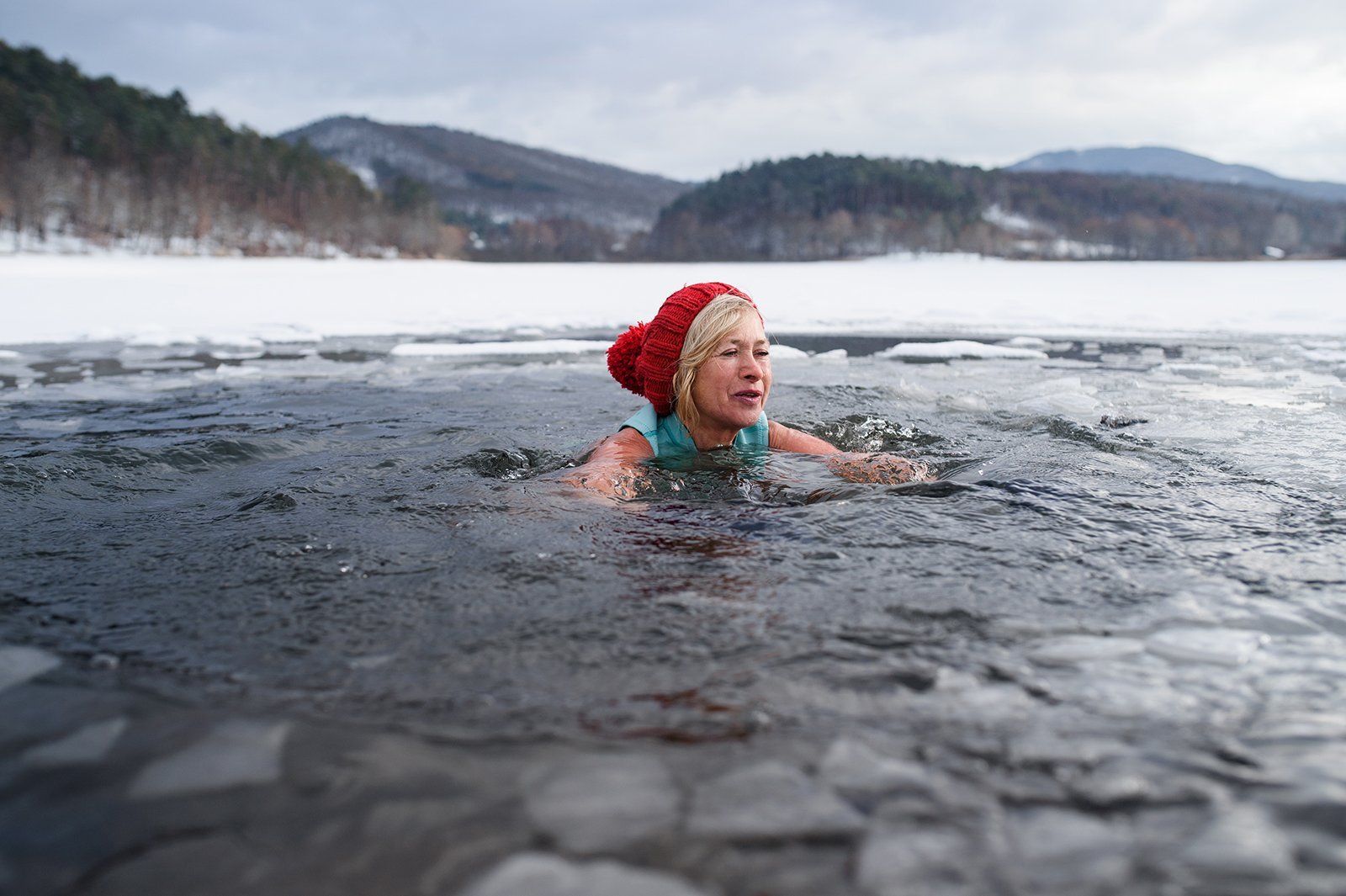
Cold plunge therapy, the practice of immersing your body in cold water, is gaining attention for its wide-ranging benefits in promoting health and longevity. This therapeutic practice is not only refreshing but also backed by scientific evidence supporting its role in improving circulation, enhancing recovery, and supporting overall well-being.
How Cold Plunge Therapy Works
When you immerse your body in cold water, it triggers a physiological response that includes vasoconstriction (narrowing of blood vessels) followed by vasodilation (widening of blood vessels) upon leaving the cold environment. This process helps improve circulation by stimulating blood flow, and delivering oxygen and nutrients more efficiently to tissues and organs. Additionally, cold exposure promotes the release of norepinephrine, a neurotransmitter that boosts alertness and focus while reducing inflammation.
Circulation and Cardiovascular Health
Improved circulation from cold plunges enhances cardiovascular health by training blood vessels to contract and expand more effectively. This adaptive response can help reduce blood pressure and improve heart function over time, making it a powerful tool for longevity.
Boosting Recovery and Reducing Inflammation
Cold water therapy is widely used by athletes to aid recovery. It reduces inflammation in muscles and joints, alleviates soreness, and speeds up the healing process by decreasing tissue temperature and slowing down inflammatory responses. This makes it a valuable practice for both injury prevention and rehabilitation.
Longevity and Holistic Benefits
Cold plunges are associated with enhanced longevity due to their cumulative effects on physical and mental health. Regular cold exposure strengthens the immune system, reduces chronic inflammation (a key factor in aging), and supports mental resilience by reducing cortisol levels and promoting endorphin release.
Getting Started with Cold Plunge Therapy
To safely incorporate cold plunge therapy into your routine:
- Start gradually with shorter sessions in cold water to allow your body to adapt.
- Ensure the water temperature is between 50–59°F (10–15°C) for optimal benefits.
- Consult with a healthcare provider if you have cardiovascular conditions or other health concerns.
Incorporating cold plunge therapy into a broader wellness plan that includes balanced nutrition, regular exercise, and stress management can help maximize its benefits.
For further insights into the science behind cold water therapy, explore detailed studies and guidelines to make this practice part of your health journey. The evidence continues to show that cold plunges are not just a wellness trend—they’re a path to a healthier and more resilient you!
Conclusion
Ready to dive into the life-changing benefits of cold plunge therapy? At Modern Endocrine, we are committed to helping you achieve your health and longevity goals through innovative, evidence-based treatments. Cold plunge therapy is a powerful tool to improve circulation, boost recovery, and enhance overall well-being—all while providing that refreshing, invigorating reset your body craves.
Our team of experts is here to guide you through this revitalizing experience, ensuring your safety and comfort every step of the way. Whether you’re looking to accelerate recovery, support your metabolic health, or simply take a proactive step toward wellness, our cold plunge therapy is the perfect addition to your routine.
Schedule your session today and take the plunge toward a healthier, more vibrant you! Call us at (405) 286-1571 to book your appointment. Don’t just chill—thrive!
References
Costello, J. T., Donnelly, A. E., & Karki, A. (2010). Effects of whole-body cryotherapy (-110°C) on proprioception and acute soft tissue injury. Scandinavian Journal of Medicine & Science in Sports, 20(1), 129-142.
Ihsan, M., Watson, G., & Abbiss, C. R. (2016). What are the physiological mechanisms for post-exercise cold water immersion in the recovery of exercise-induced muscle damage? Journal of Sports Medicine, 46(8), 1095–1112.
Lundell, K., Ekblom-Bak, E., & Nordström, P. (2021). Effect of regular cold water immersion on cardiovascular risk factors and functional capacity in middle-aged adults. Journal of Science and Medicine in Sport, 24(1), 39–45.
Broatch, J. R., Petersen, A., & Bishop, D. J. (2018). The influence of post-exercise cold-water immersion on adaptive responses to exercise: A review. Frontiers in Physiology, 9, 1468.
Ebreo, C., Tang, J. C., & Browne, D. (2020). Cold water immersion therapy as a novel intervention for mental health improvement. Journal of Affective Disorders, 277, 76–84.