
The Impact of Vitamin and Mineral Deficiencies on Your Health
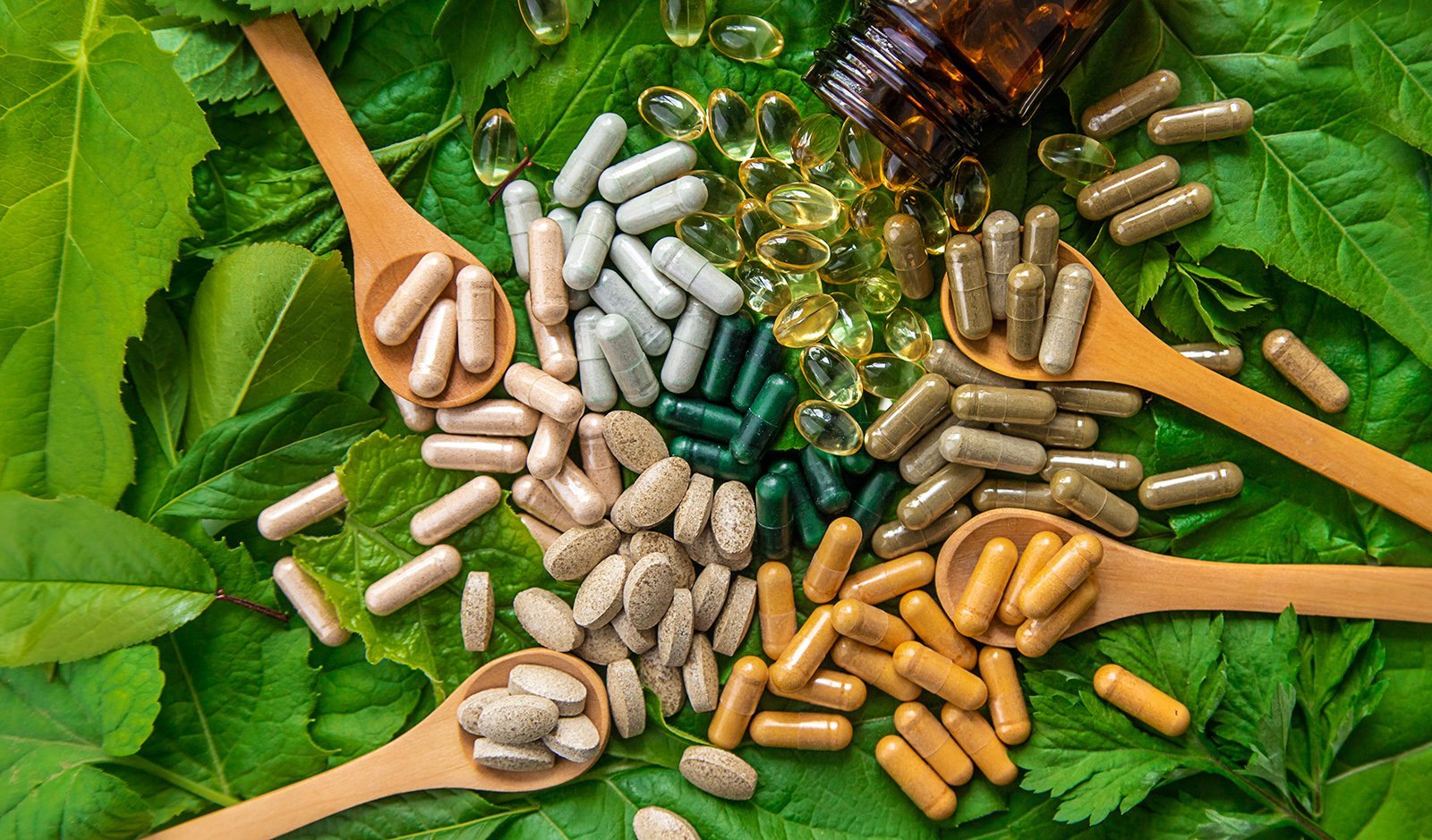
Optimal health and well-being are deeply intertwined with adequate levels of vitamins and minerals. Nutritional deficiencies can significantly impact endocrine health, energy production, immune function, and much more.
At Modern Endocrine, we provide comprehensive evaluations and personalized recommendations to address deficiencies and support your overall health. Here, we’ll dive into three essential nutrients: Vitamin D3, Vitamin B12, and Iron, and their roles in your health.
Vitamin D3: The Sunshine Vitamin
Vitamin D3 isn’t just for strong bones—it’s vital for energy production, thyroid health, immune support, and even cancer prevention. It plays a key role in muscle function, balance, and healthy hair and nails. However, maintaining adequate levels of vitamin D3 can be challenging.
- Target Levels: Aim for a vitamin D level of 60–80 ng/mL. Patients with a history of solid organ cancers may benefit from higher levels but should not exceed 100 ng/mL.
- Supplementation Tips:
- Take vitamin D3 with healthy fats like avocado, eggs, or salmon to enhance absorption.
- Avoid high doses without Vitamin K2, as this can cause vascular calcification.
- Pregnant individuals should avoid Vitamin K2 and A, focusing solely on D3.
- Typical dosing includes Dynamic D-K2 (2 tabs daily for deficiencies, then 1 tab for maintenance).
With nearly 30% of the population affected by genetic polymorphisms that impair vitamin D metabolism, tailored supplementation is key.
Vitamin B12 and Methylation: A Powerhouse for Cellular Health
Vitamin B12 and methylation pathways are foundational for energy production, DNA synthesis, neurotransmitter regulation, and immune cell function. Unfortunately, about 60% of North Americans have difficulty converting inactive folate into its active form (5-MTHF) due to MTHFR gene mutations, leading to various health challenges.
- Signs of Deficiency or MTHFR Gene Mutations:
- Fatigue, depression, migraines, and hormonal imbalances.
- Increased risk for conditions like cardiovascular disease, autoimmune thyroid disorders, and chronic fatigue.
- Optimal Levels: Vitamin B12 levels should exceed 650 pg/mL, with no symptoms of poor methylation.
- Supplementation Recommendations:
- Mighty Methylfolate or BioTe Methyl Factors Plus provide essential B vitamins for the methylation cycle.
- Dosage varies based on levels and symptoms.
Addressing these deficiencies can significantly improve energy, mental clarity, and overall resilience.
Iron: Essential for Energy and Vitality
Iron plays a pivotal role in oxygen transport and red blood cell production. Iron deficiency is common, particularly in menstruating women, and can lead to fatigue, hair loss, migraines, and even heart complications.
- Target Levels: Aim for ferritin levels between 50–100 ng/mL. Levels below 20 ng/mL can be dangerous and may require iron infusions.
- Supplementation Tips:
- Take elemental iron at night on an empty stomach or with vitamin C to enhance absorption.
- Avoid taking iron with dairy, magnesium, or vitamin D3, as they hinder absorption.
Proactively addressing iron deficiencies can restore energy, improve balance, and prevent long-term complications.
Why It Matters
Vitamins and minerals are the building blocks of a healthy, thriving body. Left unchecked, deficiencies can disrupt hormones, energy levels, and overall wellness. A personalized approach to evaluating and managing these deficiencies can lead to better health outcomes and empower you to feel your best.
At Modern Endocrine, we’re here to support you with customized evaluations and recommendations. Ready to take control of your health? Contact us today to get started on your journey to optimal wellness.
References
- Holick, M. F. (2007). Vitamin D Deficiency. The New England Journal of Medicine, 357(3), 266–281.
- Zittermann, A., & Gummert, J. F. (2010). Nonclassical vitamin D actions. Nutrients, 2(4), 408-425.
- Rizzo, G., et al. (2021). Vitamin B12 among Vegetarians: Status, Assessment and Supplementation. Nutrients, 13(3), 1062.
- WHO. (2008). Worldwide prevalence of anemia 1993–2005. Global Database on Anemia.