
Mold Toxicity: The Hidden Root of Chronic Symptoms You Can’t Explain
If you’ve been struggling with fatigue, brain fog, or strange symptoms no doctor seems able to explain, you’re not alone. Many patients come to me saying, “My labs look normal, but I feel anything but normal.”
When I dig deeper, mold toxicity is often the missing culprit. Exposure to mold hides in plain sight, and unless you know what to look for, it can quietly disrupt your hormones, your energy, and your long-term health.
How Common is Mold Exposure?
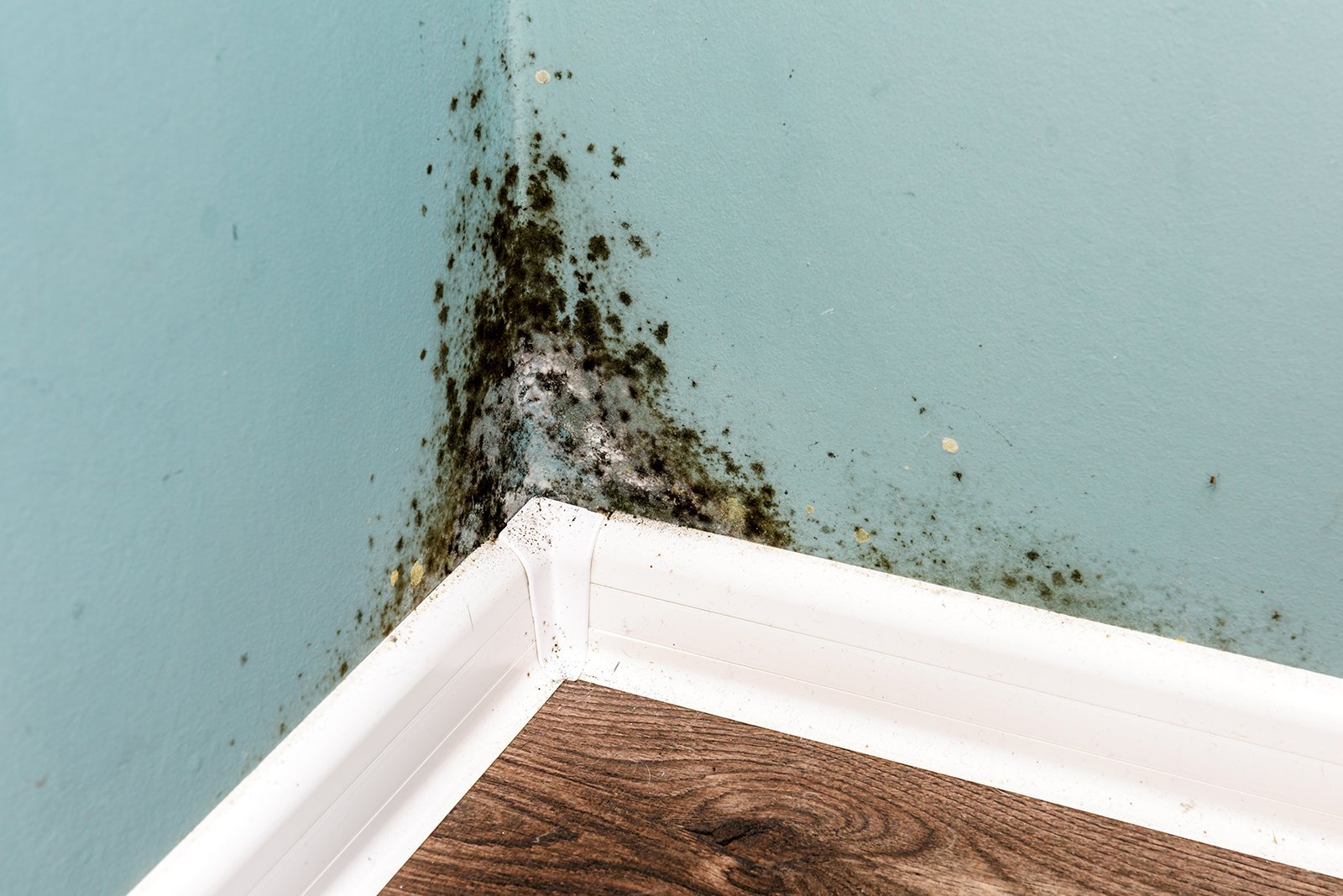
You don’t have to live in a damp basement to be exposed to mold growth. It grows anywhere there has been water damage: behind drywall, under carpets, around leaky sinks, and inside HVAC systems. Even if you can’t see mold, mold spores and mycotoxins—the toxic compounds molds release—can circulate through your environment as an ongoing health risk.
Travelers are often exposed without realizing it: a “musty” smelling vacation rental, hotel room, or rental property can be a trigger. Because mold is everywhere, exposure can be continuous and insidious.
The Most Common Symptoms People Miss
What makes mold toxicity so challenging is how nonspecific the symptoms often are. Patients frequently see multiple specialists before anyone considers mold.
Common symptoms of mold exposure include:
- Cognitive changes: memory loss, persistent brain fog, difficulty concentrating
- Hormone issues: irregular cycles, thyroid dysfunction, adrenal fatigue or poor resilience
- Gut problems: bloating, diarrhea, constipation, nausea
- Systemic inflammation: joint pain, headaches, chronic sinus issues, asthma symptoms
- Mood shifts: anxiety, depression, irritability
Because these overlap with dozens of conditions, mold toxicity is often dismissed as “stress” or “just aging” (RealTime Labs, 2023).
How Mold Damages Hormones and Mitochondria
In functional medicine, we know that mold’s impact goes far beyond the lungs. Mold-derived mycotoxins disrupt the hypothalamic-pituitary-adrenal (HPA) axis, which in turn interferes with cortisol regulation and sex hormone balance.
In women, I often see worsening PMS, infertility struggles, or perimenopausal symptoms that don’t respond to standard care. In men, low testosterone, poor recovery, and fatigue are common complaints.
Mold also attacks your mitochondria—the powerhouses of your cells. When mitochondria are damaged, you generate less cellular energy, which means fatigue, exercise intolerance, and brain fog become daily companions (Maderis, 2023).
How to Test for Mold Toxicity
When I suspect mold exposure, we don’t guess—we test. My in-clinic protocol typically includes:
- Urine mycotoxin testing to measure mold toxins leaving the body. Some research found over 90 % of patients with chronic fatigue had detectable mycotoxins in urine.
- Inflammatory/immune markers (“CRP,” “TGF-beta1,” “MMP-9”) to assess immune activation and chronic inflammation.
- Comprehensive hormone panels to assess how exposure is disrupting cortisol, sex hormones, and thyroid.
- Environmental history and home/work evaluation, because unless the source of exposure is removed, healing is much harder.
In-Clinic Application: My 4-Step Protocol
In your consultation with me, here’s how we move forward:
- Identify and eliminate the mold exposure. We trace water damage, HVAC issues, musty buildings, and frequently travel history. Without addressing this, all other therapy is undermined.
- Bind and clear toxins. We use specific binders (e.g., activated charcoal, bentonite clay, specialized mycotoxin binders) to capture mycotoxins in the gut and help your body remove them.
- Support detox pathways. The liver, kidneys, lymph, and gut all need to be boosted. We use targeted nutrients (glutathione, N-acetyl cysteine, sulforaphane) and optimize gut health so you can properly detox.
- Rebuild hormones, mitochondria & resilience. Once toxins are lowered and environment stabilized, we proceed with hormone optimization (if indicated), mitochondrial support (CoQ10, NAD+, mitochondria-target nutrients), and lifestyle interventions (quality sleep, detox-supportive diet, stress reduction).
Why Functional Medicine Matters for Mold Toxicity
Standard medical care often misses mold as the root cause because labs may appear “normal” and symptoms are broad. Yet in functional medicine, we link the dots: exposure → toxin load → immune dysregulation → hormone disruption → mitochondrial fatigue.
One peer-reviewed review states that mycotoxins may exacerbate pre-existing immune dysregulation, chronic inflammation, or autoimmunity. This highlights that mold isn’t always the sole cause, but a major catalyst in many complex, chronic cases.
New Insights & Cautions
It’s important to note that some professional organizations caution against over-diagnosing mold toxicity without solid validated tests. For example, the American College of Medical Toxicology states inhaled mycotoxins in typical indoor settings don’t have strong evidence for systemic toxicity.
In my clinic, we balance this by using evidence-informed testing, paired with other root-cause markers and a strong environmental evaluation. If labs, history, and symptoms all align, the protocol moves forward. If not, we may pivot to other root causes.
Practical Tips: What You Can Do Today
- Inspect your living/work environment for musty smells, condensation, leaking pipes, recent water damage, or visible mold, especially black mold.
- Improve indoor air by using dehumidifiers (ideal RH around 40–50 %), HEPA filtration, and controlling humidity.
- Focus on a low-toxin diet—reduce processed foods, sugar, and refined carbohydrates, and support with fresh vegetables, clean protein, and adequate hydration.
- Support detox by optimizing sleep (7–9 hours nightly), reducing chemical exposures (clean personal care products), and including gentle movement and breathwork to support lymphatic flow.
- Keep a symptom and exposure diary, noting when symptoms flare relative to travel, water damage, or environmental changes.
Final Thoughts
If you’ve been chasing answers with no results, mold toxicity may be the hidden root of symptoms no one else can explain – it’s not just a random allergy.
The good news? Once identified and treated, the trajectory changes. Restoring your environment and your biology allows your body to reset, rebalance, and thrive again.
In functional medicine, we don’t accept “labs look fine” and “you’re just stressed” as the final answer. We dig deeper. We test, evaluate, and tailor your treatment so you’re not just surviving—you’re thriving.
Ready to uncover if mold is behind your symptoms? Schedule a consultation today—and let’s design your personalized mold-toxicity evaluation and healing plan.
References
Brewer, J. H., Thrasher, J. D., Straus, D. C., Madison, R. A., & Hooper, D. (2013). Detection of mycotoxins in patients with chronic fatigue syndrome. Toxins, 5(4), 605–617. https://doi.org/10.3390/toxins5040605
Hope, J. (2013). A review of the mechanism of injury and treatment approaches for illness resulting from exposure to water-damaged buildings, mold, and mycotoxins. The Scientific World Journal, 2013, 767482. https://doi.org/10.1155/2013/767482
Shoemaker, R. C., & House, D. E. (2006). A time-series study of sick building syndrome: Chronic, biotoxin-associated illness from exposure to water-damaged buildings. Neurotoxicology and Teratology, 28(5), 573–588. https://doi.org/10.1016/j.ntt.2006.07.005