
What If Your Migraines Aren’t Just in Your Head?
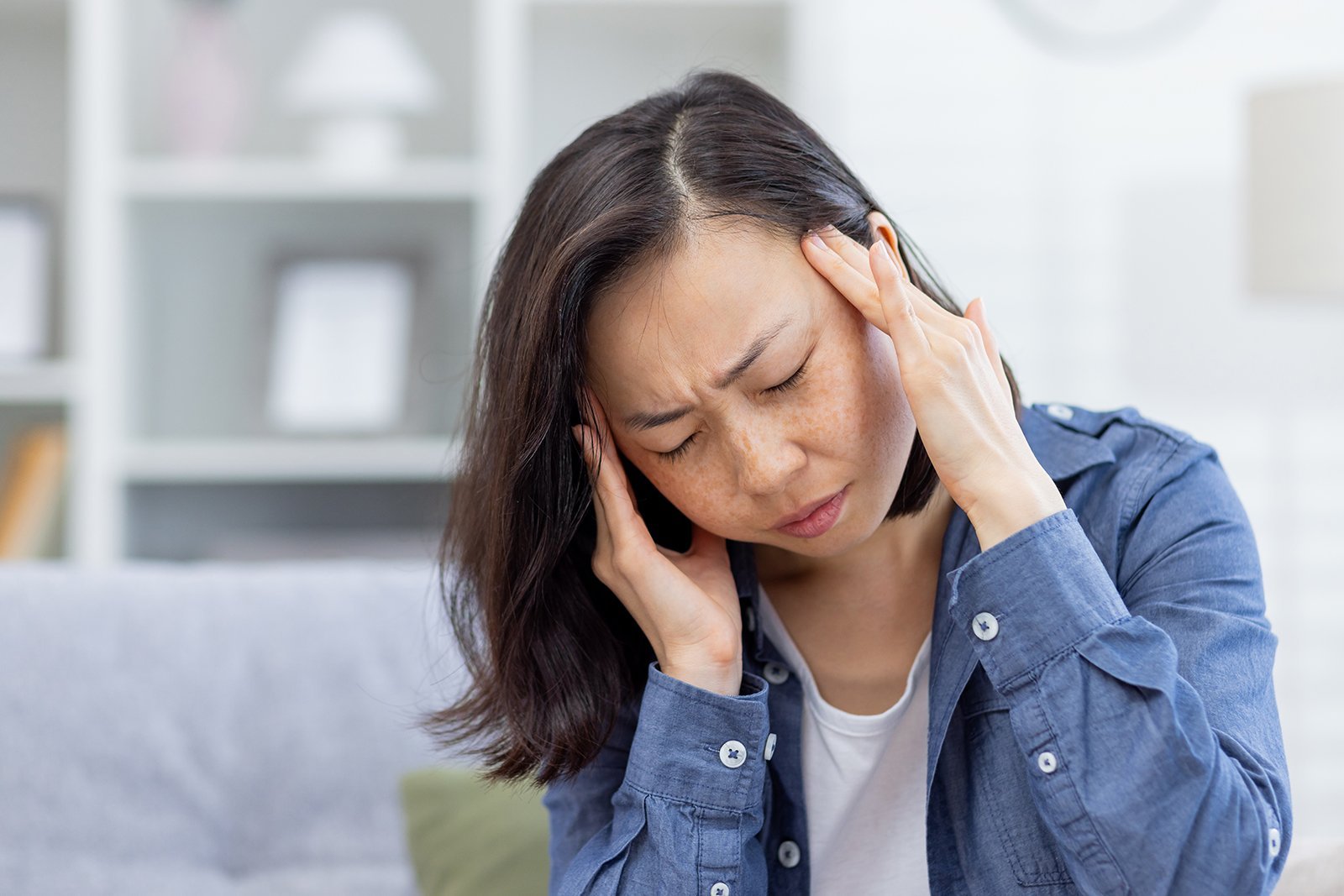
Could your migraines be less about pain in your head—and more about hidden imbalances in your hormones, gut, and environment?
In this episode of Hormones, Metabolism, and You, Dr. Cassie Smith sits down with functional medicine pharmacist Dr. Meg Mill to uncover the surprising root causes of chronic migraines—especially in women navigating hormonal shifts like menstruation, perimenopause, and menopause. Together, they explore how more than 50 potential triggers can fuel migraine symptoms, from dehydration and poor sleep to gut health issues, estrogen dominance, and histamine intolerance.
Dr. Mill shares how functional medicine helps uncover these connections and provides a roadmap for lasting relief. They discuss the power of personalized migraine tracking, hormone and gut testing, and targeted protocols to reduce inflammation and rebalance the nervous system. Whether you’ve suffered for years or are newly struggling with hormone-driven headaches, this episode is a must-listen.
💡 Functional migraine solutions are within reach—no endless prescriptions required.
Cassie info and links:
Check out the website
Follow Cassie on Instagram
Follow Cassie on Facebook
Follow Cassie on YouTube
Follow Cassie on TikTok
Guest info and links:
Dr. Meg Mill is a functional medicine pharmacist, bestselling author, and host of A Little Bit Healthier podcast. With 20+ years of clinical experience, she helps women around the world resolve migraines, hormonal issues, and histamine-related symptoms. She’s the founder of the Radiant Method, which empowers women to regain energy and clarity through root-cause healing.
Blog/Transcription:
0:05 Welcome back to this week’s episode of Hormones, Metabolism, and You. I’m your host, Dr. Cassie Smith. I’m a board-certified endocrinologist who’s
0:12 also a functional medicine physician based out of Oklahoma City with a license to see people tellalth and
0:18 virtually in 43 states, including California, Florida, and New York. Today, I have an amazing guest and a
0:25 good friend, Dr. Meg Mill. She is a functional doctor of clinical pharmacy
0:31 and she kind of specializes in histamine and migraines. And so I wanted to bring
0:36 her on because migraines are a pretty hot topic and we talked about so many
0:42 amazing things when it comes to migraines. Migraines are one of the most debilitating things for women especially
0:48 in hormonal years. So anytime that we’re menrating and then as we become menopausal because hormone shifting can
0:54 cause migraines. And so it’s chronically debilitating in some people, not only physically, emotionally, but just
1:00 literally impacts their lives to where they can’t go to work. And there are actually ways that you can treat this, you guys. And from a functional medicine
1:06 perspective, this is what Dr. Meg does, and I love that. And she has programs and different things you can do. She’s
1:12 also kind of becoming a little expert in histamine as well, which is a hot topic. So I did ask her some things about that.
1:18 But we basically just walked through. She told me there were 50 reasons you can have migraines. 50. 50. And so some
1:25 of it is a combination, but we talked about some of the top things which are dehydration, sleep issues, food
1:32 triggers, and we list a bunch of food triggers, one of which is wine. So I’m sorry, but wine is a trigger. And then
1:38 we talked about hormones and how high estrogen compared to progesterone or estrogen dominance really, really
1:44 affects migraines. What environmental triggers can actually cause migraines?
1:50 We talked about how working with a functional medicine provider like herself or modern indocrine is different than traditional medicine. Why we think
1:55 traditional medicine has failed especially in the realm of migraines. And then we also talked about some very
2:02 simple basic things that people who suffer from chronic migraines or headaches can do to help them feel
2:08 relief. So I thought that this was a very interesting episode. It’s something that you can definitely listen to and
2:14 then implement to hopefully decrease the severity and intensity of migraines almost immediately. So again, I just I
2:21 love this episode. And just a little bit about Dr. Meg Mills. She’s a leading women’s health expert, a doctor of
2:27 clinical pharmacy, and a certified functional medicine practitioner with over two decades of clinical experience.
2:32 She helps women around the world resolve chronic symptoms like fatigue, digestive issues, migraines, hormonal imbalances,
2:38 and histamine related conditions, especially when conventional medicine has failed them. She’s the creator of
2:43 the Radiant Method, a proprietary root cause framework that empowers women to rebalance their body, regulate their
2:49 nervous system, and reclaim their energy, clarity, and confidence. She is a best-selling author and a host of a
2:55 top podcast, a top rated podcast, A Little Bit Healthier. I’ve actually been on that podcast. She’s also a
3:01 sought-after speaker and summit host. Her work has been featured on Fox News, CNN, ABC, NBC, CBS, and Forbes. So, I
3:10 hope that you all love this episode as much as I loved recording it. I think it’s going to be very powerful and help
3:16 a ton of people. Today, we’re going to talk about migraines. So, one of everyone’s favorite things. So, I have
3:23 Dr. Meg Mills and she is kind of an expert in this topic and so I brought
3:29 her on to talk to you guys. I know you guys have a lot of questions about headaches and she talks a lot about migraines and so we’re going to just
3:34 kind of talk a little bit about, you know, what causes migraines, what makes them worse, are they hormonal? Is there
3:41 certain food? So, we’re so excited to have you on our podcast. Thank you for joining us today.
3:46 Thank you so much for having me. Yeah. So maybe start off by telling
3:52 everyone sort of what you do every day. I think that’s always helpful. Like you know, you’re a doctor, what do you do?
3:58 What do you practice? What sort of patients do you see? And kind of what got you interested in what you’re doing
4:03 now before we kind of dive in and talk about one of the most common conditions that women suffer with, which is great.
4:10 Well, yes. Thank you. So, I have a virtual functional medicine practice. So, I work with people all over the world, mostly women, and um really
4:18 working on putting our body back into balance. And I think that there’s so many people, so many probably of your
4:25 listeners that have been just let down by the conventional medical system. And I was one of those people. So, that
4:32 actually is what, you know, I think a lot of us have these personal stories, which is what led me to this place. I
4:37 was really having a whole host. I was and I was really young at the time. So,
4:42 I was going into different doctors. We moved around a lot at the time and here I am in like, you know, in the medical
4:48 field and I’m going to see specialists and I’m being told, “Oh, you’re fine. You’re the picture of health. You know,
4:53 you everything looks great.” And I’m like, “I can’t eat. I’m having terrible anxiety. Like, all of these things are
5:00 going on. I can’t figure it out. There is something wrong here. Like, I’m not imagining this.” So, I started doing my
5:06 own research. And this is back before really there was a lot out there. You know, we’re so lucky that so much has
5:13 emerged in the last 20 years, but it’s finding out like what’s going on. So, I started doing research and I found
5:19 functional medicine and I really started to dive in and really heal myself first where I’m like, okay, these are things
5:26 that are actually moving the needle when I heal my gut. I, you know, I all of the steps and really we can get into some of
5:31 them um that I took personally and then I was like, okay, I need to make a change. I need to you know really go
5:37 back and get certified in functional medicine. So I really made a shift and went back and now I work with women like
5:43 I said all over the world. And what I started to do see is that in my like
5:49 when people were coming one of the most common complaints like you were saying is women suffering with headaches and
5:55 migraines. And I I noticed like two patterns either they were suffering with with headaches or migraines and told you
6:03 know you’re going to have to live with this. This is just the way it is. were giving just like band-aid approaches to get rid of the pain or they were so they
6:10 were coming for that purpose or they were coming for something completely different and they were normalizing it.
6:16 They had suffered so long and no one had heard of them and it was just like, “Oh, I’m coming in for this.” And we’re I’m
6:22 like, “Yeah, but you are getting migraines three times a week or like, you know, every month before your period.” And you’re not even bringing
6:29 that up. You know, that’s not even like top of your list. And you’re like, and they were saying, “Well, that, you know,
6:34 that’s I just have the migraine gene or I’ve been told, you know, that that I just have these. They run in my family.”
6:40 So, we’re we’re normalizing it. And then people can make these huge transformations where it just they go
6:45 away. they don’t have to run their lives around their next headache. And it really is so impactful. Yeah. And I can imagine, you know,
6:52 migraines are probably one of the top losses of revenue and productivity for
6:57 women in the reproductive age because so many of them are hormonal, right? And so I think that is an important topic that
7:04 a lot of people probably do get, you know, for a lack of a better word, gas lit by their providers or just like, oh,
7:10 you know, or they try to blame it on you, right? like, well, it’s your lack of sleep or it’s too much caffeine or whatever. And to your point, there are
7:18 some specific things that can be done sometimes that will actually be very impactful and change people’s lives. And
7:23 I had really bad migraines, too, in my 20s and in medical school. And it can be pretty debilitating. Like when I get one
7:30 every now and then, I’m like, “Oh, it’s awful.” Right. Yes. And you’re living around the next migraine. They’re really something that
7:36 when you’re making some health health changes, sometimes things you don’t feel as much. So it’s like you’re shifting
7:42 slowly, but you know how how many migraines you get. You know the pain and you’re living around like when is the
7:48 next migraine coming. So it’s really nice like the freedom women feel when they don’t have to live their life
7:53 around this too. Yeah. And so I think so to answer the first question which is why are you so
8:00 particularly passionate about working with people suffering from migraines? It probably stems from the fact that that
8:05 you had them, right? And then as a provider, you’re seeing how much impact it has on people’s lives to fix it. But
8:12 one of the other questions I wanted to ask that I think listeners will be very interested in is you’re a functional
8:17 medicine provider just like me, which is why I like having people like you on my podcast, right? How do you treat people
8:22 differently than if they go to their regular PCP? So, if they come to see a functional medicine provider, especially
8:28 you, and they’re having chronic migraines, how do you approach it differently than traditional health care, which has obviously failed us and
8:35 and them for many years? Yes. So, really the main focus of traditional health care is putting a
8:41 band-aid on. We’re going to reduce the pain. So, we’re really generally speaking not doing all of that much to
8:48 actually reduce migraines. It’s like, okay, you get a migraine, you’re going to be put on a tripan or you’re going to
8:53 have a, you know, a lot of abortive medications just to decrease the pain, but we need to flip it around and we
8:58 need to say, why are you getting the migraines? When I’ve mapped it out before and there’s like over 50 reasons
9:04 that people can get migraines and they’re in combination. So, sometimes, you know, it can be certain things or
9:10 one thing that’s triggering, but most of the time there’s a wide variety of things together that’s putting you over
9:16 a threshold of when you’re having the pain. And so one of this is a silly analogy, but someone said this to me
9:23 years ago and I was like, “Oh, this actually sounds like appropriate when we’re talking about this topic is if you
9:29 went to a mechanic and you took them in and you gave them the keys to your car and you said, “My car is making a
9:34 noise.” And they they said, “Okay.” And they walked away and they came back and they handed you a pair of earphones. And
9:41 they handed you your keys back and said, “Drive away in this car.” And you’d be like, “No way. I’m not getting in the
9:47 car. It’s not fixed.” And that’s essentially kind of what we’re doing. We’re saying we’re not even going to address the imbalance. Like what’s wrong
9:53 that’s going on that’s telling your body, okay, pain is here. You know, that’s actually giving you a signal.
10:00 We’re not necessarily going to look at the signal. We’re just going to put something to cover it up. I love that car analogy. I’m probably
10:06 going to steal that for lots of things in my life. So, yeah. So functional medicine is just the practice of
10:11 actually looking at you as a whole, looking under the hood, figuring out what’s going on so that you can fix
10:18 those things and hopefully just fix the root cause of the problem and not over medicate it, right? Or overlame
10:24 yourself. So, so I love that. I think that that’s very important that people understand that. And so you’re the
10:30 mechanic that’s gonna like open the hood, look at the oil, look at everything that could cause it to have
10:36 those sounds, and then try to figure out what’s causing the sound, right? Yes.
10:42 We need on Yes. And I think it’s also interesting that
10:47 traditional medicine, right, like we’re so fast to write prescriptions like that, like a tripan in this case, but
10:54 then really not thinking, okay, well, how does that medication work? like what is the mechanism of action and if that
10:59 is making the headache better what else could we do like that that maybe
11:04 wouldn’t have these side effects or that wouldn’t cause somebody to to need this medication right so it’s just very
11:10 interesting how medicine has evolved and western medicine is so much different than eastern medicine too right
11:16 I know exactly and it and I mean we can combi combine them I think you’re doing a great job of that and really bringing
11:23 things together because it’s not terrible I know like even in Eastern medicine it’s like oh that you know
11:28 they’re doing things wrong and we’re saying okay in a lot of ways they’re doing great things so we don’t want to
11:34 bash it but at the same time like we’re missing the boat on so many things and you can feel better and I think that’s
11:40 just like people lose hope it’s like it’s just feels like I have to live with this I’m never going to feel better and
11:47 I that’s what just makes me so sad and so if there’s one thing that you take away from our entire conversation is
11:52 that you can have hope that you can live particularly if we’re talking let’s say about this topic or and so many other
11:59 topics, but if you have migraines or you’re suffering with constant headaches or anything like that, you can feel
12:05 better. I’ve worked with people who have had migraines every single day where they, you know, really couldn’t even
12:10 work because it was so bad living lives that are, you know, they’re not living around their migraine. We can’t say
12:16 you’ll never have another headache, but you won’t have to live like that. You don’t have to base your life on the pain
12:24 and is it coming? we generally will start to see the in the decrease in
12:29 severity first. So just a pattern over the years of working with so many people and this generally I see that they
12:35 become less severe as we’re working on bringing everything back to balance and then we’ll start to see them spread out
12:41 more. So we see like severity go down generally and then incidents but it it’s a little bit different for everyone.
12:47 Yeah. And that’s so powerful because if you have one of these debilitating migraines that you know keeps you from going to work and at least you can
12:53 change the severity to it’s a painful headache but maybe you can get something done productivity-wise. I mean that in
12:59 itself is is huge right? If you’re having a migraine three times a week and now you’re having it one that’s huge
13:04 too. I mean that’s a 66% reduction in headaches. So, and I think and hopefully
13:10 people I I think you bring up a good point like hopefully people hear us that you know the downside of conventional treatment is that although you may you
13:18 know treat it when it’s acutely happening we’re not chronically preventing it right and I think that’s
13:23 the main downside that people have to understand and traditional health care you know is sometimes needed but
13:29 bandating things long term when we’re not acute you know when we’re not dying is not a good thing like and I say this
13:34 all the time like I’m going to go to a hospital if I need surgery and see a surgeon or get my bone fixed or but but
13:40 what I don’t love about traditional healthcare is just this chronicity of diseases that we just continue to put
13:46 band-aids on instead of addressing the cause and trying to actually like you said decrease the severity or or you
13:52 know decrease the frequency of of the issue. Yes, absolutely. And and really we c and
13:58 I think what’s amazing is that we can and sometimes I think just knowing and feeling empowered and thinking there’s
14:05 something that can be done. It’s not me. It’s not my genetics. It’s not a problem
14:11 with me. It’s something that there’s just generally these imbalances that we have to put your body your body wants to
14:18 heal. So, how do we guide you to put things back in order where your body’s in this place where it’s not signaling
14:24 the pain anymore? Yeah. No, I love that. So, you mentioned that there are 50 reasons you can have
14:29 migraines individual or like the combination. So, like I can think off the top of my head,
14:35 food, you know, stress, lack of sleep, hormones. Those are like the big ones I
14:41 can think of. Are there any that I’m missing that are big ones that would surprise people that we could just list
14:47 or are those We can start with we can go and we can go through them, but we can start with
14:52 let’s start with like simple so that it’s you know takeaways. What can you do? So, dehydration is you know an
14:59 independent risk factor. So, are you staying hydrated and are you sipping like these are like little things that
15:06 we even have to look at like are you sipping your water through the day? So, a lot of people are drinking a lot of their water at meal times or in big
15:13 gulfs. It’s like, oh wait, I didn’t drink. I’m going to, you know, jug chug my water bottle here. And a lot of
15:20 that’s going through you because when you’re drinking so fast, can your body process all that fluid at the same time?
15:26 So, taking sips throughout the day can be really helpful. adding electrolytes can be helpful. So we want to think of
15:32 cellular hydration. We actually want to make sure that that water is getting into the cells. And then another thing
15:38 that is, you know, an easy free thing is sleep. I mean, so are you actually
15:43 sleeping? And I think that’s one of those things that we just need to like shine the mirror on ourselves and our own lives and say like, do I prioritize
15:50 sleep? that’s something that am I staying up an hour later because it’s like that’s the time I relax or you know
15:57 do I what are you really prioritizing sleep because I think sometimes that like we don’t so we need to I’m that’s a
16:04 non-negotiable for me these days it’s like nope my sleep is really important no matter what I’m doing so those are
16:11 those are like free and easy so then we can move on to food and so food is a
16:16 little bit more complicated when we’re talking because there’s two different patterns that we see when we’re looking
16:23 at food. So, we have foods that we know trigger migraines like that are like
16:29 historically more migraine triggers. So, we’re talking when we say this more about foods that have histamine. So,
16:36 like fermented foods, age cheese, like sometimes healthy foods that you think
16:42 like tomatoes and strawberries and avocado or some high histamine foods. But then we’re also thinking of tyramine
16:48 containing foods, salicellates, which are citrus. So like the lemon water
16:53 you’re drinking to help with detox, like that could actually be contributing to your migraine. So this is like a point.
16:59 They’re not always unhealthy foods, but they might not be serving you right now until you get things back in balance. So
17:06 we also have nitrates, sulfites, MSG, aspartane, like artificial coloring and
17:12 flavor. So all of those we’re looking at a bucket of like okay those are like if
17:17 you probably you might have heard of the migraine diet if you’re someone who’s like been searching. So a lot of those
17:23 foods are in there. So bringing those foods down really will lower your threshold potentially. So the the thing
17:31 that is a little bit confusing here and then we’ll talk about the other bucket but the thing that can be confusing here I think for a lot of people is that
17:37 there’s a lot of factors that go into the threshold that’s going to actually give you the headache. So, it’s not
17:44 consistent throughout the month necessarily or depending on your stress or your environment or your hormones.
17:49 So, I’m going to use wine for an example because it’s a big one. So, people say, “Okay, well, I had a glass
17:56 of wine and it caused me to have a migraine and then I had another glass of
18:02 wine and like a week later and I’m sp I was fine. So, it’s not the wine.” Well,
18:07 it could be the wine in combination with age cheese in combination with you ovulating and your estrogen spiking and
18:14 another day, you know, or or like another day you or you didn’t sleep and another day you were in maybe your
18:20 follicular phase and everything was balanced and you didn’t have other combinations. So, I think that can be
18:26 tricky for people because it’s not always the same every time. So, it’s not like you can just see like every time I
18:32 eat this food. Now some people can but there is a little investigation here that we need to do. So how do we do
18:38 that? Yeah. So one of good question. So very intrigued for all you women out
18:43 there who are like the wine. Yes. Like and the other thing I want you to ask too is or I want you to answer as well
18:48 with the wine is like does it matter if you’re cycling versus not? Does it matter if you’re on consistent hormones?
18:54 Like will that change? Well, it’ll be more consistent. So I think when you’re cycling the thing is
18:59 you know and then we’re erratic in pmenopause. So you know when we have the cycle we’re having these change in
19:04 hormones through the month that we know about. So one of the other you know one
19:09 of the other things that are migraine triggers are estrogen dominance over progesterone when we’re seeing high
19:15 levels of estrogen over progesterone and when we’re seeing rapid changes in estrogen. So you know when we’re looking
19:22 there estrogen causes our mast cells which are part of our immune system to
19:27 release histamine. Histamine will be one of the triggers. Histamine can naturally
19:33 cause inflammation because that’s part of its job because but it can be one of those triggers like there’s high
19:39 histamine food. So if you’re eating a histamine food and your estrogen’s high and you know maybe you’re in pmenopause
19:45 and your progesterone’s dropped low that’s going to create like this perfect storm. So sometimes that’s why like in
19:50 pmenopause we will see more we’ll see like the the headaches pick up and then
19:56 menopause sometimes not some women still do get them in you know in menopause
20:01 there’s a lot of reasons but we’ll see them sort of stable we see this hormones stable out so it’s not that you can’t
20:07 but it’s you’re le you’re seeing less variation as one of the factors does that make sense
20:13 yeah for sure because all these things are it’s kind of like when you look at somebody as a whole right like when you
20:18 try to blame same, you know, everyone’s fatigue on or weight gain on their thyroid and it’s like it’s not just your
20:24 thyroid, there’s other things involved, right? And so, same thing here. You’ve got to look at your hydration status,
20:29 you’ve got to look at your sleep, you’ve got to look at your foods in addition to what’s going on with your hormones. So,
20:34 yes, that all makes sense to me. And I do think that’s very interesting that when your estrogen is high and and you
20:40 said something about estrogen dominance. So, interesting thing about estrogen dominance, too. I think that people need to realize, you can have estrogen
20:47 dominance and not have high estrogen levels. So, this is really important for people to understand when you’re
20:52 transitioning through menopause, pmenopause, etc., or even when you have issues with like PCOS and you’re
20:58 younger, if you have low progesterone levels, and also by the way, low progesterone can be caused by stress,
21:05 right? So if you have a lot of cortisol, a lot of stress, pregnnen alolone in our
21:11 adrenal gland is converted to cortisol and progesterone. When you are highly stressed and your body thinks that you
21:17 are under attack or something’s wrong with you because of what you perceive as stress or lack of sleep or dehydration,
21:23 a lot of that pneolone is shunted to cortisol and you don’t make progesterone. When we don’t make progesterone, which a lot of it is made
21:29 in our adrenal gland, not just in our uterus, but we’re making estrogen from our ovaries, your body senses that you
21:36 have estrogen dominance, even if your estrogen is quote normal or even low if you have no progesterone. And so then
21:42 people end up with these symptoms like you’re talking about, like they can get the, you know, even lower amounts of estrogen can get you to release mass
21:48 cells and can end up with histamine issues. And I think there’s a lot of people that don’t catch that because doctors are like, “Oh, you’re not
21:54 estrogen dominant. your estrogen’s not high. Well, it doesn’t matter. What matters is the ratio, right?
22:00 So, I think that’s really important. And do you do you ever use Dutch testing? A lot.
22:05 Okay. So, another really common like I was like, I need to do a study on this because I work with so many people with,
22:11 you know, migraines. But another thing that I see often is the 160 metabolites.
22:17 So the Dutch test will show. So most likely if you’re going into the doctor, you’re, you know, you’re if if you get
22:24 blood at all, you’re only going to get the estradiol levels in the blood. But when we look at a Dutch test, we’re
22:30 looking at the, you know, just a real brief like recap of it. We’re looking at phase one phase in phase two metabolites
22:37 of the estrogen. So exactly what you’re saying. So a lot of times we’ll see low
22:43 estrogen which would have not been caught because your estradiles normal or low but I see a lot of people shunting
22:50 it over to the 160 metabolite in particular with migraines. It’s just a very common thing just working with so
22:57 many people in this that you know my migraine ladies tend not everyone but
23:02 tend to shunt more down the 160. So you have to use it and lose it when it comes to estrogen. And what we’re seeing then
23:09 is we’re seeing low or normal estradiol and high6 metabolites which are creating
23:17 the dynamic of the migraine. So you know just things like shifting that way you
23:23 metabolize your estrogen. We don’t necessarily need to like do any like lowering in a lot of different ways but
23:29 we’re just shifting and optimizing metabolism can really help too. Yeah. No, that’s very very good point.
23:35 And also this is why a lot of times when you do hormone therapy I tell people Dutch tests are great so we can see how
23:40 your body is metabolizing your hormone because if I take a hormone and we give you the same hormone Dr. Meg we’re going
23:45 to metabolize it differently and so then we also can look at okay what can we do to shun our metabolism away from the 160
23:51 pathway or we look at are you having a gut issue and we’re recycling estrogen we’re not getting rid of it or are we
23:58 really constipated and we’re just not pooping so we can’t get rid of it. So there’s so many things again that go
24:03 into hormones. This is why I don’t I mean hormones are not easy and you have to go to somebody who understands all of
24:08 this but to your point the 16 metabolites. Yes, we see a lot of people who have high levels and so then it’s
24:14 like okay you have to work backwards and figure out how do we get our body to actually get rid of these metabolites
24:19 like you said use it or lose it. I like that. Yeah. Well, it helps people understand because it’s like we don’t not want to have
24:26 estrogen. Estrogen is good for us but we want it to clear out. So when it’s building and it’s staying, it’s like use
24:32 it and then lose it. We don’t want it to stay around. Well, how would somebody know if maybe their hormones were contributing to
24:38 their migraines? Like, are there symptoms? How would somebody know like, hey, maybe I should get that Dutch test? Like, what would you tell somebody in
24:44 that case? Well, I think, you know, when especially when you’re seeing them at certain points in your cycle. So, if you’re
24:51 seeing them like, okay, always the week before I get my period, I have a there are people with classic patterns, you
24:57 know, the week before I get my period, I always have a migraine. Or, every time I ovulate, I have a migraine. more, you
25:03 know, there’s you’re seeing this over time, those are definitely like to me like high signals of hormones because
25:09 we’re saying, okay, we’re seeing it that in the pattern. Some even women, if you weren’t really a migraine sufferer and
25:15 then you hit the pmenopause time and now the migraines are coming or getting worse, that’s another like time that
25:22 it’s like, okay, is that the change in your hormones? where like you’re saying if you’re under more stress and now
25:28 they’re starting to come like what’s going on downstream with your hormones and all of those things. So I think it’s
25:34 really looking at patterns. So we you know what we shifted but one of the things that I have people do because you
25:40 were asking me and then we kind of jumped into to hormones but you were saying well what do we do about it? And one thing that that everyone can do
25:46 that’s listening that you is easy is sometimes I’ll have people print out a blank calendar and then when you get
25:54 your migraine write down the last 24 hours. So write down what day of your
25:59 cycle, write down what you’ve eaten, write down your stress level, if you sleep, like if you have were you
26:05 dehydrated, you know, what was your water intake? What was your environment? Were did you travel? Like what are all
26:11 the things? And you don’t have to because I think people don’t want to journal and write down their food all the time. But you don’t have to do that.
26:18 You only have to do it when it’s happening. So it’s a little harder if it’s chronic, but generally, you know, if you’re if you’re not chronic, then we
26:25 can look at patterns. And I can’t even tell you how many interesting patterns have come out from that little trick
26:31 alone. Like you know, okay, every time like I mentioned that lemon water, every time I’m eating drinking lemon water,
26:37 every time I eat olives, some people and it’s really unique, but you’ll start to see your own pattern and you’ll start to
26:45 see like what are the connections and those are important. So don’t ignore those connections like things that show
26:50 up over and over. every day. It’s between day 28 and or you know 24 and 28
26:56 of your cycle. Like those are important connections. That’s a good point. I like that. I
27:01 think that journaling sometimes is really important. We do this for gut symptoms. We do this for a lot of things. And to your point, like you
27:06 don’t have to write down every single thing, but if you are trying to predict a pattern in anything, it’s really helpful to know, you know, your sleep
27:13 and your hydration and your, you know, mood or just in general the food that you’re eating. Hormones are very
27:19 important. So yes, you can see these patterns and then you know that’s so helpful and it might not be that exact
27:24 day but it could be something the day before too because histamine is is a little different, right? So like and I
27:30 want to talk to you about histamine um and maybe this is a good place to do it. But the other thing I wanted to ask you about is like surroundings. Are there
27:36 anything in your surrounding that can contribute to migraines that isn’t just you and your physiology?
27:41 Yeah. So I mean I think when we’re looking at it we’re looking at the overall load. So what is going on? So we
27:47 definitely will see toxicities contribute to migraines. We can see mold contribute to migraines. We can see
27:53 heavy metals. So definitely environment’s important. So really taking a look at your environment. And
27:58 that’s even why I say okay like what’s your surroundings at the time? You can look at little things like do you feel
28:04 better at your home or your office? Do you feel better if you tra like if you travel? I’ve worked with people who have
28:12 like, “Oh, you know what? When I travel, I feel great and then I come back home and my symptoms start coming back.” So,
28:17 there’s these little clues that we’re maybe not even thinking about. It’s just like, “Oh, I’m on vacation.” Well, is it
28:23 or is there something in your environment that’s going on? So, these are really important, but taking little
28:29 steps like are can you put an air filter like an air purifier in just maybe your
28:34 bedroom? Can you look at what kind of water you’re eating? Can you start to switch out your plastics and use glass
28:41 containers and just make some of these small changes over time in those, you
28:46 know, a lot of people who have migraines also can have sensitivities even to like
28:52 smell or detergents or some of these things that you’re not thinking about may be contributing.
28:58 I think those are really good pieces of advice. Yeah. I mean, and it’s little things add up. And I I did a whole
29:03 podcast on that about like air, you know, air quality. Like that’s something we don’t even think about. And air quality is super important. We think
29:10 about our water and we think about what we put on our skin and our food, but like we breathe all day. Like that’s the
29:16 very first sign of life, right? Like ABC in an emergency’s airway is before
29:21 heart. So I think that’s a good point. So So your environment can contribute to
29:27 migraines as can everything else that we talked about. For people that are listening though that are interested in histamine because that’s kind of a buzz
29:34 thing right now. Yes. Can you kind of describe to us, I guess, a little bit more about histamine? Like what is it,
29:40 why it’s important, and what can cause people to have histamine or how can people know they have histamine issues
29:46 besides just migraines? Like, are there other things that it causes? And I know this is a huge can of worms. There’s a lot, you know, I talk about
29:52 this a lot, too. I mean, just in general, so people understand like what is histamine and
29:57 why does it matter? So, histamine is what we call a biogenic amine. So it’s actually released
30:04 primarily from our mast cells and our basopils and it has an important job. So it increases the permeability of our
30:10 blood vessels. It allows our immune cells to reach the affected area more quickly and it actually causes
30:17 inflammation in our body on purpose. So when we have an invader, we want to
30:22 become, you know, inflamed like we’re saying to be able to get the parts of our immune system to that place that
30:29 need to. But what happens is that we often, many of us, we’re seeing more and
30:34 more people at this time, get this imbalance in histamine. So, we start to become what we get what we call
30:40 histamine intolerance. And this happens for two different reasons. And I use I like to use a bathtub like analogies
30:47 just like help um sometimes visualize it. But in this case, I like to use a bathtub analogy. So, if you have a
30:52 bathtub and you’re filling it up with water and you have the drain open, then it’s going to flow through. So, you’re
30:59 really never going to get an overflow because you’re filling it up, it’s draining out, everything’s fine. If one of two things happen or both, if the
31:06 drain gets clog clogged or if you turn up the water, we’re going to get an overflow and that’s what starts to
31:12 happen with histamine. So, let’s talk about the drain first and then we’ll talk about reasons it gets turned up.
31:18 But when we’re talking about the drain, we have to break down histamine in our body. So it comes in it also beyond like
31:26 have being exposed to something and having your body release histamine it comes in through food and you need to
31:31 break it down. So in our gut we break it down by damine oxidase and you might have heard that as DAO. We have DAO
31:38 enzymes in the gut and then we also have histamine and methyl transferase. So we have to methylate it in our cells. So
31:44 you’re either breaking it down your gut or your cell and you have to be able to do that. So once we start getting an
31:50 imbalance in our gut in our gut bacteria, we can have even histamine producers, mass cell activating bacteria
31:57 specifically, we can have damage to our brush border, all of these things where DAO gets broken down. So we start to not
32:04 be able to break down histamine and then you can have also like not have you can also get an issue where it’s not broken
32:09 in your cells. So that’s the first part. So we need to be able to break it down and then we need to be there’s also
32:16 things that are turning it up. So things like we’re talking about dispiosis, parasites, H. pylori, candida, viruses,
32:24 tickborne illnesses, toxins like mold. There’s a whole long list of things that
32:30 are causing this buildup where, you know, we’re turning the water up. And
32:36 it’s it’s tricky because there there’s four different types of histamine receptors actually. So when we’re
32:43 looking at histamine intolerance, I think when you think about histamine, you’re thinking often about allergies. So people think, oh, the runny nose, oh,
32:50 my allergies are bad. But it can present for some people like anxiety alone, insomnia, gut, you know, gut health
32:58 issues. So a lot of gut issues come back to, you know, histamine. We’re seeing
33:03 fatigue, even fatigue. I mean, there’s hormonal imbalances. Migraines are histamine issues. like we’re seeing a
33:09 lot of these different symptoms that when we unpack them when we’re putting
33:15 pieces together, it’s like, well, actually, you have a histamine issue. So, we need to actually go back and fix
33:20 the histamine issue. We have to fix the gut and really get the balance back so you can actually digest histamine and
33:27 clear out anything that’s activating your immune system. So all those things in the gut are that we talked about,
33:33 they’re then sending signals that we have an invader, we have an invader, we have an invader, and then your body is
33:40 telling you, you know, itself to release more histamine. So that’s, you know, that’s kind of the nutshell version of
33:46 it, but it’s saying, okay, what do we need to do? So sometimes, you know, people can get really hooked into the
33:52 low histamine diet. And I think that that and I can send you that I have a really detailed handout on the low
33:58 histamine diet that people can because there’s a lot of misinformation out there that people can go through and it’s a great way to see am I having
34:07 issues with these foods. They’re often healthy foods but do I you know often people say you know what when I brought
34:12 them down I felt a lot better and we start to see that. The one thing I caution there is that it’s a good tool
34:19 to evaluate, but if you eliminate all these foods and you just rely on a low histamine diet, it becomes very
34:25 restrictive and sometimes we’re seeing things down the road, you can become more reactive. So, we really have to go
34:32 back again, like we’re saying, to the root cause of what’s going on to get your body back into balance instead of
34:39 just relying on this lowhistamine diet long term. I think that’s a good explanation, like a short explanation.
34:46 It’s a lot in there in a lot of different symptoms and there I know there’s a lot of buzzwords about it now, too. So, I have people who ask
34:52 me questions about it and I do think it’s very, you know, it’s it’s something that you can’t just briefly discuss.
34:58 Like, it’s something that if it’s it’s truly an issue, it’s going to take some time to unravel and to to figure out.
35:04 But, I do think that there are people out there for sure that that have these issues and it can make things worse.
35:09 Would you agree? Yeah, we’re seeing it so much more. I think especially after co like it’s like the virus and it’s not
35:16 that co itself but it’s again come back to even what we were saying about migraines. It’s that load on your body
35:22 and sometimes people are like you know felt fine. You can have even a virus where you’re feeling like I didn’t even
35:28 feel that bad and then 6 months later everything starts or you get bitten by a tick and then you don’t even know it and
35:34 6 months later everything starts or some sort of exposure and then the immune system starts to become hyperactive. I
35:40 think it’s being seen a lot more. Yeah. Unfortunately, I have a lot of patients with that issue as well. So,
35:46 but I will tell you that some of those people with those issues once you balance their gut and you fix their hormones and I mean it does get better.
35:52 So, yes, it does. Again, we need to Yeah. remind that that’s why we’re here. It does get better. Yeah. So, I want to kind of transition
36:00 now to asking you three questions I always ask all my podcast guests. I don’t want you to overthink them. Just what comes to your mind right off the
36:07 get-go. And then after that, I’m going to let you kind of tell everyone where they can find you as well. So, the first
36:13 question I love to ask everyone is, what is one food that’s most beneficial and why? If you just have to pick one.
36:19 Oh, that’s a good one. I think broccoli. I think I broccoli is just so many
36:24 nutrients and the cruciferous vegetables are great for hormones and like we were saying really the pathways of hormones.
36:31 So I would say if I had to just pick one food I would say there’s just so many. It just has such great nutrient value.
36:38 Yes. Although if you have SIBO and some gut is you have to Yeah. I wasn’t going in all those like
36:44 I’m If you don’t have food restriction I mean isn’t that funny that we have Yes, we do manage all of those. Yeah. and
36:50 it’s still good for you if you have food or gut issues. Typically, you just sometimes you have to cook it and kind of help your body, but I I agree.
36:56 Broccoli, people have said that. So, broccoli is so great for your hormones. What is one thing that anyone listening
37:01 to this podcast can do that will help help them be healthy that’s 100% free? Yeah, I would say, you know, when
37:08 especially when we even end this topic, sleep and drink water. You know, stay hydrated. Don’t skip your hydration.
37:15 Think about it. have your water bottle beside you and actually sleep and go to bed and really evaluate honestly are you
37:23 prioritizing sleep? Okay, I would agree. Sleep, hydration, and then what is one thing you wish you
37:29 would have known about your health 20 years ago that you would have done differently so that you felt better
37:35 today? Yeah, I wish I wouldn’t have taken antibiotics as a kid. I mean I know I mean that’s more than 20 but I’m a
37:41 little older than that but you know I wish it just as a child I had a lot of ear infections and I think then that’s
37:46 what you know in those years I was saying that I had all of these issues and no one really knew about gut health
37:52 back then or I mean was talking about it mainstream like all the thing I I rephrase that no one was talking about
37:58 the microbiome and all of the things that we’re talking about and know about now and I’m having all of these issues
38:04 and I can’t get answers and I think a lot of it for me personally is that I
38:09 had repeated ear infections as a child and they just gave me antibiotic after antibiotic after antibiotic. So now my
38:16 whole life I’m chasing that where I have to like that’s how my microbiome got
38:21 started and so now I have to always be chasing that you know where I’m in a
38:27 good place now and as you all can be and it’s not an issue but I think that would have solved me years of pain
38:33 for sure. I would I would agree with that the antibiotics. So, okay. I think those were all really good answers. Can
38:40 we I I want to say, you know, as we kind of wrap up, first of all, like I commend you for, you know, being in the
38:46 functional medicine space, especially as a woman, sometimes it’s hard and so we need providers like you to help people.
38:51 So, I’m so grateful that you do this and that you, you know, help so many people that need help. But how can people find
38:58 you if if they want to? Like, how can they get a hold of you? How can they reach you? That, you know, that sort of
39:04 thing. Yes. So my website is just meg millm i ll.com and I have a lot of resources
39:11 over there. Um you there’s even a work with me button. So if you I do free discovery calls and you actually get me.
39:17 So I like to before I work with you I know I do my own discovery calls because I really want to make sure that we’re a
39:23 right fit that this is you know because we are diving into things and we really
39:28 want to make sure that we when we work together that it’s the right fit and that I can help you. So, so yes. And
39:35 then I also have a podcast called a little bit healthier which you have also been on. We have tips every day that you
39:41 can do that we’re talk trying to think bring things and ideas that are things you can do every day to be a little bit
39:46 healthier. So join us over there. We’d love to have you on listen to the podcast. And then I’m over on Instagram
39:53 at Dr. Meg Mill. It’s just D R M G M I L. Awesome. Well, thanks for coming on and
39:59 educating us about migraines. I know I learned a ton of stuff and I’m sure our listeners did too. Thank you so much for having me, Cass.
40:06 So, now you all know why there are 50 possible causes of migraines, right? So, I think that we dove really deep in this
40:12 episode. I love that we have some simple steps we can do, but please, please, please like the the journal that she was
40:19 talking about. If you suffer from migraines or you know anyone who suffers from migraines, make sure that they listen to this episode and do simple
40:25 things like even that journal exercise so we can figure out what those triggers are and help decrease the severity and
40:31 the intensity of migraines because it is a very common cause of loss productivity and life in people. Again, if you
40:38 thought this was helpful, please share this episode. This is how we get the word out. So, anyone that you know that suffers from migraines or has mentioned
40:45 migraines, please send them this and say, “Listen to Dr. Cassie and Dr. Meg’s episode. This is going to be
40:50 lifechanging. I appreciate any sort of reviews. Whether you listen to us on Apple, on Spotify, or YouTube reviews
40:56 help me know that you love what we’re doing. Make sure that you’re following me on social media. I’m @ Modernindocrine on Instagram. Make sure
41:03 you go there and tell me what you want me to talk about. And keep in mind, Modernocrine is licensed in 43 states
41:09 now, including California. We do virtual telealth visits. You do not have to leave your house. All of our states are
41:15 listed on our website. There is also a button to become a patient. You can even book right online. But I would love to
41:21 help take care of you from a functional medicine standpoint. We do so much gut health. We just do great things to make
41:27 people better. Which is why I feel like I have one of the best jobs in the world. Thank you so much for joining me
41:32 this week. Make sure that you tune in next week and have a wonderful week.
41:39 The information presented, including any materials discussed, referenced or linked within this podcast, are for
41:45 general educational purposes only, not the practice of medicine. No doctor
41:50 patient relationship is formed from you listening to this podcast or utilizing any of the information provided. I am a
41:57 doctor, but I am not talking to you as your doctor. The information provided is not intended to diagnose or treat health
42:04 problems or take the place of the professional medical care provided by your doctor. If you are experiencing any
42:11 health problems, including problems you believe have been touched upon in any respect within this podcast, you should
42:18 consult your doctor about the problems without delay. You may ask your doctor whether he or she believes the
42:24 information I have provided would be helpful to you, but you should still consult your doctor immediately and
42:30 follow his or her medical advice as your treating physician. I’m just here to provide you basic knowledge about the
42:36 issues we discuss so you are more aware of them and can better discuss them with your doctor. That’s why we call it back
42:43 to the basics. Join me on the next episode as we continue our journey.
Disclaimer:
The information presented including any materials discussed, referenced, or linked within this podcast are for general educational purposes only, not the practice of medicine.
No doctor-patient relationship is formed from you listening to this podcast or utilizing any of the information provided.
I am a doctor, but I am not talking to you as your doctor. The information provided is not intended to diagnose or treat health problems or take the place of the professional medical care provided by your doctor.
If you are experiencing any health problems, including problems you believe have been touched upon in any respect within this podcast, you should consult your doctor about the problems without delay. You may ask your doctor whether he or she believes the information I have provided would be helpful to you, but you should still consult your doctor immediately and follow his or her medical advice as your treating physician.
I’m just here to provide you with basic knowledge about the issues we discuss so you are more aware of them and can better discuss them with your doctor.
That’s why we call it Back to the Basics. Join me on the next episode as we continue our journey.