
Seasonal Peeling: The Best Time of Year for Derma Peel
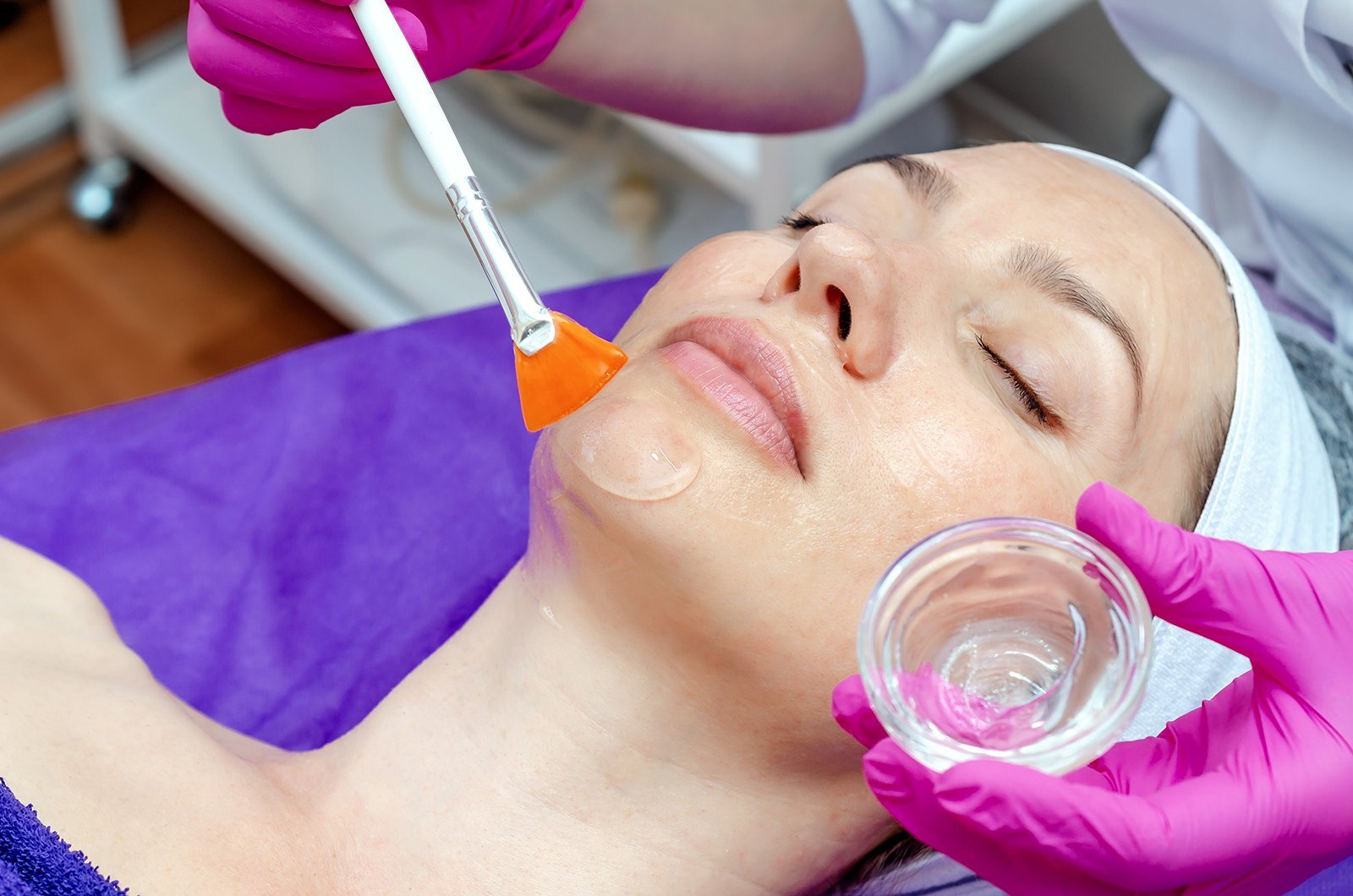
If you’ve ever wondered when is the best time of year for derma peel, you’re not alone. Timing your chemical exfoliation isn’t just about convenience—it can dramatically affect both the results and safety of your treatment.
In my clinic, patients often ask, “Dr. Cassie, when should I schedule my peel for maximum impact?” The answer isn’t one-size-fits-all, but there are evidence-based seasonal considerations that can optimize outcomes in your fight against fine lines and wrinkles, sun spots and a more even complexion
Why Timing Matters for a Derma Peel
A derma peel removes the outer layers of dead skin cells, stimulates collagen production, and reveals fresh, radiant skin. But freshly exfoliated skin is more sensitive to sun, environmental stress, and inflammation. From a functional medicine perspective, skin health reflects internal health: nutrient status, hormone balance, gut function, and detoxification pathways all influence how your skin heals post-peel.
This means that when you schedule your peel isn’t just a cosmetic decision—it’s part of a holistic strategy to maximize results, minimize irritation, and protect your investment in healthier skin
Fall and Winter: Ideal Seasons for Peeling
For most patients, the fall and winter months are the best time of year for derma peel. Here’s why:
Lower UV Exposure
Post-peel skin is highly photosensitive. Fall and winter have naturally lower sun intensity, reducing the risk of hyperpigmentation, dark spots, and long-term sun damage. Even minimal UV exposure can compromise healing if your skin barrier is weakened.
Cooler Temperatures Reduce Irritation
Heat and humidity can increase redness, swelling, and post-peel discomfort. Cooler months allow your skin to recover more comfortably, especially for deeper peels or more aggressive exfoliation protocols.
Alignment with Functional Skin Health
During fall and winter, many patients naturally focus on nutrition, supplementation, and stress management. This internal support enhances collagen synthesis, improves barrier function, and promotes faster healing—all critical for safe and effective chemical exfoliation.
Spring and Summer Peels: Extra Precautions Needed
While fall and winter are ideal, peels in spring and summer are still possible with the right precautions:
Sun Protection is Essential
Broad-spectrum SPF 30+ must be used daily, both before and after your peel. Even reflected sunlight from sand, water, or pavement can damage freshly exfoliated skin, so a pro-active skincare routine is essential.
Adjust Peel Strength
During high UV months, lighter or superficial peels are safer to minimize downtime and risk of pigment changes.
Hydration and Barrier Support
Hot weather and sweating can exacerbate irritation. I often recommend enhanced topical hydration, antioxidants, and barrier-supporting serums post-peel.
How Often Should You Schedule a Derma Peel?
The best time of year for derma peel also depends on how many peels you plan per year. Most patients benefit from 3–6 peels annually, spaced 4–6 weeks apart, depending on skin goals and sensitivity.
Functional medicine considerations include:
- Hormonal Cycles – Estrogen, progesterone, and testosterone influence collagen synthesis, elasticity, and barrier function.
- Nutrient Status – Vitamins A, C, zinc, and essential fatty acids support skin repair.
- Inflammatory Load & Gut Health – Chronic inflammation, gut dysbiosis, or detox pathway inefficiencies can slow healing and increase sensitivity.
By aligning your peel schedule with internal health, we enhance results and reduce the risk of irritation, pigmentation, or prolonged downtime.
Benefits of a Derma Peel When Timed Properly
Timing your peel correctly unlocks the full benefits of a derma peel, including:
- Collagen and Elastin Stimulation – Improves firmness, elasticity, and reduces fine lines.
- Smoother Texture and Even Tone – Removes dead skin, unclogs pores, and reduces hyperpigmentation.
- Supports Detoxification – Exfoliation enhances skin barrier function, complementing liver and gut detox protocols.
- Enhanced Absorption of Topical Treatments – Post-peel skin better absorbs serums, antioxidants, and peptides, maximizing functional and cosmetic benefits.
Preparing Your Skin for Seasonal Peeling
Pre-peel preparation is essential for safe, effective results:
- Optimize Nutrition – Collagen-rich foods, omega-3 fatty acids, and antioxidants support healing and skin resilience.
- Hydrate Internally and Externally – Adequate water, barrier-supporting creams, and hyaluronic acid help the skin recover.
- Avoid Photosensitizing Agents – Retinoids and strong acids should be paused 3–5 days prior unless directed by your provider.
- Support Detox Pathways – Functional medicine strategies that support liver, gut, and immune health can enhance recovery and outcomes.
Post-Peel Care Across Seasons
Proper aftercare varies by season:
- Fall/Winter: Focus on hydration, barrier support, and continued sun protection.
- Spring/Summer: Increase SPF, minimize direct sun exposure, and use antioxidant serums to counteract environmental stress.
Both approaches aim to minimize inflammation, support collagen synthesis, and maintain healthy barrier function.
Who Should Consider Seasonal Cosmetic Peeling?
The best time of year for derma peel is particularly important for:
- Patients with dullness, uneven skin tone, or acne scarring
- Those with hormonal or gut-related skin issues, as exfoliation complements functional medicine interventions
- Individuals seeking anti-aging results with minimal downtime
Strategic seasonal timing ensures optimal healing, maximal results, and minimal risk, all while aligning with functional medicine principles for long-term skin health and maximizing your new glow.
The Functional Medicine Approach to Derma Peel
At Modern Endocrine, a derma peel is never just cosmetic—it’s part of a holistic skin strategy. Seasonal timing, hormone balance, nutrient optimization, gut health, and detox support all influence how your skin responds. This integrative approach helps patients achieve radiance, resilience, and confidence that lasts.
Real-World Example
A 38-year-old patient came in for a dermapeel in early fall. She had dull, uneven skin and mild acne scarring. By timing the peel before winter, optimizing her diet, supplementing with collagen and antioxidants, and supporting her detox pathways, she experienced:
- Faster healing with minimal irritation
- Significant improvement in texture and tone
- Enhanced absorption of post-peel serums, prolonging results
This demonstrates how combining seasonal timing with functional medicine insights maximizes outcomes.
Final Thoughts
Understanding the best time of year for derma peel isn’t just cosmetic—it’s strategic. Fall and winter offer the safest, most effective window for most patients, but with proper planning, cosmetic skin peels in spring or summer are also possible. By aligning peel timing with internal health, nutrition, hormones, and functional medicine principles, you can achieve the full benefits of a derma peel safely and effectively.
If you’re ready to rejuvenate your skin while supporting overall health, schedule a skin renewal consultation today. Together, we’ll design a personalized, perfect derma peel plan that aligns with your skin, lifestyle, and seasonal considerations.
References
American Academy of Dermatology. (2022). Chemical peels: Tips and precautions. https://www.aad.org/public/diseases/a-z/chemical-peels
Bissett, D. L., & Hillebrand, G. G. (2019). Chemical peels for photoaging and acne scarring. Dermatologic Clinics, 37(2), 147–159. https://doi.org/10.1016/j.det.2018.12.001
Rossi, A., De Angelis, F., & Tosti, A. (2019). Peeling agents: A guide to their use. Journal of Cosmetic Dermatology, 18(2), 500–507. https://doi.org/10.1111/jocd.12895
Zouboulis, C. C., & Happle, R. (2018). Skin aging and functional dermatology: A functional medicine perspective. Clinical Interventions in Aging, 13, 1401–1414. https://doi.org/10.2147/CIA.S162496