
Derma Peel 101: Your Beginner’s Guide to Chemical Exfoliation
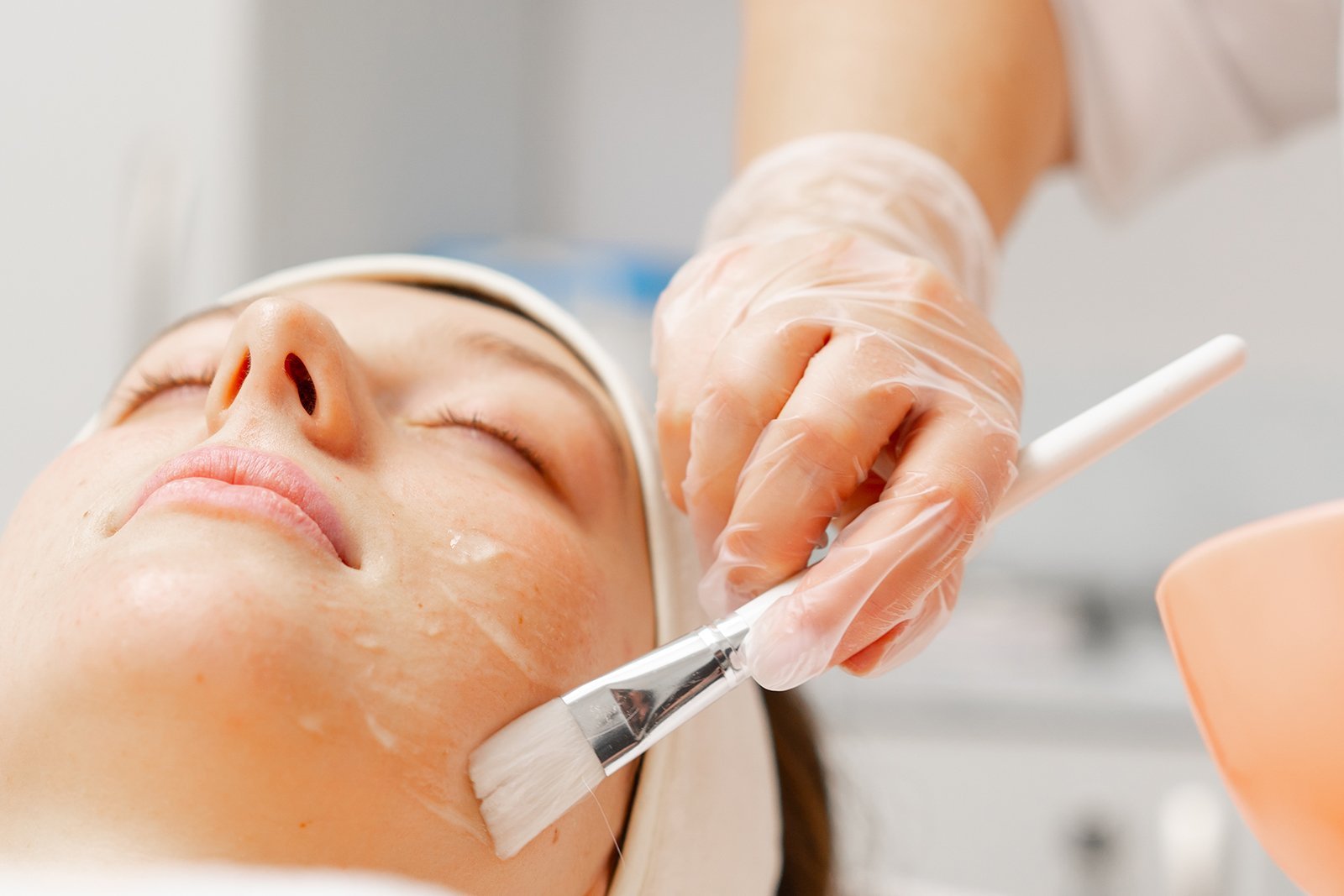
If you’ve been scrolling social media wondering whether you should book a “derma peel,” you’re in the right place. This is your functional‑medicine grounded deep dive into the world of chemical exfoliation—what a “derma peel” actually means, the real benefits of derma peel treatments, who qualifies, what to expect, and how to integrate it into a holistic health plan that aligns with your hormones, gut, immunity and brain health.
Because yes, skin is more than skin—it’s a visible window into how well your body is processing toxins, hormones, inflammation, and aging. And when your outer layer looks stuck because of those fine lines and wrinkles, often your inner systems are, too.
What is a “derma peel”?
When you hear “derma peel,” this refers to a medical-grade chemical peel—applying a chemical solution to your skin to purposely remove a controlled layer of damaged or dead skin cells so that new, healthier skin regenerates. This process is also called chemical exfoliation or chemo‑exfoliation (Rendon & Torezan, 2010).
Chemical peels are classified by how deep they go:
- Superficial (light) peels — affect only the epidermis. Ideal for mild sun damage, uneven tone, early fine lines. PubMed Central+1
- Medium peels — reach into the papillary dermis; treat pigment issues, moderate wrinkles, acne scars. NCBI+1
- Deep peels — reach into the reticular dermis; reserved for severe photodamage, deep wrinkles, surgical candidates. Mayo Clinic+1
From a functional medicine standpoint, think of a derma peel as a system reset for your skin: we’re triggering controlled micro‑injury, prompting regeneration, promoting better collagen/elastin formation, improving barrier function, and enabling your skin—and by extension, your internal systems—to reflect your health more honestly.
Why the Benefits of Derma Peel Matter
Let’s talk benefits. What can a well‑applied derma peel accomplish (beyond the “skin looks better” photo op)?
1. Improved skin texture, tone and radiance
Chemical peels remove layers of dead or damaged skin cells, and stimulate new epidermal growth and dermal collagen production (Soleymani et al., 2018). PubMed Central+1
2. Addressing pigmentation, sun damage and uneven tone
By resurfacing the skin and disrupting melanin clusters, peels can significantly improve hyperpigmentation and melasma. Cleveland Clinic+1
3. Acne, scarring and pore refinement
Peels (especially with hydroxy acids) help unclog pores, reduce acne lesions, and improve post‑acne hyper‑pigmentation (Ravikumar et al., 2022). JCAD
4. Hormone‑linked skin issues and detox reflection
From a functional medicine lens, your skin is a large organ of detoxification and hormone expression. If you’re battling low‑grade inflammation, hormone shifts (perimenopause, thyroid, adrenal), or gut dysbiosis, your skin often reflects it. A derma peel can accelerate visible improvements when layered into a broader body‑system plan.
5. Boosting absorption and efficacy of topical + systemic therapies
When your barrier is healthier, not only does your skin look better, but your treatments—serums, peptides, hormone protocols—penetrate and perform more effectively. A derma peel is not a stand‑alone quick fix—it’s a turbo‑charger for internal healing.
Who is a good candidate for a peel (and who is not)
If you’re holding back, ask: Is my skin ready for a derma peel? Here’s how I screen in-clinic.
Ideal candidate features:
- Mild to moderate sun damage, uneven tone, pigment issues, early fine lines
- Good overall health (you’re not fighting an active infection or serious autoimmune flare)
- Reasonable expectations, committed to post‑care (sun protection, gentle skincare)
- Already doing some internal foundational work (nutrition, sleep, gut)
Derma Peel Cautions / Contraindications:
- Active infection (cold‑sores, open wounds) on the treatment area Wikipedia
- Pregnant or breastfeeding (many peels contain acids or ingredients not rated for this group)
- Very dark skin (Fitzpatrick V–VI) without experienced provider—higher risk of hyper‑ or hypopigmentation (Cleveland Clinic, 2023) Cleveland Clinic
- Recent isotretinoin use or severe skin barrier breakdown
In my practice I always pair a derma peel with internal system evaluation: gut health, hormone panels, liver detox capacity, oxidative stress markers. Because if your internal systems are sluggish, the visible results will be muted.
What to Expect Before, During & After a Derma Peel
Pre‑procedure preparation
- Discontinue products containing retinoic acid, strong acids, exfoliants 5–7 days in advance
- Ensure hydration, optimize protein and antioxidant intake
- Avoid sun and tanning for 2–3 weeks pre‑treatment
- Clear gut inflammation, ensure no active infection, optimize liver detox pathways
During the procedure
- A solution (glycolic acid, salicylic acid, TCA, etc.) is applied; you may feel tingling, warmth, or “tightening”
- For superficial peels, downtime is minimal (1‑3 days); medium/deep peels will require longer recovery Verywell Health+1
- A board‑certified provider ensures the correct agent, strength and depth given your skin goals and systemic health
PostPeel-procedure care
- Expect flaking, redness, possibly mild swelling
- Strict sun protection is mandatory—your new skin is vulnerable
- Gentle skincare: non‑active cleansers, barrier support, no harsh actives until healed
- Hydration, internal support (antioxidants, liver helpers, gut support) are critical to reinforce the visible results
Derma Peel Healing timeline
- Superficial peels: new skin in ~3–5 days PubMed Central
- Medium peels: ~1–2 weeks
- Deep peels: several weeks; downtime and risk increase accordingly
Integrating Derma Peels in a Functional Medicine Plan
As a functional medicine doctor, I don’t view a derma peel as purely cosmetic—it’s part of the system. Skin is the mirror of your internal health. Here’s how I integrate it:
1. Baseline Internal Assessment
We test gut health (dysbiosis, permeability), hormone panels, liver detox markers, oxidative stress. If I find heavy metals, mold burden, gut dysfunction—those get addressed first so the peel’s benefits aren’t undermined.
2. Optimize Detox & Barrier Function
Before the peel hits, we build your skin’s resilience from the inside out: antioxidants (vitamin C, E, glutathione), essential fatty acids, good sleep, reducing sugar inflammation.
3. Peel + Topical Protocol
We schedule the derma peel at the ideal window, then incorporate peptides, retinoids (when appropriate), and high‑quality serums as early as the skin is ready—maximizing that “renewal window.”
4. Lifestyle + Maintenance
A single peel is rarely enough. Maintenance peels every 3‑6 months (for superficial) or as indicated, combined with internal health habits (gut, hormones, stress) yield lasting improvements.
5. Monitor and Optimize
We track not just how your skin looks, but how you feel—energy, mood, sleep, gut symptoms. Because if your skin improves but you’re still stiff, anxious, fatigued, you still haven’t addressed the root system.
Risks & How to Minimize Them
All good treatments carry risk—and a derma peel is no exception. The key is informed consent and expert application. Common risks:
- Redness, swelling, peeling, crusting (expected)
- Changes in skin colour (hyperpigmentation or hypopigmentation) especially on darker skin types Mayo Clinic
- Infection or delayed healing if underlying immune/gut status is poor
- Scarring (rare but more likely with deeper peels)
In clinic we minimize risk by:
- Selecting the right depth and agent for your skin type and systemic health
- Pre‑optimizing your gut, liver and detox pathways
- Providing strict aftercare instructions and shading guidance
When done properly, a derma peel is extremely safe and effective (Soleymani et al., 2018; Rendon & Torezan, 2010) PubMed Central+1
How Many Sessions? What Does Maintenance Look Like?
Results from a single superficial peel can be immediate—brighter tone, smoother texture. But optimal benefits (for fine lines, pigment, rejuvenation) typically require 3‑6 sessions spaced 4‑6 weeks apart.
Medium and deep peels may deliver dramatic changes in fewer sessions, but also require more downtime and internal support.
For maintenance, combining yearly deeper peel plus quarterly light peels plus daily skin care and internal system health (gut, hormones, detox) is my formula for skin that ages well and overall skin health.
At‑Home vs. In‑Office Chemical Peels: What’s Right for You?
You’ll see many lighter “at‑home” peel kits. These are useful for maintenance and minor texture concerns—but they are not replacements for physician‑administered, controlled derma peels when you’re targeting pigment, deep lines or system‑driven skin aging (Vogue, 2024) Vogue
If your internal systems (gut, detox, hormones) are not optimized, even repeated at‑home peels can irritate the skin and produce limited results. In our clinic the best outcomes happen when the internal ecosystem is aligned first.
Real Life Case Study: Skin Meets Systems
Meet Maria, age 38, high‑performing professional, battling persistent dull skin, uneven tone, and early lines despite good diet and skincare. She also reported fatigue and gut bloating.
In our clinic:
- Gut panel revealed low microbiome diversity and mild permeability
- Hormone panel showed sub‑optimal cortisol rhythm
- We optimized her nutrition (antioxidants, fatty acids), improved sleep hygiene, and cleared gut dysbiosis
- Two months later we performed a superficial derma peel (glycolic‑based)
- Within three weeks: skin looked visibly smoother, tone more even, minimal downtime
- Internally: she reported better energy, fewer gut symptoms, improved mood
- We scheduled maintenance peels every 4‑6 months and continued addressing her internal systems—her skin and systems progressed hand‑in‑hand
Frequently Asked Questions
How painful is a derma peel?
For superficial peels you’ll feel tingling or warmth but little discomfort during the peel process. Medium peels may require more downtime. Deep peels may require sedation or very strict after‑care.
How soon will I see results?
You will see immediate visible changes (brighter tone, smoother texture) within 1‑2 weeks. The full regenerative effect—better collagen formation, pigment correction—typically unfolds over 4‑8 weeks.
Can I combine a peel with hormone therapy or other functional medicine treatments?
Yes. The best results come when you sync skin treatments with internal health protocols (hormones, gut, detox). But timing matters—optimize internal health first to support healing.
What about sun protection?
Non‑negotiable. Post‑peel your skin is more vulnerable to UV damage which can reverse gains or cause pigmentation. Daily broad‑spectrum SPF and sun avoidance are essential.
How do I pick the right provider?
Choose a board‑certified dermatologist or MD‑level provider experienced in chemical peels. They should evaluate your skin type, internal health status, discuss risks/benefits, and align your peel with your overall health plan (not just “let’s get a facial”).
Final Thoughts
A derma peel is far more than a spa indulgence. When used intelligently and integrated into a functional‑medicine framework—gut health optimized, hormones balanced, detox pathways open—it becomes a catalyst for systemic renewal.
If you’ve been doing everything “right” but your glow, your skin tone, your energy still aren’t there—it’s time to look deeper. Your skin is calling attention to what’s going on inside.
Let’s do this together: schedule a consultation today and let’s design your personalized skin‑system reset—where the benefits of a perfect derma peel don’t just show on the surface—they echo through your entire body, your vitality and your confidence.
Ready to reveal your healthiest skin yet and say goodbye to those skin concerns? Book your consultation now—and let’s align your skin, your systems and your life.
References
Rendon, M. I., & Torezan, L. (2010). Evidence and considerations in the application of chemical peels. Plastic and Reconstructive Surgery, 126(6), 2339–2345. https://doi.org/10.1097/PRS.0b013e31820225a1
Soleymani, T., et al. (2018). A practical approach to chemical peels. Dermatologic Surgery, 44(3), 270–275. https://doi.org/10.1097/DSS.0000000000001193
Ravikumar, B., et al. (2022). Efficacy of alpha and beta hydroxy acid chemical peels in the treatment of post‑acne pigmentation. Journal of Clinical and Aesthetic Dermatology, 15(4), 24‑31.
Khunger, N. (2022). A perspective on what’s new in chemical peels. CosmoDerma, 4(3), 112–118.
Cleveland Clinic. (2023). Chemical peels: what to know. Retrieved from https://my.clevelandclinic.org/health/treatments/11010‑chemical‑peels