
Stop Starving, Start Healing: The Real Root Cause of Weight Loss Resistance
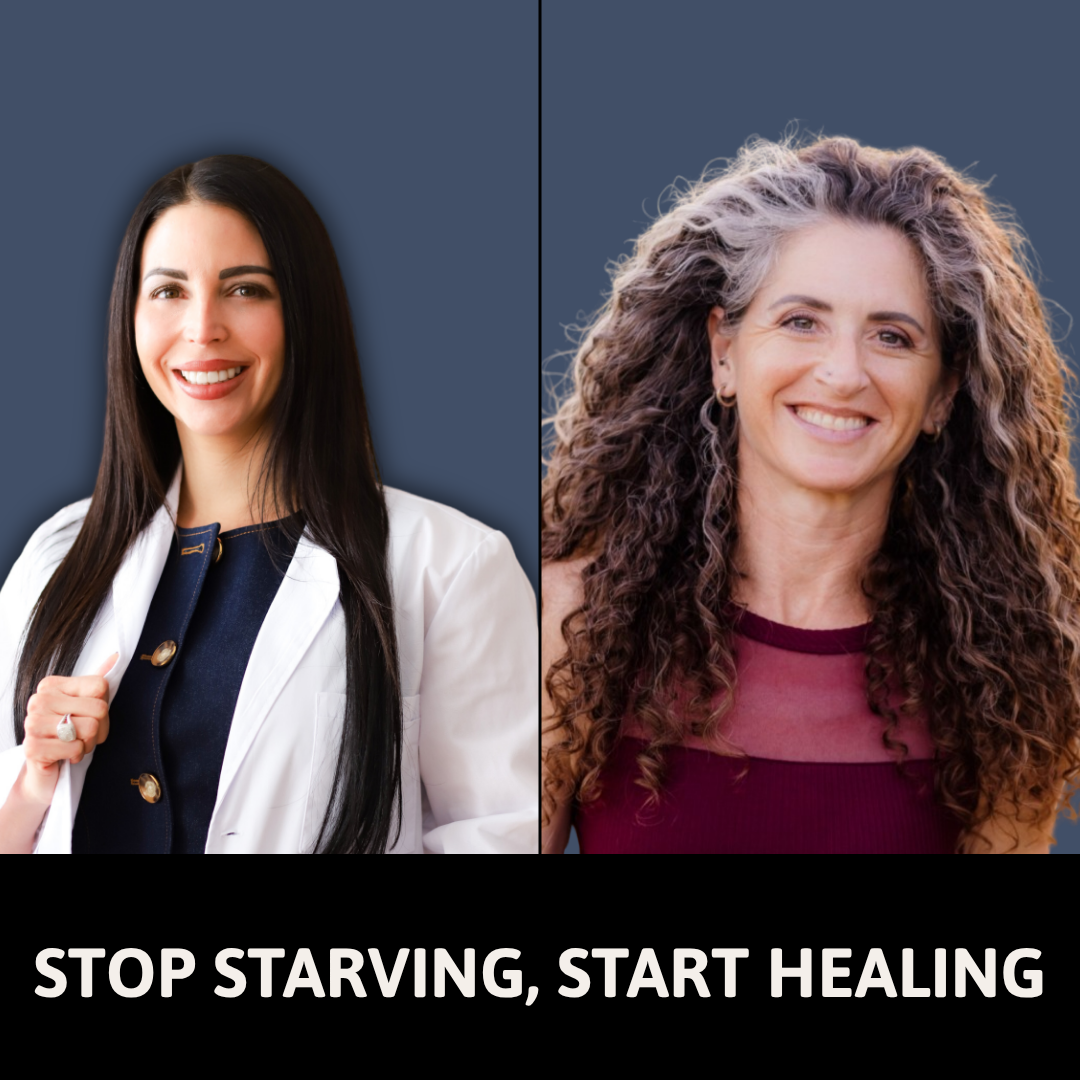
What if the reason you’re struggling with weight, low energy, or hormone symptoms isn’t just about eating less and exercising more?
In this episode, I sit down with functional medicine practitioner Dani Conway to talk about the bigger picture of metabolic health. We discuss why so many women are told their lab work is “normal” even when they still feel exhausted, inflamed, or stuck, and why looking beyond the scale often leads to better answers.
Dani shares how her own health journey shaped the way she now helps women address gut health, hormones, inflammation, and metabolism with a personalized, root-cause approach rather than a one-size-fits-all plan.
We explore the role digestion and detoxification play before focusing on hormones, why testing matters more than guessing, and how factors like stress, sleep, nervous system regulation, nutrition, exercise, and even peptide therapy fit into the conversation.
Topics We Cover in This Episode:
- Why gut health and detoxification may need attention before addressing hormone balance
- How to recognize signs that your body may not be processing nutrients or toxins efficiently
- Why “normal” lab results don’t always tell the whole story
- What comprehensive testing can reveal beyond standard blood work
- Why stress and nervous system regulation can influence weight loss, even with healthy habits
- How to think about nutrition and exercise without relying on one-size-fits-all advice
If you’re looking for a more personalized way to think about hormones, metabolism, and sustainable health, I think you’ll find plenty to consider in this conversation.
Dani’s Resources:
Instagram: @daniconwayofficial
Website: https://nutritionthenaturalway.com/
Resources:
Check out the website
Follow Cassie on Instagram
Follow Cassie on Facebook
Follow Cassie on YouTube
Follow Cassie on TikTok
Disclaimer:
The information presented including any materials discussed, referenced, or linked within this podcast are for general educational purposes only, not the practice of medicine.
No doctor-patient relationship is formed from you listening to this podcast or utilizing any of the information provided.
I am a doctor, but I am not talking to you as your doctor. The information provided is not intended to diagnose or treat health problems or take the place of the professional medical care provided by your doctor.
If you are experiencing any health problems, including problems you believe have been touched upon in any respect within this podcast, you should consult your doctor about the problems without delay. You may ask your doctor whether he or she believes the information I have provided would be helpful to you, but you should still consult your doctor immediately and follow his or her medical advice as your treating physician.
I’m just here to provide you with basic knowledge about the issues we discuss so you are more aware of them and can better discuss them with your doctor.
Join me on the next episode as we continue our journey.
Transcript
Welcome back to hormones metabolism in you I’m Doctor Cassie. And today we’re joined by functional medicine
practitioner and women’s health expert Danny Conway. Danny is a board certified functional diagnostic nutrition
practitioner, a functional bloodwork specialist, and a trusted expert in women’s metabolic health. With more than 18
years of experience in holistic and alternative health. Her work is deeply personal. After struggling with hormone
dysfunction, gut issues, chronic fatigue, brain fog, yo yo dieting, and metabolic damage, Danny went on to lose 65
pounds and rebuild her health from the inside out. Now, at 49, she says she feels stronger, leaner and healthier than
she did in her 20s. In this episode, Danny shares her powerful test don’t guess approach and explains why so many
women are told their labs look normal, why they still feel exhausted, inflamed, stuck, and frustrated. We’re diving
into the hidden connection between gut dysfunction, insulin resistance, inflammation, thyroid health and midlife
weight gain, and why so many women over 40 feel like their bodies have stopped responding to clean eating,
exercise and willpower alone. We are also talking about five key hormones that shift during perimenopause and
menopause estrogen, progesterone, testosterone, cortisol, and insulin, and why chronic dieting and under-eating can
make symptoms even worse. We even discuss how some women have low or normal insulin levels, but still struggle
with weight gain.
So you’ll want to listen till the very end to make sure that you get tips on what to do if that’s you. If you’ve ever felt
dismissed, confused, or like your body is working against you, this conversation is going to give you real insight,
practical next steps, and a whole new way to understand what your body may actually be asking for. Let’s get into it.
So today I have with me Danny Conway, and I’m excited, you guys, because she kind of believes just like me. So
she’s a nutrition Expert. She looks at lab. She kind of like I did, found her way into this space because she struggled
whenever she was having some health issues. And I let her tell you guys about this, but she believes that we have to
fix the gut and we have to look at digestion, and that there are certain hormones that are in play when we can’t lose
weight. And it’s not just about starving you and making you exercise more. So I’m so excited to chat with you. I know
you’ve helped thousands of women lose tons of weight. So welcome to the podcast.
Thank you so much for having me. I’m excited to be here.
Yes. So I think it’s always fun to start with, tell everyone why you’re so passionate about this and how you kind of
ended up in this space and what you do every day so that everyone kind of knows when we start talking, that you’re
not just some random person on social media making stuff up.
Yeah, 100%. So I was years ago in my 20s, I was 65 pounds overweight on a fat free diet following all the bro diet
chicken, brown rice, broccoli. I was doing two hours of cardio a day and I couldn’t lose weight. In addition to the
weight, I had tons of cravings and hormone issues and gut issues as well. And the traditional cut your calories, do lots
of cardio just didn’t work for me. I went to my doctor. They told me my blood work was normal. Then why do I still
feel like crap? I can’t lose weight? And honestly, I was like I said, I was in my 20s at that time. I didn’t know how I
would make it to my 40s. I’m 49 now. I’ll be 50 this year and, you know, healthier or stronger than I’ve ever been in
my life. And so at that point in time, it just sent me on a path looking for something different. When I say something
different, I was. I started to learn about root cause and the fat free stuff wasn’t working. And I had tons of cravings.
And I finally realized that I was just going to listen to my body and see, you know, what happened? If I actually ate
some of the types of foods I was craving. Not all because at that point in time, I was still craving junk food. However, I
love steak, I love butter, I love eggs and avocados and all of these foods that people think that these higher protein,
higher fat foods are taboo. Now, they were very, very taboo 20 years ago.
So I just started to listen to my body and eat those foods and got into the low carb keto space and eventually
carnivore. And that changed my honestly, the food aspect definitely changed my life in many ways. It didn’t solve all
the problems. You know, fast forward a little bit, which I can get into, but it truly was a trajectory that changed how
the path that I was on. I started to feel better. I started to lose weight. I started to have balanced hunger and no
cravings. So excessive cravings and hunger were like significant issues for me. They literally controlled my my life
And two weeks out of the month, especially with my cycle. Like I just felt like a different person with my mood. And
like I said, the cravings and so on and so forth. So the changing the food was the first catalyst to really changing my
health. And at that point, I was really just looking for weight loss. I had no idea that it was going to turn into what it’s
turned into for me in my life. And then soon after that, no, I still had some hormonal gut issues, and that’s where I
was introduced to functional medicine and root cause healing and really changed how I was feeling. And I started to
see all these symptoms go away and things were continuing to improve and my skin and my gut and my weight, of
course. And at that point, I just really realized like, I couldn’t be the only woman out there struggling with no answers.
Yeah.
I mean, I love that. And it was even in your 20s, you said. Right. So I think that’s important for people to know
because sometimes people think, wow, I’m in my 20s, I’m all alone. But it was even in your 20s, you were having a lot
of issues.
Yeah, I was in my like the early 20s. I was still having tons of issues. I didn’t start down this path until my late 20s. So
my teens and 20s, I spent restriction dieting, yo yo dieting, weight watchers, counting points, counting calories,
counting this, counting that. And you know, I would lose a little weight and then I would gain a little more weight and
then I would lose a little and I gained a little more. And I would do Weight Watchers with friends, and they would lose
20 to 30 pounds and I would lose three and I would be starving.
Yeah. So you were just stressing your adrenals out. And so then you decided not to do that. And things started to
shift and change. And then is that like, have you always been into nutrition or did that like target you just to start
different, like training or how like how, what do you do now with women? How do you get them to lose all this
weight? Like generally, I know we’re going to talk more about it, but.
So to answer your question, I was always interested in nutrition. I actually originally declared my major in college and
nutrition. But then I found out there was all this math and chemistry that was involved in nutrition, and that was that
wasn’t going to work for me. So I quickly switched my degree to psych to or my major to psychology. And that’s
where I got my degree. But after college and after having a corporate job getting let go, which was like a blessing in
disguise at that point, that’s where I really pursued the holistic nutrition side of things, the functional medicine side of
things, the hormones, the blood work, the peptides, all of that, all the certifications to really hone in on the areas that
I believed in and not be forced to be in nutrition, but have all this math and chemistry and science that didn’t make
sense to me to quote unquote, major in nutrition. So fast forward to now. Basically, I view nutrition as the foundation
for everything that we do. So number one, if food isn’t right, nothing else can be right. And then number two, there’s
never a one size fits all. So I work with clients on a spectrum of moderate or low carb through carnivore, and that
spectrum is very much based on the individual, their body and metabolism. I am not dogmatic. I don’t believe
everyone should do one thing or this thing or that thing. I think that sustainability and what’s going to get them the
best results, of course, that’s important because they want people to be able to sustain long term results because
they’ve never had before. Most women come to me from a yo yo dieting background, and then build on that
foundation to finally get them to a place where their hormones or gut health, their detox systems, all of these things
that have gone awry because they spent years dieting can be in a place of balance and they can finally, I like to say,
stop starving and start living.
I love that, and I know that you’re very passionate too, about, you know, looking at functional labs and you agree that
insulin and cortisol, so your adrenals and estrogen and testosterone, progesterone, all of that affect Wait, which I
think is also really important. And we can talk about that. But before we dive into that, you said something to me
before we started. So when you first start working with a client, before you’re even looking at all of their hormones,
you said there’s something that you feel like is really important that we look at and fix, or people are never going to
get better, even if you start working on their hormones. So can you kind of explain and talk about that? Because I
think this is really powerful. And the reason that I wrote the book behind me.
Yeah, of course I’d love to. So originally when I was trained in functional medicine, this was back in 2008. I was
trained to fix the hormones, fix the digestion, and then fix the detox system in that order. And that worked for a while
until it didn’t work anymore, or it worked way less than it did in the beginning. And it started to work way less around
2015. So I’ve been in practice almost 20 years now. So with that said, what I found was that when I started to work
on a client’s digestion, their absorption of nutrients, their drainage pathways, and their detox systems, along with
their cellular health and improving their mitochondria, they then actually improve their hormones before technically
ever working on their hormones, because there’s such a connection with our gut and our liver and our detox with
what the hormones are doing, and of course, our cellular health and cellular energy. But our world, the foods that we
eat, everything that we’re exposed to, mycotoxins, heavy metals, all environmental toxins, that has just become way
more prevalent. So if we can open up the drainage pathways, get someone’s body digesting food properly, absorbing
nutrients properly, and at the same time detoxing properly, those things in and of themselves start to improve their
hormones without having to do anything exogenously to actually improve their hormones. So that makes improving
hormone balance much easier. Once we get to the hormone phase where we’re improving that. And so that sort of
shift in how I practice and how I work with clients, with their protocols has made a significant, significant difference in
results from weight loss to fat loss to energy improvement to libido, and so many things that are connected where
some people are just like rabbit holing down the hormone aspect, which I’m not saying that it’s bad to address that,
but there’s a bigger picture. And that’s what is not being discussed in many, many cases.
Correct. I say all the time, you can’t hammer a screw. And so you can’t just like force hormones into somebody if
you’re not paying attention to how those hormones are metabolizing, which all of that happens in our gut, we have
something called our estrobolome. It’s responsible for deconjugating and detoxifying our estrogen. And so if you’re
just forcing more hormone in somebody, but they can’t conjugate or deconjugate or metabolize hormones through
their liver, and they’re not pooping every day and getting rid of toxins, then it doesn’t really matter for shoving more
hormones in there, because if we’re really inflamed from our gut, then our cell membranes won’t open doors and let
hormones in anyways. And so we’re just kind of pushing more things into the, we’re giving the body more inputs that
can potentially give us bad outputs. Because if we have too much of a hormone that’s building up because it can’t
metabolize correctly, there can be issues too. So I think that’s really important that people understand that that yes,
to your point, digestion and just detoxification are really important. And you can work on those. Like you said, if
you’re listening to this right now, people can work on that from home. I mean, they don’t even have to see anyone.
And so let’s kind of break that down and unpack that. How are ways that you work with people or what are things
people listening to this right now could do if they think, wow, I have some hormone imbalance or I can’t lose weight
or I’m having issues, what can they do to work on digestion and detoxification on their own?
Yeah, so a few there’s what I call detox strategies that I love to have clients start implementing because these are
things that they can do long term. They are very, very budget friendly and they’re going to get the best results when
they just continue to do these things on their own, regardless of any protocols. So that said, things like Epsom salt
baths, sea salt baths, castor oil packs, self-lymphatic drainage, vibration plate. Obviously that takes investing into a
vibration plate, but I tell you what, they’re way cheaper now than they were ten years ago. Circadian rhythm work to
help with calming their cortisol, of course, and then with digestion, I feel like things like apple cider vinegar and water
and lemon water and timing those things in the morning before bed, 20 minutes before meals. All of those things are
things that that someone are very easy. Someone can just do them on their own. They can start working on those
things, and they can see a lot of improvements with just those types of strategies.
How do you feel about saunas? I get people that ask me that a lot. Our sun is good or sun is bad.
Oh, I love I love infrared saunas. So I didn’t mention sauna because obviously, like some people aren’t just going to
go out and buy a sauna, but sometimes there’s wellness centers that you have access to. I actually, I’ve had a sauna
since 2010, so I’m very diehard. Infrared sauna. I am not a cold plunger. You cannot pay me to cold plunge, but any
type of infrared heat is like my favorite. So I love saunas and I’m a big proponent of them. Okay.
So yeah, so these are some of the things people can do to just start fixing their digestion or their detoxification. But I
guess we could even back up and say, how would somebody know that they maybe have digestion or detoxification
issues besides like.
Yeah. So low energy fatigue, that’s a big one. Maybe poor complexion, so dull skin, possibly like struggling with bags
under their eyes, rashes, eczema, psoriasis, things like that. So the gut skin, there’s a big connection with the gut,
what we call gut skin axis, which I’m sure you talk about as well. But a lot of times if the detox pathways are backed
up, those toxins will find, you know, the path of least resistance, which is oftentimes the skin. So any type of skin
complexion issues, like I said, low energy bags under their eyes, dull complexion, all those things. Constipation for
sure. So I’m a big proponent of, you know, even on the carnivore diet, there’s a lot of people out there that say, oh,
you can only it’s fine if you just poop once a week. I completely disagree with that. And I think that is terrible, terrible
advice. I think that you can employ all those detox strategies and get keep things moving, even on something like
the carnivore diet. I think it’s a great tool, a great elimination diet, and there’s ways to optimize to still, you know, like
you were talking about your estrogen metabolism and how we process and detox all of that. And that’s super
important.
Yeah. So if people are, you know, having symptoms and they feel like they might need to detox or they have a, you
know, a digestion issue. I think, you know, they can work on that. And then how long would you say if they work on
something like that and they’re still having issues? Like, what’s the next step? Like if, you know, obviously I think they
should get blood work done, but how do you kind of walk people through that process of like, hey, you’ve tried this
for four weeks, six weeks, nothing’s better. Maybe we should do labs. What is your take on that?
Yeah, so that’s about my time frame. So I would say anywhere from 2 to 6 weeks. It really depends on how long a
client has been struggling prior to me getting the chance to actually have that conversation with them. I get a lot of
women who have been struggling for six months, eight months a year. They’ve tried to diet harder. They’ve tried to
do all the YouTube videos and try all the things out there on social media, and they’re still not getting anywhere. So if
someone is new to their journey, let’s say, I think that it’s totally reasonable to do those types of practices for four
weeks, six weeks, eight weeks, even longer. If someone’s not convinced that they should go get blood work. But
again, like my thing is test, don’t guess. And as midlife, I work with a lot of midlife women, right. I’m sure you do too.
This time doesn’t have to be like the time of aging, the way culture and society has taught us. And I think that the
more that we can optimize and not still struggle and not just succumb to, well, this is aging. The doctor said that I
can’t test my hormones. The doctor said that this is normal for my age. Like, I don’t buy into that and I don’t, I don’t
allow clients to buy into that. And I think that to answer your question, I’m a little on a tangent, but to answer your
question, I think like 4 to 6 weeks, try those things and then test, don’t guess, figure out whether it’s blood work,
urine testing, all the things like make sure you’re doing the testing, make sure it’s analyzed properly and then go
from there.
Yeah, I see that a lot. I tell patients, I’m like, man, I wish I could just look at you and tell you everything that’s wrong
with you, but I can’t. You know, I was talking to a lady today and I was like, I know you have some serious gut issues
by what you’re telling me and how you’re having symptoms with very low dose estrogen. And, you know, she says,
well, just give me a protocol. And I’m like, you can’t because I can’t look at you. I mean, we’ve got a test. We can’t
guess because if we guess and we do the wrong thing, we can actually make it a lot worse. So I do think that’s
important. And that’s where, you know, you try a few things at home. If it doesn’t work, you’re going to have to get
some testing. And I know it’s hard sometimes for patients to find people to look at that blood work and interpret that
blood work, but it needs to happen. So if somebody is working on their digestion and they’re working on their detox
and they’re doing the things we’re talking about, like trying the apple cider vinegar and sitting down when they eat
and chewing their food and doing saunas and Epsom salt baths, and they’re still having symptoms. What kind of tests
are they looking for? And again, this is somebody in particular I want to focus on who’s struggling with maybe weight.
And so they really have tried to, you know, like you said, they’ve tried to do all the things. They’ve tried Weight
Watchers, they’ve done all the diets and they’re still just really struggling with weight. What sort of tests are we
looking for?
Oh, so I like to I mean, I have a handful that I run. I like to start with comprehensive blood work. So making sure that
we’re doing everything from the basics CBC with differential metabolic panel, things like that, but thyroid with
expanded markers and antibodies and making sure they’re getting vitamin D and making sure that we’re testing
inner cell and outer cell of magnesium, like, because just magnesium like might look good in the serum, but it might
actually be deficient in the cells. And then the inflammatory markers from CRP to homocysteine to fibrinogen to the
iron panel, ferritin, all of that. And I think that, of course, fasting insulin, leptin, a whole thing. Now, that said, it can
also be as good as how it’s interpreted, like you were just saying. So making sure that lab work is always interpreted
for optimal ranges, but that people are whoever they’re going to is looking for patterns. So sometimes there’s
sluggish liver markers or digestive markers, or we’re looking at additionally, like the Dutch panel, which is going to
show us our estrogen metabolism and some liver function and nutrient function there. Or we might be looking for
stool testing. And I’m kind of rambling a bunch of stuff off, but I think that it’s within the interpretation of a lot of
these as well. Because I’ll give you a perfect example, because I know you like to talk about insulin also, and I think
it’s obviously very key for many women with weight loss, but I will tell you that I cannot, I should say I cannot tell you
how many women have perfect fasting insulin, but their weight is stuck and stalled.
And it is not depending on their fasting insulin score. And I bring that up because science and there’s many experts
out there that will say like, if someone’s on a lower carbohydrate diet and they can’t lose weight, they automatically,
it’s assumed that their insulin is elevated and there’s no way that someone can struggle or have their weight being
stalled when their insulin is perfect. So perfectly optimal, let’s call it 4 to 5, 4 to 6. I see this on a weekly basis. I have
seen hundreds of labs that look like this where the client is stuck. Their weight is stalled and they have perfect
fasting insulin. So it just goes to show you there’s so many other areas. And then we, like I said, we start working on
the gut health, the nutrients and detox, and things start moving. But yet their insulin was still perfect when we
started. So there’s a lot of different things to look at. And those are just just some of the things. I think that was also
a little bit of a tangent, but I hope I answered your question.
Yeah. No, I think, you know, there are a lot of people who have high insulin levels. And that’s one thing we really have
to address. But if you don’t have a high insulin level and you’re still having issues with weight, then a lot of times it
comes down to your adrenals and your sex hormones. And a lot of that can be stress, it can be trauma, it can be lack
of sleep. But when your body is stressed, I mean, it holds on to things, you know, and, and I can tell like whenever I’m
doing too much and I’m stressed, it’s nothing for me to gain like 5 pounds in my rings won’t come off and I’m like
floated. And then as soon as I, you know, get back to doing what I’m supposed to do, I’m not stressed. I finish
whatever I’m working on my book, whatever. Then your weight will just like that extra weight just falls right off
because stress causes so much cytokine release and inflammation. And then when your body is inflamed and it has
that stress response, it’s going to hold on to stuff. And maybe it’s not long enough that it spikes your insulin every
time. But stress is a big, you know, a big part of it. And I think people just are used to being stressed and used to
compromising sleep or self-care because that’s just what we’ve done. But that doesn’t mean that it’s normal. And I
think people have to remember that.
Yeah, I think it’s important to to talk about this because number one, I don’t think women realize how dysregulated
their nervous systems might actually be, and that’s why they’re not able to release the weight. So that’s a big thing
that I see a lot. And that another piece of the puzzle is that adrenal energy, that sort of like adrenaline can feel like
energy. So they can almost mistake that sympathetic response as that. They just have a lot of energy, even though
it’s like wired energy and it’s really a stress energy, as opposed to them being able to separate a wired energy versus
when they actually relax and they have real actual energy. And I think that there’s, you know, being able to kind of
figure that out and address the wired aspect of it, and the adrenaline aspect and the nervous system sympathetic
side of it, to then shift to the true parasympathetic energy, where there’s a difference between when they’re calm,
when they’re, you know, have energy and all of that. So that kind of plays into what you’re talking about.
Yeah. And I also think that women sometimes forget to, to your point, I like that, like, not everyone has the diet that
works for me and I might not work for you, might not work for the next person. I think it is important that you figure
out what works for you. But then also everyone’s hormones are in different places. So in our luteal phase versus our
follicular phase, our hormones are different. What we need is different. And then just also what’s going on in your life.
And so just really being able to realize that and know kind of what your body needs and then listen to your body as
opposed to most women are just very much like push, push, push. Like, I’ve got to get this done. I have to do this. I
have to instead of, you know, when your body is telling you like, hey, you need to rest. You need to slow down. Most
people don’t listen to that, right? Most people are just like, hey, go, go, go. And the more that we learn to listen to our
bodies and not push, you know, give them what they need and respect that, then I think the better we are overall.
Yeah, 100%. And I also like to do a lot of things cyclically. So if the woman is still cycling, then that might mean
different macronutrient formula, beginning of the cycle versus end of the cycle. That might mean cycling
supplements, cycling, other things that we’re using in our protocol. And honestly, even, you know, women that are
perimenopausal, they might be a little bit more irregular or even postmenopausal women that have been through
menopause. I still will cycle different variables even if they’re not having a cycle. The reason for that is because our
bodies adapt, and I always want them to continue to be able to optimize and get their results and maintain and
improve and all of that. And I think that just just feeling like you’re going to maintain something actually brings us to
a stagnant place, as opposed to looking at how can we continue to show our body that we want to continue to
change, we want to continue to build muscle. We want to continue to have improvements, you know, as time
progresses in stages of life.
Yeah, yeah, I think that’s really important. So tell me about who, if somebody’s listening, how would they know if
Cheeto is better for them versus like, you know, how if somebody just listening to this and they’re like, huh, I want to
start, is there like an easy way they would know maybe I should do keto or is there like a calculation that they could
do so that they know what sort of nutrition plan that they should utilize? Or is it something where they have to really
go and work with a coach or a nutritionist?
Yeah. So I think it can be, in all honesty, a little bit of both. And of course, it depends on the person, right? Because
there’s no one size fits all. So with that said, I think that when someone is dealing with still dealing with a lot of
autoimmune type issues, food sensitivities, lack of toleration to foods like they know they eat and they have a lot of
reactions, those types of things. I think the more that we can eliminate, even if it’s for a period of time, the better
you’re going to take the noise out of your body by doing that. So you can really see what things help to move the
needle as far as improving your immune system, lowering symptoms, lowering inflammation, lowering all the things
that are contributing factors to whatever subclinical symptoms somebody’s having. So in that case, it might be going
even closer to carnivore, where if they’re still reacting to having bloating from eating vegetables or whatever the
case is. Now, if someone is just trying to change their way of eating for, let’s just say, for weight loss and fat loss,
they don’t have autoimmune stuff going on.
They don’t have a ton of food reactions. You know, they can eat raw vegetables and they feel great as far as their
digestion goes. Things like that. I think that that’s where, you know, some type of like a lower carb ketogenic type
approach where they’re really optimizing their protein consumption, their fat consumption. I’m guessing that this
person, if they’re struggling with weight loss and fat loss, they probably still have some hormone stuff going on. So
those foods being the backbone for hormone production, even if they’re mid 40s or 50s, we still want to provide the
body with the things that we need for hormones and bone health and all of that. That’s going to be where those
animal based type foods come in, and then they can see how that goes, make adjustments based on how their body
responds and decide if they should be lower carb keto, more like ketogenic, or if they can tolerate more carbs. Or like
I said, if they’re still dealing with autoimmune stuff, is being a little bit more on a carnivore spectrum.
Yeah, I think that’s fair. Again, there’s not a one size fits all. What about exercise? I want to ask you about this. So I
know you’re really into strength training. I am too, but when somebody is maybe first starting or they’re really their
adrenals are really stressed or, you know, they’re not digesting well, they’re not detoxing. Do you recommend that
people do a lot of really strenuous stuff? Do you recommend they just start with walking? How do they know? I get
this question all the time. How do I know if the exercise I’m doing is the right exercise for me?
So if someone seems overly stressed, I definitely want to look at their labs and see what, what, what their body is
actually doing. So generally speaking, I will say starting with walking is never going to be hurt. In fact, it’s never
going to hurt. In fact, walking is great for the lymphatic system. So to our conversation earlier regarding lymphatic
definitely walking should be on that list. Now as far as strenuous, I don’t want anyone doing any type of significant hit
training and high impact, high intensity strength training if they’re trying to get their hormones back in line and are
still struggling with energy and sleep and all of that. I do think it’s a fine line, though, because there are some women
that they need some type of an almost like an expenditure of energy, because they do. They have a lot of pent up
energy. And I think that that’s where strength training can come into play as well. But it’s a balance. And I think that
a lot of women do well, starting with body weight workouts, right? So like if there’s a question on stress levels,
hormone levels, where someone should start, I think either bar Pilates is great. I think that body weight training is
great for conditioning. And surely someone out there is going to hear me say that and be like, but you have to.
Women should be lifting heavy because of all the things we should be heavy for. Everything is in context of the
person, the individual. So yes, lifting heavy, but for someone that is only lifting 5 pounds, 7 pounds might be heavy
for them. But if they hear someone saying social media go lift heavy, they could end up trying to lift a 20 pound
weight and then hurting themselves. And then we couple in there, the low hormones that they’re working on and the
effect that low estrogen has on our joints and on our ligaments and tendons. And then they end up, like I said,
injured. So it’s a very fine balance of what someone should start doing based on what’s happening with their bodies. I
think that, again, conditioning for strength is the best place to start. Obviously, this is a general recommendation, so
I’m always a little careful. But I do believe in strength training. I do believe in still doing some walking and
cardiovascular training for heart health and long term heart health and that type of thing. But I do believe in strength
training. I think that looking at what someone has going on, how stressed they are, how well or not well, they’re
sleeping. All of those things should be factors of looking at where they should start or what they should do next with
their exercise program.
Yeah, I completely agree. I think that the best exercise program for you as the exercise program that you’re going to
do consistently.
And that that makes, of course, that makes.
Yeah. I mean, if it’s make sure it’s not going to hurt you. Now, ultimately, we do want you doing some things that are
hard. So that’s the other thing is like, you know, some days I wake up and I’m like, man, I don’t want to exercise. And
I start and I kind of turn into what I like to call weenie mode, where I’m like, oh, that’s too heavy. And then I say to
myself, okay, Kasey, is that really too heavy? Like, is it going to hurt you? Or are you just kind of being a baby? You
know, like, do you not want to do a hard thing today because it should be a little hard, but it shouldn’t be so hard that
you literally feel worse after you do it. And so, you know, sometimes I have to have that conversation with myself
though, like if I didn’t sleep well and I’ve been really stressed and I’ve kind of just been burning my candle at both
ends, some days I just walk on a treadmill and I might do a 6% incline. I might do a 10% incline, but sometimes I’m
like, I just can’t do it. Today I’m going to walk. And that’s better than nothing. Some days I do a lot of like bodyweight
Pilates, which is actually really good. I think we forget that balance is really important as we get older as well, and
you’d be shocked. And it’s pretty humbling how sometimes you can be really strong and have zero balance. So
whenever I was in like the best shape of my life and lifting weights all the time, I went to a Pilates class one time in
yoga and I almost died because I couldn’t even touch my toes.
So I think it’s, you know, like you need to have a mixture of like balance, strength, stretching. And so I think that, you
know, the answer I tell people is the best exercise program for you is the one that you’re going to do consistently, the
one that is challenging for you, but also doesn’t leave you feeling so terrible that it just wipes you out for two days
and it’s going to be different. You’re gonna have days where you can go to the gym, and you’re gonna feel like a
boss, and you’ll be able to lift a ton of weights, take advantage of those days, like do it, but there may be days that
you’re like, to your point, I want to do body weight or I want to walk. And I tell people like, don’t ever be ashamed to
walk, walk. I mean, it’s good for your lymphatics. It’s good for your heart. It’s, you know, it’s cardiovascular in nature.
So I think it’s, you know, you got to keep that in mind. But I also think, you know, there’s this, there’s this fine balance
of, do I really not want to do this? Because I just, you know, I’m kind of being a baby or is it really going to actually
hurt me? And that’s just a conversation you have to have with yourself. Yeah. At least I.
I agree with all that. So I would just add to that as well. So on the whole lifting heavy thing, I really like women to do
to stay in the. And this is going to be controversial. If anyone out there is listening to me. I really like the 15 to 18 rep
range, and I like to say do moderately challenging weights. And the reason that I make that recommendation for a lot
of women is because that is our rep range that can keep someone lifting a weight that they’re most likely probably
not going to injure themselves with, but they should keep it moderately challenging so that they literally can’t do any
more than 15 to 18. Number one. And then number two for muscle building. It’s the time under tension that builds
the strength of the muscle. So doing 6 to 8 reps trying to throw up some weight that might be too heavy that your
form isn’t good is actually worse than doing 15 to 18 very controlled movements, because you actually have that
muscle under tension for a longer period of time, which again, more strength and density of the muscle, which is the
ultimate goal long term. So again, there’s a million different, you know, things we could talk about workout wise, but I
just want to bring that up because it doesn’t have to be lift heavy and kill yourself and struggle, you know, and I just
think that’s, I just think it’s really important. We could talk about a lot workout wise, but I just wanted to add that.
No, I completely agree. Okay, so we talked obviously about digestion and detoxification. We agree that’s very
important. We also agree that you need labs to know what’s going on. And insulin and cortisol and hormones are very
important. Nutrition is important and it’s not a one size fits all. Exercise is important as well, and there should be
some strength training that goes on. But I like your, you know, 15 reps. It shouldn’t be so busy or it shouldn’t be so
heavy. You can’t do it. And it shouldn’t be so difficult that you feel completely exhausted when we’re done. So I think
those are all really good tips. I want to talk to you for a few minutes to about peptide therapy, because I know that
you talk a little bit about peptide therapy, and I do as well. And I just want to preface with one of my favorite sayings,
which is health is not owned, it’s rented and the rent is due every single day. And so I don’t think that peptides are
miracle drugs that you can take, do nothing and you become this amazing bodybuilder like somebody on social
media. I also don’t think that we should be injecting Ozempic into our AB so that we get another AB, like some people
do on social media. I mean, that is not the point of peptides. It’s kind of like you would not buy a plant and stick it in a
pot without water or soil and expect some beautiful plant to grow in six months. But that is just my opinion. Why
don’t you talk to people about peptide therapy and your thoughts and what have you seen work in people, especially
people like maybe let’s talk about people with insulin levels of three or higher insulin levels. What have you seen that
will really move the needle and help people feel better, lose weight, etc.?
So I like to approach the weight loss and fat loss side of peptides, especially a little bit differently. And so I don’t just
go to the quote unquote weight loss peptides for weight loss, because most likely someone stalled and they, they’ve
tried all the things and nothing’s working. Their mitochondria, their cellular health needs help first. So if you take
away loss peptide and expect that to fix your problem, it’s probably not going to. And you’re probably just gonna in
six weeks, say, I took this peptide and it didn’t work. So that’s where my approach is a little different. I like to look at
optimizing their mitochondrial health through the use of mitochondrial peptides. And some clients, if they do the
things, the foundation pieces are already in place. But with supporting that mitochondria and doing all the other
things that we were already talking about, they actually might not even need an additional weight loss peptide
because it was really their mitochondria that was struggling. And you can’t really draw energy from nothing. So if we
can fix our energy stores, which is our ATP and how our cellular health operates, basically, then a lot of times that is
going to fix the quote unquote weight loss problem.
But the problem is that a lot of people just try to throw peptides onto the whole situation, whatever they’re struggling
with, and then they try to optimize on top of Dysfunction. And guess what? You can’t optimize anything on top of
dysfunction. So I believe in using them on the way to optimization as a tool to help with that. But I think there’s a fine
line, and people have to make sure that they are really, truly in a place of on their way to being optimized, if not
optimized already before adding these amazing tools, signalers, whatever you want to call them to help facilitate all
of that and have that be part of the process. So yes, I think the cellular health, the Mott C, the SS 31, all of those
types of things, there are tools that should be used in a protocol stacked correctly, cycled correctly. So that’s another
piece of the puzzle is making sure that there someone just doesn’t start taking something. They’re just, okay, I’m
going to take this forever because it feels really good at this point. You know, there’s a lot of mistakes I see in pitfalls
that people make doing that stuff.
So I love that you can’t draw energy from nothing. I’m gonna have to steal that. Danny. You can’t draw energy from
nothing. Also, in my book, I talk about, you know, our foundation of how we help people at modern endocrine and
health is we use this ten step approach. And step number one is cell membrane health. And I truly believe that if your
mitochondria and your cell membranes are not working correctly, to your point, it doesn’t matter. Like we have to
have ATP, we have to have energy produced, and we also have to be able to move it to the right places. That’s
anything ATP or hormones, because cell membranes are made out of lipid bilayers, which are fatty acids and then
lipid bilayers. And if we are very inflamed, our cell membranes become very rigid. And then things can’t flow freely
from membranes, which means it can’t leave your mitochondria. Maybe we are making ATP in energy stores in our
mitochondria. But if our cell membranes are locked because they’re very rigid and inflamed, then that energy can’t
flow out of the mitochondria into the cell, and then it can’t leave the cell through vesicles and through cell
membranes to get to other cells. And so you really have to focus on being able to create and move energy because
you can’t draw energy from nothing, right? And so I love that. I think that’s so true. And so then my next question
was going to be, what peptides do you love? And so you mentioned Motsi and you mentioned SS 31. And I think those
are really good peptides for cell membrane health. I don’t know if you’ve ever used ozone therapy. I love ozone
therapy as well. And people with mitochondrial issues. Have you ever used that or.
Yeah. No, I mean I refer people out for ozone. I, you know, that’s not something I do in my practice, but I think that
it’s hugely beneficial, especially for detoxing and helping cellular health and mycotoxins and all of that. It’s incredible
for that. And I think too, like people also need to realize just on the favorite peptide topic is like, there’s a lot more
peptides out there that can be beneficial for weight loss and fat loss, aside from just the GLP ones. So people just
think like they hear the brand names and that those are the only options they have. And then there’s the old dosing
issue. And I’m, you know, I’m a big believer in all the microdosing stuff, which we didn’t really talk about. But just as a
side note, I think that it’s important for people to realize like there’s, there’s a lot of options for people with peptide
therapy, and it should be very much individualized. And you don’t just have to go to the high doses of those types of
peptides to get benefit and to see results from that.
Yeah, I completely agree. I think that, you know, mat C or SS 31NADI use sometimes niagen ozone, you know, things
to really restore cell membrane health, including getting rid of toxins, right. So you can’t be doing these things and
eating Starbucks or just dumping toxins into your body. But if you are trying to do what’s right and clean up your diet
and clean up your mindset and get good sleep, and we’re working on cell membrane and mitochondrial health. To
your point, I think there are a lot of really awesome peptides you can use out there. I think that the doses need to be
monitored. The stacks need to be monitored. They need to be cycled. You need to be getting them from a reputable
source, not just random research pharmacies online. But I do think to your point, you can move the needle and it
doesn’t always have to be a GLP one. I do think that microdose GLP ones work very well. I have a lot of people who
do super well on Tesamorelin CJC so the growth hormone peptides a 0DI mean, there’s lots of stuff out there. And to
your point, it’s not just like we mix everything together and everyone gets the same cocktail. So if you’re putting in
the work, you have some lab information and you’re, you know, with a provider that understands these things,
there’s a lot of things you can layer in besides the GLP ones and you can get better. But it all goes back to the basic
cell membrane health, gut health. I mean, you know, my, my ten step approach is cell membrane health, gut health.
Then we have to talk about nutrition. We talk about hormones, we talk about sleep. We talk about circadian rhythm
relationships. I mean, they all build on each other because it’s all really important.
I think, to like to the point of just not trying not to just throw peptides on something. A big, very common question
that I get, and I’m sure you do too, is like, well, someone told me I had leaky gut. Can I just start like BPC or can I
start? Are there peptides? I can start for that? And I will usually ask a person, well, did they do any testing? Number
one, what did they tell you is their reason why you had leaky gut? I don’t know, they didn’t test me, whatever the
case is. And I’m like, so yes, BPC kpv all those they’re, they’re wonderful for gut health and for leaky gut. However, if
you don’t know why that’s happening, those peptides can again, only work so much. So I’m not saying that they’re
not going to help you with whatever symptoms you’re having. But please, again, find the root cause, figure out what
else is going on and then go from there. Make sure your protocol is correct. Stack correctly up. We’re on the same.
We’re on the same page as far as all that goes. But add that because I think the the gut health peptides, because
they’re so they’re so well known at this point, they’re kind of, you know, they have become the one of the biggest
things I think that it’s important to just realize like, they still don’t fix everything. Yeah.
I think it’s important for people to hear this. They need to hear this. They’ve got to hear this more people really have
to, you know, be a steward of their own health, be the CEO of their own health, and then really find someone who will
help them dive in and figure out what why is all this happening? It’s really easy to go someone. Well, I say it’s really
easy. It’s easy to go, someone to get a bunch of labs done and for them to give you the lab results and say, well, this
is, you know, not optimal. Now, if you go to a primary care doctor, that might not happen. Traditional medicine. But if
you’re going to a functional based doctor, it’s really easy for them to run labs and say, hey, you have leaky gut and
your insulin is not optimized and your thyroid’s not optimized. And they hand it to you and say, you know, these are
all the things we need to do. And here’s all the medicine. It’s a totally different wheelhouse to go to somebody who
can do that, and then also put all that together and say, by all the dysfunction that you’re having, I think we’ve really
got to work on your stress or we’ve got to work on your gut, or we’ve got to work on the, you know, doctor Pepper
you’re having every day, or they’re really trying to help you figure out, yes, let’s give you whatever hormone you
need right now to help you feel better.
But let’s also work on turning the leak off so that maybe we can take the hormone back if we need to. Right. So it’s
not we’re just going to put a bucket under the leaky sink, close the cabinet and walk off. Because if we do that, we’re
going to have a bigger problem at some point. And so I think that’s what people really need to realize. Same thing
with peptides. You can take all the peptides in the world, but if we’re not looking at what’s causing you to need these
peptides, you’re either going to have taken forever or we’re going to end up with issues down the road.
100%. I can’t tell you how many women come to me with a literal laundry list of Supplements and sometimes even
peptides that they were taking or still are taking. And I say, well, did they tell you why you’re taking these? They
literally have no idea. No, they just gave you this list. And they told me how they would see me in six months. What?
Like, I mean, the story is that, like, it sounds like I’m making that up, but I literally hear this all the time and it’s like,
no, you should be told there’s a start date. There’s an end date. It’s a therapeutic protocol. This is not forever. You
should be told why you’re taking this. And I feel so strongly about that because I see people get duped for that type
of thing. And I’m like, kind of goes back to just saying like, there should be a path. And that should be very clear
without having a laundry list of things that you’re expected to take forever. So yeah.
That’s kind of.
Like maybe yes, someone, a few things here and there might be a long term thing, but not the whole therapeutic
protocol. There’s a reason it’s therapeutic, right? It should work for helping to rebalance things for a period of time,
and then you should get off of it because it’s worked.
Right? I mean, it’s just as bad as when people come to me from traditional medicine doctors and they’re on 25
medications, not exaggerating. And I’m like, what in the hell is going on? And what’s going on is they’ve seen five
doctors and none of the doctors are talking to each other. And none of them know that this doctor put them on this.
And nobody reviews your med list. And, you know, and there’s a whole reason for that. I’m not just blaming the
doctors. Maybe the patient forgets to tell them that they’re on this medicine. It doesn’t matter. But it’s just as bad
when somebody comes to you on 25 medicines, and half the medicines they’re on are counteracting the other
medicines and causing side effects. And I’m just like, Dear God. But it’s the same thing with supplements. It’s just
like, okay, how long are we taking this? What are we trying to fix? Can we cycle it? And so I think all those things are
really important. So I want to transition and ask you a couple of questions that I ask all my guests. So don’t overthink
this first thing that comes to your mind. But what is one food that’s most beneficial and why?
I think beef. I think that beef has an amazing amount of B vitamins and nutrients. It’s so satiating and it’s one of my
favorites.
Love that beef. And then what is one thing anyone listening to this podcast right now can do that will improve their
health? That’s 100% free.
I think the circadian rhythm work. Go out and watch the sun rise and watch the sun set again at night. So a lot of
people talk about the sunrise as far as like getting sunlight in your eyes. No contacts, no glasses. And that can
definitely help with morning cortisol. But I think that also the effect of watching the sunset, sitting outside relaxing,
not in front of any devices and getting exposed to that, what’s considered red light as the sun goes down so that your
melatonin, your cortisol can go down and your melatonin can increase. I think that that is one of the best practices to
start implementing.
I love that. What is one thing that you wish you would have known about your health 20 years ago that you would
have done differently?
Wow, that’s a tough one. Okay. One thing that I wish I would have known how easy it actually is once you have the
right tools. I wish I’d figured out the right tools sooner than I did. I’m grateful that it’s been almost 20 years now, but
even sooner I would have had a lot less struggles in my late teens and 20s.
I hear that all the time from people after you fix their gut and they’re detoxing and they’re just getting better. They’re
like, man, how is it this easy? Cassie? And I’m like, I mean, your body’s resilient and it’s made to work pretty
efficiently. It’s just we’re kind of mean to it. Like we’re pretty mean to our body. We don’t listen when it gives us
signals. When our check engine light comes on, we don’t listen. And once you kind of rebalance everything, I hear it
all the time. It’s just so easy. And I don’t understand why it’s so easy. So I agree, but you got to have the right tools,
you need the right toolkit, and you need the right people on your side too. So I love those answers. Well, Danny,
thank you so much. I’ve loved chatting with you. I think we have a ton of synergy. I love that you’re helping women
lose all this weight and feel better. Tell everyone where they can find you, how we can support you with what you do.
Absolutely. So my website is Nutrition the Natural way.com. I’m on Instagram at Danny Conway official. I like to just
share a lot of information. I like to dispel a lot of misinformation on my social media channels. I do a lot of Q&A on my
stories, that type of thing. I have a monthly wellness community called the Wellness Collective, where we go beyond
diet. We do talk about diet, but we go beyond diet with all things hormones and peptides and gut health. And I did a
sexy hormone series a few months ago and, you know, things of that nature. And then I have my online weight loss
accelerator program and the one on one coaching as well. So all of that can be found on my website. Or if you’re my
social media channels. Awesome.
And she has a great social. So go check her out, you guys. Thank you so much for coming on and helping educate
women and just people in general, I guess men too, but women especially maybe that are struggling with weight and
just not feeling well, letting them know that it’s not all their fault. There’s different things that you can do. And, and
so thanks for your knowledge and your encouragement.
Absolutely. It was great chatting with you. Thanks for having.
Me. Thanks so much for joining me on this episode of hormones, Metabolism and you, I hope today’s conversation
gave you real clarity, encouragement, and practical next steps for your hormone and metabolic health journey. If
you’re ready to get personalized support and work with us directly, you can learn more about becoming a patient of
Modern Endocrine at www.endocrine.com. We have a license to see telehealth patients in 46 states. We also have a
state of the art clinic in Oklahoma City. If you’re loving the podcast, be sure to follow the show, leave a review, and
share it with someone who needs this information. Your support helps us reach more women who are looking for real
answers. I know that you know some woman who has recently complained about being unable to lose weight or just
not feeling right during this perimenopause or menopausal transition of their life. If you want to go deeper, grab my
book, fix your gut, fix your hormones, and go to gut hormone fix.com, where you’ll get access to some special
freebies and can also purchase the book. If you like to try one of our supplements, head over to shop modern
endocrine.com and use the code listen ten to save on your first order. I’m giving that only to my podcast listeners.
Thanks again for being here, and I’ll see you next time on hormones, metabolism and you.