
Supercharge Your Gut: Top Healing Foods for a Stronger Microbiome
Your gut health is the cornerstone of your overall well-being, influencing digestion, immune function, mental clarity, and even chronic disease prevention. With trillions of bacteria, fungi, and other microorganisms, the gut microbiome plays a pivotal role in maintaining balance within the body. Unfortunately, poor diet, stress, medications, and environmental factors can disturb the gut microbiome, leading to a host of health issues ranging from digestive discomfort to brain fog, fatigue, and chronic inflammation.
The good news is that healing your gut is within your control, and one of the most effective ways to restore balance is through the foods you eat. Let’s explore some of the best gut-healing foods that can promote a stronger microbiome and support overall health.
The Power of Gut Healing Foods
A healthy microbiome is essential for optimal digestive health, immune function, and hormonal balance. It supports nutrient absorption, enhances gut permeability, regulates metabolism, and even plays a significant role in mental health. However, an imbalance in your gut microbiome—due to factors like poor diet, chronic stress, or antibiotic use—can lead to conditions such as leaky gut, dysbiosis (an imbalance of bacteria), and inflammation, which are linked to many chronic diseases.
Certain foods can restore the delicate balance of the gut microbiome, promoting the growth of beneficial bacteria while inhibiting the harmful ones. This promotes gut healing, reduces inflammation, and strengthens the body’s natural defense systems. Let’s take a deeper dive into some of the top foods you should include in your diet to support gut health.
Top Gut Healing Foods to Strengthen Your Microbiome
1. Bone Broth
Bone broth is an incredibly nourishing food for gut health. Made by simmering animal bones and connective tissue, it’s packed with collagen, gelatin, and amino acids like glycine. These nutrients support the repair of the intestinal lining, help reduce gut permeability (also known as “leaky gut”), and provide anti-inflammatory benefits. Bone broth also aids in proper digestion by supporting the gut’s ability to break down food and absorb nutrients.
Research has shown that collagen from bone broth helps rebuild the integrity of the gut lining, reducing inflammation and restoring balance to the gut microbiome. It also supports the healing of the digestive tract, making it especially helpful for individuals dealing with conditions such as irritable bowel syndrome (IBS) and inflammatory bowel disease (IBD).
2. Fermented Foods
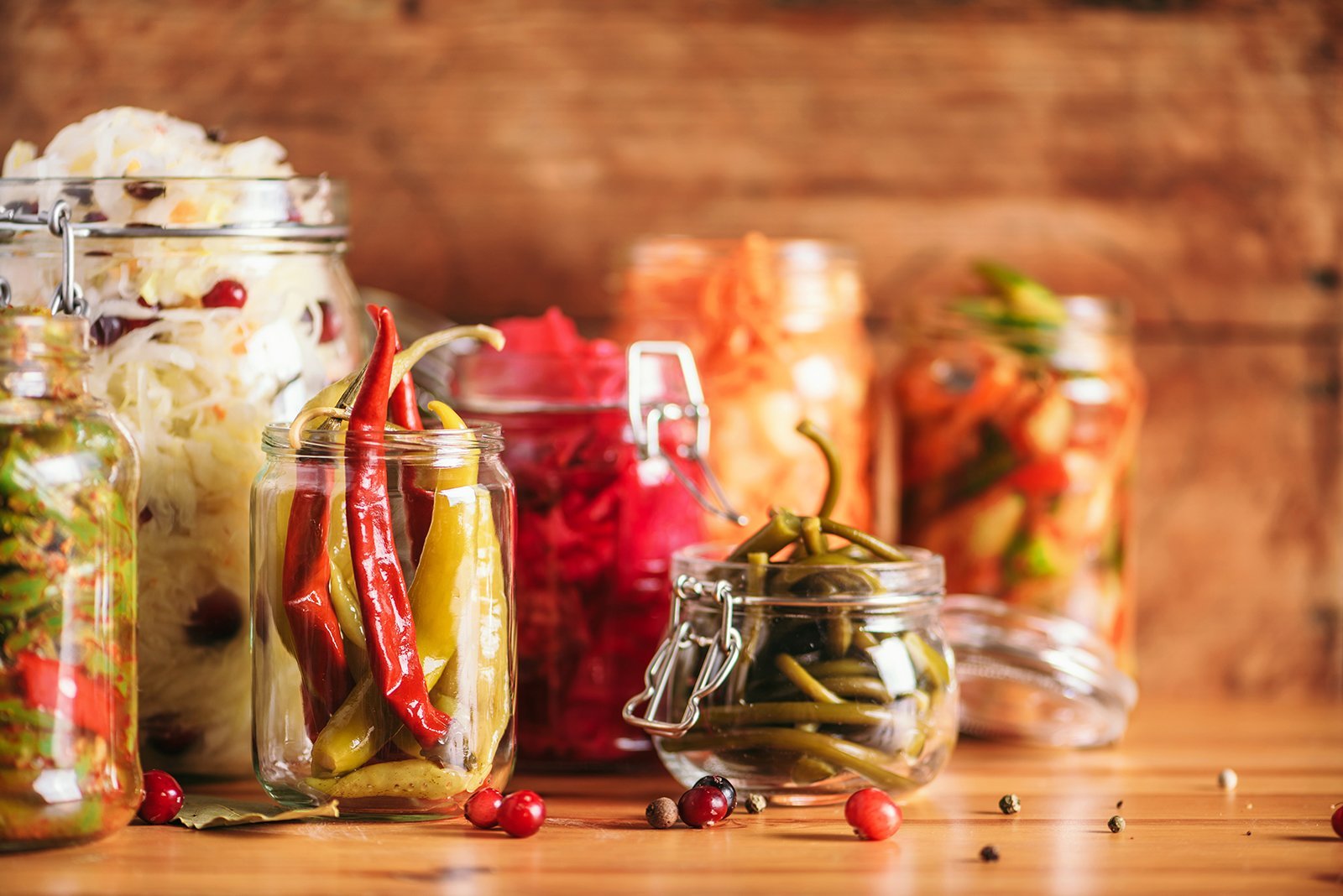
Fermented foods are rich in probiotics—beneficial bacteria that help replenish and support a healthy gut microbiome. These foods include kimchi, sauerkraut, kefir, yogurt, miso, and kombucha. Probiotics help improve gut flora diversity, promote healthy digestion, and enhance the body’s ability to fight infections. They also have a profound impact on mental health, as they play a role in regulating mood and stress via the gut-brain axis.
Regular consumption of fermented foods can aid in the restoration of beneficial bacteria after antibiotic use or during times of stress. They support the production of short-chain fatty acids (SCFAs), which nourish the gut lining and reduce inflammation. Fermented foods also play a role in improving immune function by regulating immune cells in the gut.
3. Prebiotic-Rich Foods
Prebiotics are plant fibers that serve as food for beneficial gut bacteria, helping them to thrive and maintain balance. These fibers promote the growth of good bacteria such as Bifidobacteria and Lactobacilli, which are essential for gut health. Foods rich in prebiotics include garlic, onions, leeks, asparagus, bananas, apples, and whole grains like oats, barley, and rye.
In addition to feeding beneficial bacteria, prebiotics also help improve digestion by supporting the production of mucus in the gut, which protects the intestinal lining. Studies have shown that a diet rich in prebiotics can improve gut health, reduce inflammation, and enhance the microbiome’s resilience to stressors.
4. Healthy Fats
Healthy fats, particularly omega-3 fatty acids, play a crucial role in supporting gut health. These fats, found in fatty fish (salmon, sardines, mackerel), flaxseeds, chia seeds, walnuts, and olive oil, are known for their anti-inflammatory properties. Omega-3s can reduce gut inflammation, support the integrity of the intestinal lining, and help modulate the gut microbiome.
Research has demonstrated that omega-3 fatty acids help regulate the composition of gut bacteria, promoting the growth of beneficial strains while inhibiting harmful bacteria. These healthy fats also support the production of SCFAs, which are vital for maintaining gut health and reducing inflammation.
5. Ginger
Ginger is a powerful anti-inflammatory and digestive aid. It has been used for centuries in traditional medicine to help soothe the digestive system and reduce nausea. Ginger contains compounds like gingerol that have potent anti-inflammatory properties, which can reduce gut inflammation and promote healing. Additionally, ginger has been shown to stimulate the production of digestive enzymes, which support healthy digestion and nutrient absorption.
Studies have suggested that ginger may be beneficial for individuals with conditions such as IBS, as it can help alleviate symptoms like bloating and indigestion. It also supports the gut’s motility, improving regular bowel movements and preventing constipation.
6. Leafy Greens
Leafy greens like spinach, kale, and Swiss chard are excellent sources of fiber, vitamins, and antioxidants, all of which support gut health. These vegetables contain compounds that help reduce gut inflammation, promote healthy digestion, and enhance the function of beneficial gut bacteria. They are also rich in magnesium, a mineral that supports digestive function and helps prevent constipation.
In addition to their fiber content, leafy greens are high in antioxidants, which protect the gut lining from oxidative stress and reduce inflammation. Regular consumption of these nutrient-dense vegetables can improve gut microbiome diversity and help maintain digestive health.
7. Chia Seeds
Chia seeds are packed with fiber, omega-3 fatty acids, and antioxidants, making them an excellent choice for gut health. The soluble fiber in chia seeds acts as a prebiotic, nourishing beneficial gut bacteria. This fiber also helps regulate bowel movements, prevent constipation, and reduce bloating.
Chia seeds also contain anti-inflammatory compounds that support the reduction of gut inflammation. By promoting healthy digestion and regularity, chia seeds can help restore balance to the microbiome and improve overall gut function.
8. Turmeric
Turmeric, a golden spice commonly used in Indian cuisine, is renowned for its potent anti-inflammatory properties. The active compound in turmeric, curcumin, has been shown to reduce gut inflammation and support the healing of the digestive tract. Curcumin promotes the growth of beneficial bacteria while inhibiting the growth of harmful bacteria, helping to maintain a balanced gut microbiome.
Research has demonstrated that turmeric can be beneficial for conditions like IBS, Crohn’s disease, and ulcerative colitis, where inflammation plays a significant role. Adding turmeric to your diet in the form of teas, soups, or curries can have a positive impact on your gut health.
9. Slippery Elm
Slippery elm is a tree bark known for its mucilage content, which forms a gel-like substance that soothes and protects the digestive tract. It helps to reduce inflammation in the gut, heal ulcers, and promote gut lining regeneration. Slippery elm is especially beneficial for individuals with conditions like leaky gut or IBD.
This herb has been used for centuries to treat digestive ailments, and modern research supports its role in gut healing. It works by coating the intestines, helping to reduce irritation and supporting the regeneration of healthy gut cells.
10. Berries
Berries such as blueberries, raspberries, and strawberries are rich in fiber, antioxidants, and polyphenols, which support gut health. These fruits have been shown to reduce gut inflammation, promote healthy digestion, and protect the gut lining from oxidative stress. They also support the growth of beneficial gut bacteria, improving microbiome diversity.
Incorporating a variety of berries into your diet can help reduce inflammation, protect the gut lining, and improve overall gut function, making them a delicious and nutritious addition to your gut-healing routine.
How to Incorporate Gut-Healing Foods Into Your Diet
Incorporating these gut-healing foods into your diet is simple and enjoyable. Here are some tips for getting started:
- Start your day with oatmeal topped with chia seeds, fresh berries, and a sprinkle of cinnamon.
- Add fermented foods like sauerkraut or kimchi to your salads or sandwiches.
- Sip on homemade bone broth or add it to soups and stews.
- Use turmeric in smoothies, soups, and curries to add flavor and anti-inflammatory benefits.
- Snack on a handful of nuts and seeds, and drink plenty of water to stay hydrated.
Final Thoughts: Nurture Your Gut for Better Health
The foods you eat can have a profound impact on the health of your gut microbiome. By incorporating nutrient-dense, gut-healing foods like bone broth, fermented vegetables, and prebiotic-rich fruits and vegetables, you can restore balance to your microbiome, reduce inflammation, and support digestive health. A healthy gut is the foundation of long-term vitality and wellness, and making small, sustainable changes to your diet can help you achieve and maintain optimal health.
References
- Rhoads, D., et al. (2018). The role of fermented foods in gut health. Journal of Clinical Gastroenterology, 52(4), 345-352.
- Möller, H. L., & Nielsen, P. (2021). Impact of prebiotics on gut microbiota. Journal of Nutritional Biochemistry, 94, 108632.
- Stevens, M. R., et al. (2017). The therapeutic potential of turmeric in gastrointestinal diseases. World Journal of Gastroenterology, 23(28), 5063-5072.
- Johnson, J. M., & Smith, R. K. (2020). The benefits of omega-3 fatty acids in gut health. Nutrition & Metabolism, 17(1), 42.