
Gut Health and Poor Sleep: Unveiling the Connection
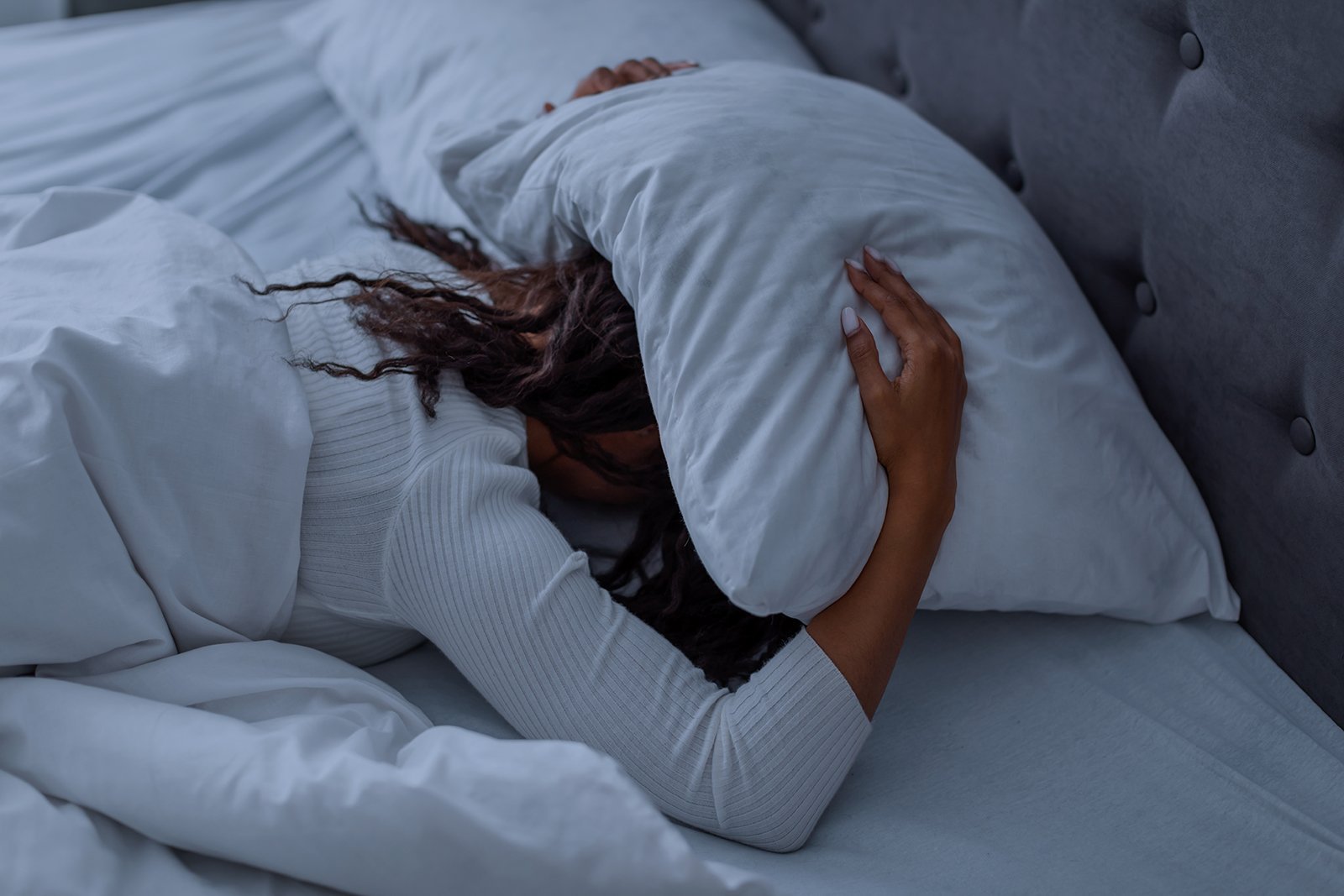
In our fast-paced world, poor sleep has become a common struggle, affecting nearly one-third of adults worldwide. From difficulty falling asleep to waking up feeling unrested, sleep disturbances have become a norm for many. But what if your gut health could be the key to solving your sleep problems?
Recent research reveals that there is a profound connection between gut health and sleep patterns, suggesting that improving one can lead to improvements in the other. Let’s explore the science behind this fascinating relationship and how taking care of your gut can help you sleep better, leading to a more energized, balanced life.
The Gut-Sleep Connection
The gut, often referred to as the “second brain,” is home to trillions of bacteria, fungi, and other microorganisms that make up the microbiome. These microbes play a pivotal role in regulating many bodily functions, including digestion, metabolism, and immune function. But what you might not know is that the gut microbiome also has a direct impact on sleep regulation.
Research has shown that the gut microbiome and the brain communicate through a complex network called the gut-brain axis. This bidirectional communication system allows signals to travel from the gut to the brain and vice versa, influencing everything from mood to cognitive function—and yes, even sleep.
In particular, the gut produces neurotransmitters like serotonin and gamma-aminobutyric acid (GABA), both of which play a significant role in regulating sleep. Approximately 90% of serotonin, the “feel-good” neurotransmitter, is produced in the gut, and it helps regulate mood and the sleep-wake cycle. When the gut microbiome is out of balance, it can disrupt the production of these neurotransmitters, leading to sleep disturbances.
How Poor Gut Health Impacts Sleep
1. Gut Dysbiosis and Sleep Disturbances
When the delicate balance of the gut microbiome is disturbed, a condition known as dysbiosis occurs. Dysbiosis is characterized by an imbalance between beneficial and harmful bacteria, leading to an overgrowth of harmful microbes that can negatively affect your health. This imbalance has been linked to various health issues, including sleep disturbances.
In particular, dysbiosis can disrupt the gut-brain axis and impair the production of sleep-regulating neurotransmitters. For example, an imbalance in gut bacteria can lead to reduced serotonin levels, making it harder for you to fall asleep or stay asleep. Additionally, certain types of harmful bacteria produce pro-inflammatory molecules that can activate the body’s stress response, leading to heightened cortisol levels—your body’s primary stress hormone—which can further disrupt sleep.
2. Inflammation and Poor Sleep
Inflammation is another critical factor in the connection between gut health and sleep. An unhealthy gut microbiome can trigger chronic low-grade inflammation throughout the body, which has been linked to a variety of sleep problems. Inflammation can disrupt the normal sleep cycle, increase the time it takes to fall asleep, and reduce the quality of sleep.
Research has shown that high levels of inflammation are associated with conditions like insomnia and sleep apnea. The inflammation caused by dysbiosis can lead to an overactive immune system, which interferes with the body’s natural circadian rhythm, resulting in poor sleep quality.
3. Leaky Gut and Sleep Disruption
A compromised gut lining, commonly referred to as leaky gut, can also contribute to sleep disturbances. Leaky gut occurs when the tight junctions between the cells lining the gut become weakened, allowing toxins, undigested food particles, and harmful bacteria to leak into the bloodstream. This can trigger an immune response and increase inflammation, which, as mentioned, is detrimental to sleep.
Leaky gut has been linked to a variety of conditions, including autoimmune diseases, digestive issues, and sleep disorders. The stress caused by leaky gut and the inflammation it triggers can make it more difficult to fall asleep and stay asleep.
Signs Your Gut Health Is Impacting Your Sleep
If you’re experiencing persistent sleep issues, your gut health could be the culprit. Some common signs that your gut may be affecting your sleep include:
- Difficulty falling asleep or staying asleep
- Waking up feeling unrefreshed
- Frequent nighttime awakenings
- Increased stress or anxiety, particularly before bed
- Digestive issues such as bloating, gas, or constipation
- Fatigue or brain fog during the day
If you recognize these signs, it may be time to take a closer look at your gut health and address the imbalance that could be disrupting your sleep.
Steps to Improve Gut Health and Sleep Quality
1. Probiotics for Gut Health
Probiotics are beneficial bacteria that help restore balance to the gut microbiome. Research has shown that probiotics can reduce the symptoms of dysbiosis, improve gut function, and even enhance sleep quality. Certain strains of probiotics, such as Lactobacillus and Bifidobacterium, have been shown to promote relaxation, reduce anxiety, and improve sleep.
Incorporating probiotic-rich foods like yogurt, kefir, sauerkraut, and kimchi into your diet is a great way to support your gut and improve your sleep. You can also consider taking a high-quality probiotic supplement to further support your gut health.
2. Prebiotic-Rich Foods
Prebiotics are foods that nourish the beneficial bacteria in your gut. They are typically fiber-rich and found in foods like garlic, onions, asparagus, and bananas. Prebiotics help support the growth of healthy gut bacteria, promoting balance and improving gut function. A balanced gut microbiome, in turn, can improve your sleep quality by ensuring the production of sleep-regulating neurotransmitters.
3. Reduce Inflammatory Foods
Inflammatory foods, such as refined sugars, processed foods, and trans fats, can exacerbate gut dysbiosis and increase inflammation in the body, leading to poor sleep. Reducing your intake of these foods and focusing on anti-inflammatory options like omega-3 fatty acids (found in fatty fish, flaxseeds, and walnuts) can help reduce inflammation and improve both gut health and sleep.
4. Manage Stress and Anxiety
Chronic stress and anxiety can disrupt your gut microbiome and negatively impact sleep. Practices like mindfulness meditation, deep breathing, and yoga can help manage stress levels and support gut health. By reducing stress, you can help restore balance to your gut and improve your ability to fall asleep and stay asleep.
5. Prioritize Quality Sleep Hygiene
In addition to addressing gut health, practicing good sleep hygiene can make a significant difference in your sleep quality. Creating a calming bedtime routine, avoiding screens before bed, maintaining a consistent sleep schedule, and keeping your bedroom cool and dark can all promote deeper, more restorative sleep.
Final Thoughts: Heal Your Gut for Better Sleep
The connection between gut health and sleep is clear: an imbalanced gut can lead to poor sleep, and poor sleep can further disrupt gut function. By nourishing your gut with probiotics, prebiotics, and anti-inflammatory foods, you can promote a balanced microbiome and enhance the quality of your sleep. Managing stress and practicing good sleep hygiene can further support this process, helping you get the rest you need to feel energized and focused throughout the day.
If you’re struggling with sleep disturbances, it may be time to consider how your gut health is influencing your rest. Prioritizing gut healing could be the key to unlocking better, more restful sleep—and a healthier, more vibrant life.
References
- O’Mahony, S. M., et al. (2015). The gut microbiome and mental health: Implications for anxiety- and depression-related disorders. Journal of Clinical Psychiatry, 76(9), 1408-1417.
- Tillisch, K., et al. (2013). Consumption of fermented milk product with probiotic modulates brain activity. Gastroenterology, 144(7), 1394-1401.
- Carabotti, M., et al. (2015). The gut-brain axis: Interactions between enteric microbiota, central and enteric nervous systems. Annals of Gastroenterology, 28(2), 203-209.
- Zhan, X., et al. (2020). Inflammation in the gut and its effect on sleep. Journal of Neuroinflammation, 17(1), 45.