
The Hidden Dangers of Breast Implants: Exploring the Connection to Autoimmune Conditions
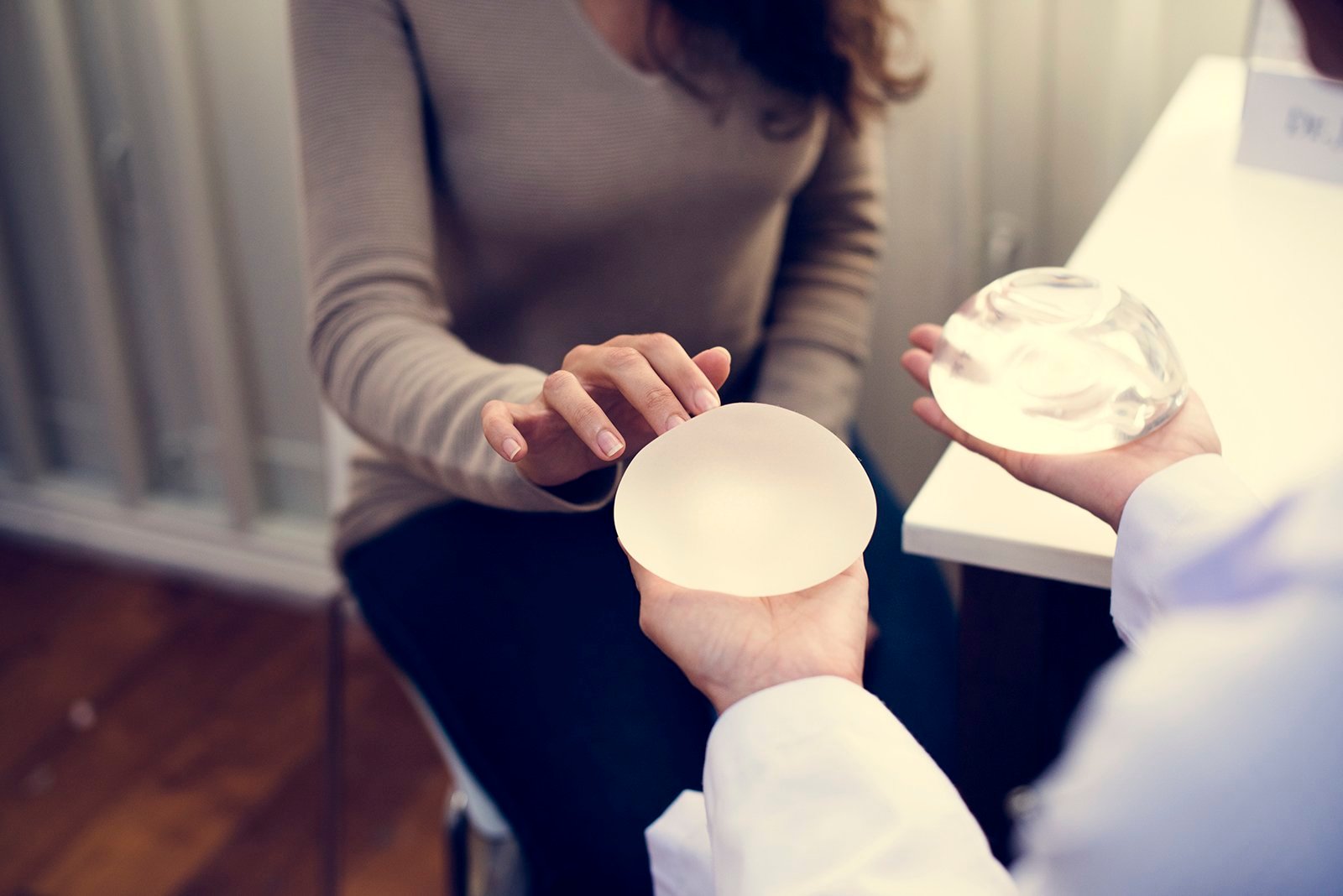
TL:DR: In this episode of “Back to the Basics,” Dr. Cassie Smith sits down with holistic plastic surgeon Dr. Robert Whitfield to chat about breast implant illness. Dr. Whitfield shares his personal journey, starting from his work in oncology to now focusing on breast implant illness. He talks about common symptoms like chronic inflammation, fatigue, and joint pain. Dr. Whitfield stresses the importance of doing thorough evaluations, which include genetic testing and toxicity assessments, before deciding on surgery. They also delve into the history of breast implants and why it’s crucial to have a holistic, patient-focused approach to care. Dr. Whitfield believes in making informed decisions and conducting comprehensive health evaluations to promote effective healing.
About Dr. Robert Whitfield: Dr. Robert Whitfield is a board-certified plastic surgeon with over 25 years of experience, specializing in Breast Implant Illness (BII) and explant surgery. He earned his medical degree from the University of Nevada School of Medicine in 1996, followed by six years of surgical training and a plastic surgery residency at Indiana University Medical Center. He further honed his skills with a microsurgery fellowship in Nevada before serving as a faculty member at the Medical College of Wisconsin for seven years.
In 2012, Dr. Whitfield relocated to Austin, Texas, where he established his private practice in 2017. He has performed over 5,000 breast procedures, including more than 1,500 implant removals. Dr. Whitfield is also the author of ”SHARP,” a book detailing his holistic approach to surgical preparation and recovery. He is recognized for his commitment to patient safety and his integrative approach to aesthetic and reconstructive surgery.
Relevant timestamps:
- 00:00:01 Introduction to Breast Implant Illness
- 00:00:54 Dr. Whitfield’s Background
- 00:02:07 Journey into Breast Implant Illness
- 00:03:18 Discovery of Infection and What It Means
- 00:05:39 Rise of Breast Implant Illness Awareness
- 00:08:41 Functional Approach to Patient Care
- 00:12:07 Importance of Comprehensive Testing
- 00:13:08 The SHARP Method Protocol
- 00:19:37 Autoimmune Conditions and Breast Implants
- 00:32:26 Holistic Recovery Program
Cassie info and links:
Check out the website
Follow Cassie on Instagram
Follow Cassie on Facebook
Follow Cassie on YouTube
Follow Cassie on TikTok
Guest info and links:
Instagram @breastimplantillnessexpert
YouTube @breastimplantillnessexpert
NVISN Labs DNA Testing – https://nvisnlabs.com/
Rob’s Solutions Supplements + Testing (GI Map, Total Tox, DNA, Blood Panel, Food Sensitivities) – https://drrobssolutions.com/
Podcast – Breast Explant Surgery & Recovery
Podcast – Explant Breast Surgery and Recovery
Rob’s Book – Strategic Holistic Accelerated Recovery Program – A book by Dr. Robert Whitfield, Paperback, EBook
Transcript:
0:01 it’s Dr Cassie Smith and welcome to back to the basics a simple approach to
0:06 Health in the modern world I appreciate you taking the time to join me today and hopefully learn ways that could help you
0:12 improve your health the modern world has left little time to focus on health and wellness I hope to give you some quick
0:18 and simple ways to be well and live your best life welcome back to this week’s episode of back to the basics I’m your
0:25 host Dr Cassie Smith I’m a board certified endocrinologist who left traditional medicine in 2020 when I
0:31 realized my patients were no longer getting better with traditional medicine I currently practice holistic functional
0:37 medicine in Oklahoma City and today I’m going to be talking to you about breast implant illness it’s a growing concern
0:44 among women since around 2019 35 million women worldwide and 3.5 million women in
0:52 the United States have breast implants and about 1% of those women developed something called breast implant illness
0:58 breast implant illness refers to a wide range of systemic symptoms that are chronic inflammatory in nature including
1:06 fatigue joint pain memory issues like brain fog rashes and sometimes anxiety
1:14 that some women report experiencing after getting breast implants although the exact cause is not fully understood
1:20 and it’s not recognized as a formal medical diagnosis by most Healthcare
1:26 Providers a lot of providers will attribute these symptoms to an autoimmune or inflammatory response to
1:32 the implants although people a lot of times find relief after the implant is removed
1:38 the main issue is that there’s no definitive diagnosis and there’s no specific test to diagnose breast implant
1:44 illness it’s often diagnosed by ruling out other potential causes and symptoms
1:49 today I’m interviewing Dr Robert Whitfield who has a background in oncology he’s now an expert in breast
1:56 implant illness and proper removal of implants in patient with breast implant illness he wrote a paper showing that
2:03 29% of the implants he removes have bacterial infections with ecoli or staff
2:10 proven by PCR after he explants these implants Dr Whitfield believes that
2:15 testing for underlying inflammatory issues like hormones hormonal imbalances gut issues thyroid disease mold exposure
2:24 and food or environmental allergies is crucial before considering explant surgery
2:30 he states that the typical age that people he sees are between 35 and 55 2:36 years old women who have implants who also have chronic inflammation and have tried traditional medicine Avenues and
2:43 maybe even functional medicine approaches but are still feeling inflamed and very poorly I truthfully found this disease
2:50 fascinating because I was a woman in my mid-30s who was developing a lot of inflammatory issues and I couldn’t get
2:57 answers so as a woman in my late 30s now who had chronic inflammation for years I
3:03 asked him all the questions I would have wanted to know about this condition several years ago we cover things like
3:10 are older versus newer implants safer is there a certain type of implant that is
3:16 safer we already mentioned that bacterial infections are common with implants but I wanted to know what about
3:22 mold is it common to see mold with implants because I see more and more people with mold in general we talk
3:29 about is there a way that you can test sensitivities to silicone or nickel or
3:34 Metals before you take these implants out at what age should you consider removing your implants so if you have
3:40 implants that are 10 years old or 15 years old or 20 years old what is the
3:46 answer to that like when do these implants need to come out is there an Imaging study or modality that you can
3:51 use to tell if your implant needs to be replaced are there options to remove
3:57 implants not replace implants and still have normal looking breast
4:02 tissue so for these women out here who think that they may want their implants removed because they may have breast
4:07 implant illness what are their options what about fat transfer is there a maximum amount of fat that you can
4:14 transfer I asked him if you have an autoimmune condition are you more likely to have breast implant illness so I have
4:20 Hashimoto and I wanted to know with hashimotos are you more likely to have breast in plain illness we talked about
4:27 how long does it take to develop breast implant illness after you get an implant
4:33 is everyone going to get it at the same amount of time do some people take longer to develop it how fast do
4:39 symptoms get better after implants are removed what do Patients First notice as
4:44 far as this feeling better like what are they supposed to know if you get your implant removed how are you going to
4:50 feel better we talked about our if you have implants can you safely use sais
4:56 and by that I mean can you get an infrared stonis can you get in Ste saas can you get in dry saas can you get in
5:03 cold plunges what does it mean if you feel worse after you get in a sauna I have
5:09 lots of people who write to me and say I just feel worse after I get in saunas what does that mean so we ask the expert
5:15 does that mean you have breast implant illness are there any types of exercises that you should not do even months after
5:22 healing when you have breast implants some people say there are certain things you should and shouldn’t do so I asked him all of that when you remove an
5:30 implant How likely is it that it will rupture so if somebody wants these removed and maybe they haven’t ruptured
5:35 what’s the likelihood that it will what should we be doing to help patients before surgery we had a big discussion
5:41 about this he’s very big on making sure that prior to surgery you are optimize which I love so we need to be proactive
5:49 in this country we don’t want to be reactive surgery creates inflammation so
5:55 what can we do to help lower this and help heal and help people recover and so we talked about oxygen therapy ozone
6:02 therapy red light therapy lymphatic massage fixing your gut micronutrient deficiencies peptide therapy he gives us
6:09 a rundown of all of that prior to surgery we talked about the sharp method
6:15 which emphasizes a holistic approach to Patient Care and healing it’s a book that he wrote actually about making sure
6:21 that you’re optimized for surgery and then we talked about again how patients should be prepared for surgery to
6:26 minimize inflammation and what are some tips you can do we talked about mindset and does that play a crucial role in
6:33 recovering from surgery and we also talked about alcohol how does alcohol affect recovery and surgery so buckle up
6:41 this episode is packed with all the information you will want to know or
6:46 maybe that you didn’t even know you needed to know about this emerging chronic inflammatory disease of breast
6:51 and plant illness welcome back to this week’s episode of back to the basics thank you
6:58 for joining me this week we are going to talk about something a little different this week something called breast
7:04 implant illness and lucky for you guys I found the best of the best to discuss this so a lot of women reach out to me
7:11 and ask me about this is this a real thing you know is it something that I should consider having my implants
7:17 removed does it affect my Hashimoto and so I have Dr Robert Whitfield he is the
7:23 world-renown holistic plastic surgeon certified by the American Board of plastic surgery he’s a leading expert in
7:29 breast and plant illness known for his pioneering surgical techniques and groundbreaking no cut facelift with a
7:36 deep specialization in oncology and micro surgery Dr Whitfield is at the Forefront of Advanced Breast explant
7:43 procedures delivering exceptional outcomes for patients worldwide his practice in Austin Texas is built on the
7:51 Strategic holistic accelerated recovery program an Innovative protocol that optimizes recovery and promotes
7:58 comprehensive healing this approach combines Advanced testing with personalized care strategies
8:04 setting new standards in patient centered surgery Dr Whit’s work has earned him recognition on the Texas
8:11 super doctors list as one of the best doctors in America as the host of the popular podcast breast explant surgery
8:18 and Recovery he shares patient stories explores cuttingedge treatments and discusses the latest advancements in
8:24 plastic surgery further solidifying his status as a trusted Authority in the feel thank you for joining me on this
8:32 episode thank you for having me after that making you read all that yeah of course so I do get a lot of questions
8:40 about breast implant illness this is kind of a newer thing so I guess maybe can you tell people how you got started
8:46 in this like a little bit like you know how did you get here how did you become the breast implant illness expert and
8:53 then we have lots of questions to ask you about bre sure for everybody listening my
8:59 background is oncology so I really appreciate the opportunity to talk to the audience about this topic breast of
9:05 plant illness it was a new thing for me after spending most of my time doing
9:10 oncologic reconstruction for patients with breast cancer head neck cancer and sarcomas um 2016 I had a breast cancer
9:17 patient come to me and ask for me to actually remove an implant-based breast
9:22 reconstruction and make them flat um she was just tired of having her
9:27 reconstruction didn’t wanted anymore and we did her workup and um when I would remove any
9:35 implant material I would always take all the patient scar tissue around it we’d send it off for pathology to make sure
9:41 they had no current cancer and then we’d send it for uh microbiology testing make
9:46 sure there was no bacteria fungus microbacterium anything like that that were horing the patient so we did H case
9:54 she did extremely well and uh as we saw her postoperatively in the first week
9:59 she had U no evidence of recurrent cancer which is obviously first and foremost but she had an ecoli infection
10:06 and this was something that we could not find on any of the laboratory testing this was locked in the tissues around
10:14 the implant so there’s scar tissue around the implant they like an Easter egg with candy inside and the implants
10:20 candy the shell is what your body produces around the implant so that’s
10:25 your Scar Tissue So within that she had locked in there eoli and and you know
10:33 people ask me how she got an ecoli infection and typically when we’re older if we got a urinary tract infection or
10:39 we had some level of translocation from our gut because we had an overgrowth in
10:44 our gut or a colitis or something those would be the most common reasons for that bacteria to get in the bloodstream
10:51 and then ultimately attach to an implant in this case it was her breast implant in other instances it could be a hip or
10:57 knee implant she ultimately put me on a I think a Facebook group and I just had
11:04 patients start calling my office requesting explant procedures which at the time was pretty confusing to my
11:10 office they didn’t really understand why that was being requested they thought it was an error and um as we started to see
11:19 those patients more and more of them were cosmetic patients looking for this
11:24 procedure and not cancer patients so uh forward now I’ve done thousands of
11:31 xplant procedures and recently published a paper about our experience uh with finding bacteria on them about 29% of
11:38 our explanted specimens have bacteria okay so lots of explants you’ve
11:46 done for more not even just oncology but just cosmetic so people that had breast
11:51 augmentation and then maybe have symptoms or or just feel like they want them to come out so when let’s talk
11:59 about breast implant illness when did that really become like a thing you know like because I I mean I remember hearing
12:06 about it but it’s it’s really been a thing the last like two to three years right but when did you start hear were
12:13 hearings about uh breast implants in 2019 held by the FDA and I gave public
12:19 testimony about breast implant illness at those hearings in 2019 and then in October of that uh year
12:30 they put forth the blackbox warning about implants and um it’s been known uh
12:38 certainly before that time and became more prominent in that uh period of time and then I think year overy year there’s
12:45 more and more awareness uh I’ve tried to do our part
12:51 with education with podcasting or on YouTube or through trying to do um
12:57 public speaking or giving um the paper we published so we’ve we’ve tried to grow the awareness I think it’s
13:05 better now but there’s a long ways to go so 2019 it kind of became a thing and
13:12 then you’ve been you know taking them out for what five years well you said in
13:19 2016 so you’ve been taking them out for eight years now yeah how does how does somebody go about I guess my question is
13:26 like the people who come to you and say I want these removed are they having a certain like Triad or Myriad of symptoms
13:33 or is it just pain or what what do they typically say well I think um many
13:40 functional providers will see patients who have chronic inflammation so this is
13:46 that patient except for this patient has a breast inl so they typically go
13:52 through a pretty rigorous amount of testing on you know traditional Western
13:58 medicine you know through Rheumatology workups or endocrine workups or things like that looking for as they should
14:04 other problems and then many of them kind of deviate into the functional or
14:09 integrative world when that doesn’t kind of satisfy you know what’s going on
14:16 typically at that point if they’ve tried different protocols to improve their wellness and haven’t been successful
14:23 either through you know diet change Lifestyle Changes supplementation maybe they’ve try to do
14:29 different cleanses or um work you know through uh you know breath work I mean
14:36 they’ll try anything before they come see me nobody wants to actually come see me and have surgery so the the nature of
14:44 this is you know exhaust all of the you know possibilities before you come see
14:50 someone like me now our program is a little bit different in that we take a very functional approach we look at
14:57 genetic testing we look at toxicity burden gut health metabolomics hormone
15:03 balance food sensitivities we try to be as careful as possible to highlight um
15:08 and create a lot of opportunity to heal not just do a surgical treatment
15:14 plan so what type so so these are people that just have the Myriad of like
15:20 chronic fatigue brain fog weight gain is that is it that type
15:25 of person or is there like One symptom in particular that stands out to you no uh chronic inflammation at the point
15:32 where I see patients is affecting virtually every system so they may have
15:37 um from head to toe problems you know head head uh symptoms or head nice any
15:44 symptoms to do with you know brain fog lack of focus can’t remember
15:50 things light sensitivity Sound Sensitivity they can have dry eyes
15:56 chronic sinusitis a cough ulty swallowing chest pain shortness of
16:01 breath palpitations they can have muscular symptoms joint pain they can
16:07 have neuropathic symptoms in their arms and legs they can have vibrations they can have all sorts of gut problems from
16:14 looting and swelling to constipation and diarrhea um they can have gi you know um
16:21 sorry uh reproductive tract issues intractable UTI bacterial
16:27 vaginosis skin manifestations like total body cystic acne uh atopic
16:34 dermatitis pretty much if you can name something I’ve probably had somebody come to my office and and describe it so
16:41 anxiety and depression as well ADHD type symptoms okay and then these are people
16:46 who have like you said exhausted more of a functional medicine route so they’ve done the things they’re supposed to with
16:52 their diet they’ve maybe had GI you know map testing they followed that protocol and then they’re still having
16:58 inflammatory markers that are really high and people can’t figure out why maybe they have like a high TPO with
17:04 Hashimoto or maybe they have really high insulin levels or uric acid CRP that
17:09 sort of thing CRP is not really sensitive in this problem okay so we looked at that for
17:15 several different years and couldn’t ever get a handle on it being a real
17:21 marker so uh we looked at thromboxane A2 and the urine for a while and that was
17:27 pretty sensitive uh but it can be affected by diet very easily so just adding tumeric or
17:33 curcumin in your diet can affect it taking an anti-inflammatory can affect it so it’s not so easy to nail down
17:41 there’s a new paper out this year that um looks at a substance called oxy lipen
17:47 ome which uh is an interaction between it’s a it’s a
17:52 product created by the interaction between bacterial bofilm and the breast tissues OIC acid that oxidizes and
17:59 creates oxyen ome it creates many of the symptoms that I just described that’s
18:05 like a blood test that you can order there is no test for it it’s been shown in research uh to be a molecule that is
18:12 responsible and reproducible for some of the symptomology so we’re hoping that within the the next hopeful you know
18:19 next calendar year that there is a a test that be done for that so then what
18:24 so you typically do go ahead and do like food sensitivity tests on people and I heard you say GI Maps toxicology genetic
18:32 testing stuff like that is that just to make sure that they don’t have some problem that somebody didn’t uncover
18:37 before you go do this or you said it’s to help them heal so this is just a chronic inflammatory process so if you
18:43 were to take out an implant and missed the fact they had a mold toxicity or they had a really high phalate level or
18:49 had a th gly glyphosate level or if they had a parasitic infection in their gut or they didn’t know they shouldn’t be
18:55 eating avocados because it triggers them or they have a a nearly undetectable
19:01 level of a hormone you’re not really doing your job that’s probably fair in all of functional medicine I would say
19:08 yeah General when you when you look at traditional versus functional medicine I would agree so you don’t definitely want
19:15 to do surgery on somebody unless you’ve rolled out other causes for this is what you’re saying and so if somebody comes
19:22 to you is this something that you guys have like a panel that you do of all this stuff or you kind of look at what
19:27 they’ve done before like what is your process and seeing these patients yeah I wrote a book about this it’s called the
19:32 sharp method it’s my protocol I don’t interact with patients who don’t participate in that program so that’s
19:38 done on every single patient that I see who I operate on okay so if patients want to come and see you then is this
19:45 like they call your office they get the book first or how does that go um so many people actually now show up having
19:51 read the book so um we give it to our patients who uh come in and are going to
19:57 have surgery it’s not the uh you know I I put it out there so people can
20:03 understand there’s actually a method that you can follow for any type of surgery to get a more efficient recovery
20:09 so that’s what it’s really about it’s trying to clarify what somebody does from a genetic standpoint like you can’t
20:16 pick your parents and you can’t outrun a bad diet so those are the kind of benchmarks that we try to set up to just
20:23 to explain to people like there is a reason why you have trouble with this part of it’s genetic part ofit your diet
20:31 fluid quality and air quality and other factors things you put on your skin like things we get exposed to a certain point
20:38 you genetically cannot handle how many exposures you get and then if somebody today I talked to somebody who uh like
20:45 many people went to college lived in an old dorm and had mold in it and there maybe their first place after college
20:52 was an old place and it had mold in it so you can kind of see over time how this is a problem so I think mold’s a
20:59 really underappreciated uh pathogen in this process so do you do people get
21:04 mold tested prior to you doing the surgery yeah we do a urine talkx test on
21:10 everybody a provoked urine talkx test and then I guess a lot of my listeners are going to have questions about so
21:17 obviously the you know symptoms that you gave lots of symptoms uh there are a lot
21:22 of people that listen to this podcast that are seeing punctal medicine providers and so they may be thinking okay well maybe you know this is is um
21:29 you know something I want to consider does it matter how long they’ve had implants like is there a certain time
21:35 where implants were safer a certain type of implant does any of that matter in our study the short answer is
21:41 no so it doesn’t matter the Vintage really um you know the the older
21:48 implants from like the 80s of course had a much higher rupture rate because of the shell technology so if you kind of
21:55 fast forward to the 200 eight to present generations of devices they’re all a bit
22:03 engineered you would say more equally um in our study that we
22:12 published we didn’t have big differences in smooth versus textured implants round
22:18 versus shaped implants saline versus silicone implants it didn’t
22:23 matter there were no statistical differences in those does so so if you
22:29 had an implant prior to let’s say 2008 because you mentioned that do you recommend that people have those out and
22:36 replaced with different implants just if somebody’s listening let’s say somebody had an implant in 1990 they’ve never had
22:42 an issue and they’re listening to this would you say those need to come out and you need to get a newer model so those
22:48 devices had inferior shell technology so most people don’t drive a car from 1990 22:54 so doesn’t mean those breast implants are good either so they should go see somebody and have them checked out uh
23:02 there’s highdefinition ultrasound that can look at them mammograms might be too aggressive on that vintage of an implant
23:08 you could do a breast MRI um there’s something called QT Imaging which uses high frequency
23:14 ultrasound and no radiation so there’s lots of ways to look at it uh rather than um going get an exchange I think it
23:22 depends on the person’s perspective right I have a lot of people trying to live a more non-toxic alistic LIF style
23:29 so that doesn’t align with what they want to do so they’ll typically come and decide I just want these out or I want
23:36 to have a breast lift or I want to have a breast lift and augmentation with my own fat something like that so there are
23:42 options to remove breast implants and still do something with the breast tissue that looks more I guess better
23:49 you can reshape the breast tissue yeah you can reshape it you can add volume uh many patients I see probably could have
23:56 had a brast lift um and uh that would have served them well versus a small
24:03 implant small implants that are under like oh I’ve taken some out recently
24:10 that were really small under 200 cc so a cup size is roughly 200 cc if you want
24:15 to think of it that way so you have to weigh the risks and benefits of doing that of having an implant so how much so
24:23 let’s say somebody has a breast implant of 400 C right how much you took that
24:29 out how much fat could you get from someone and like I guess restructure that like would they how much different
24:35 in size would they be you know if you removed that and tried to fix it more naturally can you do that is there like
24:42 a max amount that you can do does it depend on the size of the person um it’s a a combination of their skin stretch
24:48 and the size of the breast um the the fat goes in the fatty compartment which
24:54 is underneath our skin above the breast tissue it’s not in the breast tissue and it’s not where you took the implant at
25:02 so just like a shirt on the front I’m pocket on the front of a shirt think of
25:07 that as like beneath the skin that’s where the fat goes and when that’s full you can’t just keep putting fat in there
25:13 because it’s not going to get more full or or make it more uh shapely it’s going
25:20 to potentially create too much pressure and harm what you just did so we try to remain you know conservative
25:28 fat is not an implant it can’t create projection like an implant it’s uh
25:33 basically you’re doing a fat you know grafting procedure and you can only put so much in there based on the patient
25:41 you know physical characteristics and skin stretch and size of their brins okay so do you
25:48 find people that have this issue that come to you that have these removed do
25:54 they are they people who have a lot of autoimmune conditions generally or is it I mean are most of them do they have
25:59 other autoimmune conditions since this an inflammatory condition or you know is it 5050 what do you typically see are
26:05 there a lot of Hashimoto people are there a lot of people in in menopause like what ading people are youing that’s
26:11 was a great question I mean autoimmune diseases started in the late 1800s and the first breast implant was placed in
26:17 1962 so autoimmunity began long before breast implants came around um not to
26:22 say that that didn’t exacerbate some of the problems we see but hashimotos is probably the that we see most frequently
26:30 and then I have a whole you know smus Board of everything else there’s nothing that stands out you know specifically
26:37 people will talk a lot about chogrin you’ll see you know potentially increases in that I just did a a show
26:44 recently and I was asked about that so you know if you took all the people that
26:50 have chronic inflammation without implant you would see almost virtually the same things that’s why it’s so
26:57 confusing so we’re not saying that chronic inflammation doesn’t exist in the patient population who don’t have
27:03 implants this just ends up being a more complicated situation because in addition to all that problem that exists
27:10 they have an implant and that doesn’t make it any easier for their system so what I see in my practice and I mean
27:18 tell me if this is what you see but you know I see a lot of functional medicine patients I see a lot of I do a lot of
27:23 extensive blood work it’s becoming harder to find people that don’t have HS
27:29 to be honest with you like the people who see me so if you’re not feeling well and you’re sick it’s usually from inflammation and I mean I see so many
27:36 people with hashimotos that have no idea they have hashimotos you know they have really high TPO antibodies really high
27:42 TG antibodies I check High sensitivity CRPS uric acid ESR you know I check a
27:48 lot of different things lipoprotein a and I mean all these things will be off the chart and a lot of people that have
27:54 no idea that they’re even they even have it an autoimmune issue so I would think
28:00 in you like when you’re doing this that a lot of these people that you’re taking implants out have probably have hashimotos but I don’t know necessarily
28:06 that you can correlate the Hashimoto caus it it’s just a lot of people have hashimotos and insulin resistance yeah I
28:12 don’t correlate it I mean just like you said you’re seeing a bunch of people have it regardless so it’s I don’t it
28:18 doesn’t correlate with my patient population I you know I see it because it seems like the thyroid goes off first
28:25 and people have just a lot of inflammation so it’s sensitive obviously and it’s a bad you know situation but I
28:33 tell people who get put on a lot of medication for their thyroid that after xplant they have to be very cognizant of
28:40 hyperthyroidism symptoms because the bioavailability of a a drug if they’re
28:45 on a synthetic especially will become very very uh prominent you know and I’ve
28:51 had people get thyroid storm after expan so just because they’re on too much so more of like a you know like were
28:58 causing this so they’re on too much medication do you so do you think that
29:03 half of your patients that have the surgery of hashimotos or is it more than half I I couldn’t tell you one way or
29:08 the other I don’t even I it’s not something that I I worry about anymore they’re either on that and I tell them
29:15 to monitor it but I can’t tell you a number okay do you feel like the
29:20 patients you do this in are more of them like younger 20s 30s or are you getting
29:26 more like menopausal age when in like 50 60 is there like a correlation with age
29:31 do you think I usually see uh somebody average age 35 to 55 35 to
29:38 55 okay is there any sort of research that
29:43 shows or what you’ve seen in patients like is there an amount of time from when you get an implant till when you
29:49 develop this or is it just kind of depending on the person like if you had an implant in 1980 did you start you
29:56 know getting symptoms in 20 you know 20 years later and now are the symptoms coming sooner or it just kind of depends
30:02 on the person and the inflammatory status that they have yeah I I feel like there’s way too many factors involved in
30:08 that to make a judgment so basically people wander around dealing with their
30:13 problem until they become problem aware then they try to do something about it
30:18 and once again nobody wants to come see me and have surgery like they’re going to try to do everything that they
30:24 possibly can to avoid that okay so the last like one of the other questions I
30:29 have is how fast do symptoms get better so somebody comes to see you they’ve exhausted all their options and they get
30:37 these you know they get explant of their implants do they feel better the next day does it take three months like when
30:43 do they tell you they start feeling better and what do they notice first as far as like feeling yeah I think that’s
30:48 a good question in our experience people who are having problems with their
30:54 implants and I have a patient Lauren bosk the host of the skinny compy idial with her husband Michael who was a very
31:00 aggressive person when it came to sauna and she would sauna up to uh almost 220 31:07 degrees multiple times a week hour hour and a half at a time and each time afterwards she would
31:15 talk about how bad she felt so basically she was giving herself a heren reaction each time she you know did a sauna
31:22 session so I did her xplant procedure it went extremely well and in the recovery
31:28 room she said she felt a lot better we thought she was kind of on drugs and just kind of you know typical um but
31:36 every day after that and week after that she got better and better and better
31:41 now hers was a very different type of issue so if someone has a implant shell
31:47 that’s leeching chemicals or breaking down when you remove all that and
31:53 hopefully do it all intact like we try to do every time that’s a big burden to taken away from some from a immunologic
32:01 standpoint if someone has an infection similarly if you take all that out without spilling any of it or disrupting
32:08 it that’s also going to help relieve a big burden from their immune
32:13 system so in those instances those patients typically recover quicker and
32:18 feel better quicker if someone has mechanical symptoms from scarring or
32:23 nerve pain from scarring it’s variable sometimes they wake up and feel a lot better they can breathe easier there’s a
32:30 lot less pressure on their chest so those are all relatively normal um but
32:36 from a you know chronic inflammation standpoint many people who don’t detox well many people have a high toxicity
32:42 burden it’s going to take them weeks to months of work both on their guts and
32:47 everything else before they start really feeling better yeah so in general like inflammation you know you can’t come to
32:53 somebody chronically inflamed with you know 10 problems like the last person I said saw right before I came here you
32:59 know she’s got 11 problems you can’t expect that she’s going to feel better in two weeks but as you work on these
33:05 things they get better so you brought up the sauna and I have a lot of people who ask me about that when I post about
33:11 sauna so if you have breast implants is it safe to get in the sauna so what I tell folks based on that experience is
33:18 if you’re feeling bad after you go in the sauna it’s probably not what you should be doing like you shouldn’t feel
33:26 worse have to go in in the sum so if that’s the case then you know like I
33:32 said before you’re probably giving yourself a Herkimer type reaction because you’re exceeding what you can
33:39 detoxify so I just tell people that want to enter our program to pause using the
33:45 sauna not throw it out not sell it and then after we do their xplant and about 90 days after xplant we’ll have them
33:51 resume you know more of a controlled gentle type uh use of their s 90 days
33:59 after yeah but if you have so if you’re listening to this and you have breast implants and you use fauna and you don’t
34:06 feel terrible afterwards I mean obviously you’re going to be hot but if you’re not you know dizzy and confused
34:13 and want to faint and just feel icky then it would be okay to continue to use the song yeah I mean I just try to be
34:20 practical based on our experience we have a a very high number of patients who use infrared uh lesso that have
34:27 barrel saas of course because that’s more uh difficult um from a you know just access stand Point unless you’re at
34:34 a a place that has one on site you go there and use it so I think we’re just
34:40 trying to be cognizant of our experience clinically and be careful with our
34:46 patients until we get them in a better position so infrared is that okay to use
34:51 if you have rest implants is that yeah do the same way I tell them to pause it if they’re not feeling well after a
34:57 session what about cold plunge uh it seems like cold doesn’t cause the same issue but cold plunge is not an issue
35:04 what about exercise like when uh when people have implant you know some people say like oh my you know I’ve heard that
35:10 you’re not supposed to do chest or you’re not supposed I mean obviously not right after the procedure but is there
35:16 any sort of exercise or any sort of activity that you shouldn’t be doing with breast implants oh um you know I
35:22 think probably it depends on their placement and I will probably you know
35:29 just respectfully leave that up to the surgeons who place them they can discuss that with them because that’s their patient and how they want them to to
35:36 exercise or not exercise so I’m not gonna I’m gonna get out of that whole uh
35:41 question okay okay um is there a way so you know how you were saying that with
35:48 like when you see patients if they have a like something wrong with a capsule
35:53 and the implant is actually like leaking or maybe they have an infection can you see that on Imaging like is that
36:00 something that you can see and you can tell them before or is that something that you kind of guess about and then go
36:05 in in tell like is there a way to for sure not um the patients who are 10 plus
36:11 years out have a higher rupture rate so I just go into each case assuming that they’re ruptured the patients who show
36:18 up with an MRI uh that shows that they don’t have a rupture doesn’t mean they don’t have a
36:24 rupture because you can’t really see postor ruptures all the time on Mr and um that’s why we don’t use it as a
36:31 screening tool now we just approach them all the same way like they’re all ruptur
36:37 and when you say that though the patients that show up to you these are people that don’t F right so like if
36:42 let’s say somebody’s listening to this podcast and they have breast implants and they were put on in 2008 it’s been
36:47 more than 10 years and let’s say they’re thinking oh my gosh like maybe M are ruptured are you saying that most
36:54 implants no matter what even how you feel May have ruptures after 10 years like is that kind of the time where you
37:01 want to get a new car 10 years or it just kind of depends yeah so the rupture rate goes up a half percent per year
37:07 after that time interval so that’s when people would start talking to their surgeons about
37:12 exchanges but it’s more about surveillance examination making sure there’s nothing um wrong with the device
37:20 so from our perspective because we’re just explanting people we’re not exchanging them and doing other types of
37:26 procedures we’re we’re approaching them all that we’re going to assume that the worst case scenario is this is ruptured
37:33 and leaking we want to be careful and take it all out intact and typically you can you can do that without issues I
37:39 guess I would say yeah I mean in the majority of the cases we don’t have trouble getting all the material out and
37:45 once again not the majority of these are not ruptured we just approach them that way so we’re trying to be careful we
37:51 don’t want to you know get inside of uh you know just like if it was a cancer
37:56 you don’t want to be ins inside the cancer you want to be outside so we’re trying not to uh be in where the implant
38:03 is we just want to get the scar tissue cleaned up make sure everything is in order I’ve found a handful of breast
38:11 cancers I’ve found a lymphoma so it’s not without its problems you know in
38:17 addition to the 29% that have underlying bacterial contamination so 29% of what
38:23 you take out has bacterial infection in it has bacterial contamination on PCR now
38:28 wow and there’s no way to check that prior to doing surgery in someone currently there’s no way to evaluate
38:34 that that definitely could cause some issues for sure so your book that you
38:40 wrote the Strategic holistic accelerated recovery program is that something that anyone could use if they were
38:47 considering on they were considering having breast you know surgery whether it be you know getting an implant
38:54 getting one explanted is this something anyone could use for any type of surgery like tell us a little bit about the book
38:59 yeah it’s just written from my perspective what I think we should be doing to help patients before surgery so
39:08 our program is really geared towards being you know prepared rather than
39:14 reacting to a problem so the more information we have up front the better we can help the
39:21 patients get ready for surgery surgery is going to create a lot of inflammation so anything we can do to lower that you
39:28 know situation for them is going to help them be more efficient in recovery um I
39:33 talk about our experience with genetics and all the other things related to toxicity and gut health and food
39:40 sensitivities and hormones but then you know I do touch on how we feel
39:46 hyperbaric oxygen helps in recovery lymphatic massage helps in recovery uh
39:51 we have red light I discuss uh peptide therapy but we we stopped uh promoting
39:59 you know peptide therapy in our practice after the FDA sent out a notice about peptides we feel strongly that they’re
40:06 they’re good options and and hopefully with the administration uh changes that will come
40:11 back and and not be an issue because they’re they’re very helpful in in our cases yeah I completely agree I love red
40:18 light therapy ozone therapy things like that prior to surgery even other surgeries not even breast augmentation
40:25 but any surgery I do think it’s beneficial and I think it’s important that people realize like you want your body to be in a good place prior to
40:31 surgery so that you can actually heal and recover right because if you go into surgery in a in a bad situation already
40:37 wounded then it’s really hard to to recover and to feel better after surgery because surgery I think people forget
40:44 like it’s almost like medicine has been so mainstream and surgery is just like well everyone’s had surgery it’s a big
40:49 deal like you know they’re giving you anesthesia they putting your body through a lot of trauma I mean it’s it’s
40:55 not something that you should take lightly I don’t think so I think that it’s good that you wrote that book it’s
41:03 uh and people people have a lot of Trauma from any surgery in the
41:08 past so they may have had a anesthesia experience so people constantly feel
41:14 like they’re just really concerned about anesthesia and I have a great group that
41:20 I’ve worked with since um 2018 really and they’ performed thousands of my
41:28 cases they take great care of the patients we do all of this preparation before surgery with the patients to help
41:36 diminish nerve pain and inflammation and nausea and then the anesthesia group
41:42 Does a Specialized nerve block under ultrasound before our patients ever go back to surgery so they already have all
41:48 of this prep in addition to our program prep before they ever go back to the
41:56 operating room instead of then you know afterwards trying to figure out what they’re supposed to eat what they’re
42:01 supposed to drink give them you know whatever prescription uh we’re trying to do as much as we can on the front end to
42:08 resolve that and we didn’t really talk about it but and I talk about in the book is people have to have the right
42:14 mindset uh about this mindset if you if you go into surgery um you know it’s one
42:20 thing to be anxious but uh to be upset or in a really bad mental state
42:27 is is not what you want to do prior to service yeah no I completely agree that I think that’s in general though with
42:34 health right when you’re mind is in a bad place when you have a lot of anxiety when you have a lot of depression when
42:39 you have a lot of negative thoughts whether it be from experiences you’ve had in the past or the way you talk to
42:44 yourself or just the way you see the world or the future it causes a lot of
42:50 you know sympathetic response and it causes a lot of cortisol production and it causes a lot of insulin and then that
42:55 in turn you know causes a lot of inflammation and so it’s just kind of this the spiral process
43:02 right yes so so do you typically see when people come out of surgery then
43:09 like that mental let’s say they have anxiety depression brain fog does that get better pretty quickly it depends on
43:16 the combination of things they’re dealing with like if someone has a pretty difficult problems with mic
43:21 toxins for instance they’re not magically going to get better right away after surgery that’s that can be a little bit more complicated ated
43:27 obviously um some folks have uh have been exposed to things like atrazine and
43:33 other problems that are are neuro indr disruptors so it’ll vary Case by case
43:38 and so if you when you take these implants out I’m assuming you test for all of this and then if something comes
43:44 back like a myotoxin or a bacteria or something then are you the person that helps the patient like detox from this
43:50 or do you send them somewhere how does that work so once again from the study it’s really 29% bacteria it’s fungus is
43:57 not a problem it’s not myobacterium so those aren’t issues that we’re dealing with as it relates to implant so the
44:03 stuff written on the internet about mold being in implants and on implants is not a thing I published a whole paper about
44:10 it because I got tired of hearing about it so it’s 29% it’s bacteria staff EPI
44:16 and uh KY bacterium acnes so in terms of we don’t place people on post-operative
44:21 antibiotics because that’s not going to resolve this problem so what we’re trying to do is take everything out in
44:27 ha and then use uh a cleansing you know type situation in the operating room
44:32 that lowers the pH of the pocket and that resolves the pocket um if someone
44:37 has other disbiosis issues or toxin issues we have a whole functional team that’s part of my practice that does a
44:44 cell core detox with and then you mentioned something earlier about like if people have allergies to different
44:49 things I know you’re were talking about food but now there is a test I read at least on the internet maybe you can
44:56 comment on this where where you can test for like silicone allergies and different types of allergies that you
45:02 could have to implants Is that real is that a thing is that something that you do or believe in yeah I interviewed a
45:08 biologic dentist who does that on his show to help characterize problems who have sensitivity to like platinum and
45:13 nickel and silicone and all these things so you know for us we’re taking a bunch
45:19 of material out I’m not placing any material so it doesn’t change what we’re
45:25 doing so we don’t participate in testing for that problem um uh it’s probably
45:33 something that if you’re going to get a device place whether it’s a hip implant knee implant breast implant dental implant it’d be great for you to know
45:39 that that makes sense and then the other questions I have are just kind of
45:45 letting like let people know where they can find you obviously you have your book you’re very um you’re on YouTube I
45:53 know you’ve been you’ve been killing it on YouTube right you’re on Instagram is there anywhere else that people you have
45:58 a podcast let people kind of know where they can find you learn more information
46:04 yeah I think anybody listening to this who wants to get more information about breast implant illness that’s a longer
46:10 discussion so you’re going to need to take more time to listen to that it’s typically not going to be found in a short form you know manner on uh
46:17 Instagram so we we go back to the things that um how’s our content my website Dr
46:24 Robert witfield decom has our links to uh Apple podcast Spotify podcast and
46:30 YouTube so I would go there first and foremost to get whatever you’re interested in um we’ve done oh boy uh we
46:40 have 700 videos up or something like that um just about topics related to this specifically or on subjects that
46:47 we’ve talked about so that’s the best way okay and we’ll link all of your stuff in the show notes handles and Etc
46:54 I just want to say thank you for being surgeon that actually looks at a functional approach because I think
47:00 that’s different you know although you do go and and you take it out you get rid of it I think that the fact that you
47:06 you know wrote this book about the best way to heal and just looking at the person as a whole is is good and it’s
47:12 enlightening it’s different and so I appreciate you being you know different in doing that because I know that’s what
47:19 we need in medicine for people to actually get better is to take this functional approach and make sure people
47:25 are doing the things they need to do to actually get better after surgery as well thank
47:30 you so I end my podcast with three questions and they’re very easy and I do
47:36 this with every single guest so I don’t want you to overthink it just super easy because our podcast is about making
47:42 people healthy so the first question I have is what is one food that’s most
47:47 beneficial and why yeah I I guess uh I’m a big fan of my ribeye I like my
47:54 protein okay that’s easy what is one thing that anyone can do for
48:00 their health that would improve their health that’s completely free stop drinking alcohol no alcohol at all zero
48:09 yeah I don’t drink alcohol anymore messes with my HRV it does mess with your HRV it messes with your sleep as
48:14 well so I tell people this too but they get very angry so you heard it from Dr Whitfield it’s not just me you shouldn’t
48:20 drink alcohol at all any zero and the last question is what is one thing you
48:27 wish you would have known about your health 20 years ago that you would have done differently so that you were healthier now uh I developed sleep apnea
48:35 without knowing it so sleep apnea for everybody to listening is a very dangerous thing you don’t have to you
48:40 don’t have to snore to have sleep apnea that’s a a myth so you can silently have sleep apnea I had it for a long time and
48:47 I didn’t know that so one of the big risks for for women especially for Alzheimer’s as sleep apnea so I would
48:53 implore everybody um there’s a couple called ResMed I have nothing to do with them but they can help you get a test
49:01 online or you can go to your GP and get a test um I I would think you know if
49:06 you want to do your best you always want to do your best to preserve your brain health that’s something I wish I had
49:12 gotten tested earlier in life um yeah it’s called ResMed like Rees
49:20 Rees Ed res res okay and so how did you figure out you had this for people
49:26 listening yeah my wife started punching me at night because I was snoring so you were snoring but did you
49:32 feel that uh I would wake up sometimes with the headache I would wake up not feeling you know very refreshed and now
49:38 I’m super specific about uh measuring my sleep not drinking like I said because
49:44 it does affect my sleep it doesn’t matter if I drank in the middle of the day or before bed or it made no
49:51 difference it would affect my HRV my sleep so I stopped eating about 3 hours before bed I stopped drinking about two
49:58 hours before bed and I I try to get off any screens about an hour before bed
50:03 have the room a little cooler have a little sleep mask I to wear seaps so I look like a freak that
50:10 episode was full of so much information I hope that now you better understand
50:15 what breast implant illness truly is I hope that you know now what are some of the symptoms of breast implant illness
50:22 and if you believe you have breast implant illness I hope that now you feel a little bit better about maybe what
50:27 some of your options would be in pursuing this if you feel you may have any of the issues we discussed on this
50:33 podcast modern endocrine may be able to help we specialize in personalized functional medicine care we do extensive
50:41 hormone thyroid inflammatory and metabolic blood testing we do gut
50:47 testing micronutrient testing Dutch hormonal testing allergy testing mold
50:53 testing and genetic testing if needed with our patients we focus on a holistic approach to
50:59 healthcare we can help you determine if you have an underlying cause of your inflammation or if not we may need to
51:06 look further into breast implant illness and see if that’s something you may be suffering from we’re able to see
51:12 patients via telea Health in 21 states for a full list of states we’re licensed in please see our website or social
51:19 media Pages our website is [Music]
51:26 nutrition services and counseling which is available in all 50 states for more
51:32 information about all of our services we provide or to become a patient check out our website if you’re in the Oklahoma
51:38 City area or can travel to our Clinic we have a state-of-the-art clinic featuring red light bed cold plunge an ivy Suite
51:46 with IV Therapy ozone therapy and Ebu therapy I would appreciate you sharing this episode with anyone you feel would
51:53 benefit from this information I would also appreciate it if you would leave me a review these podcasts take a lot of
51:59 time and energy so let me know if you think we’re doing a good job I would love to hear via social media or
52:06 comments on this podcast about what other topics you would like for me to discuss if you guys enjoyed this episode
52:13 please make sure that you’re following us share it with somebody I know there’s tons of people that message me about breast and pl so please share this I’m
52:20 sure that somebody that you know would benefit from it leave us a review and then tune in next week for the next
52:25 episode thank you the information presented including
52:31 any materials discussed referenced or linked within this podcast are for General educational purposes only not
52:38 the practice of medicine no doctor patient relationship is formed from you listening to this podcast or utilizing
52:45 any of the information provided I am a doctor but I am not talking to you as your doctor the information provided is
52:52 not intended to diagnose or treat health problems or take the place of the professional medical care provided by
52:59 your doctor if you are experiencing any health problems including problems you believe have been touched upon in any
53:06 respect within this podcast you should consult your doctor about the problems without delay you may ask your doctor
53:13 whether he or she believes the information I have provided would be helpful to you but you should still consult your doctor immediately and
53:20 follow his or her medical advice as your treating physician I’m just here to provide you basic knowledge about the
53:26 issues we discuss so you are more aware of them and can better discuss them with your doctor that’s why we call it back
53:33 to the basics join me on the next episode as we continue our journey
53:39 [Music]
Disclaimer:
The information presented including any materials discussed, referenced, or linked within this podcast are for general educational purposes only, not the practice of medicine.
No doctor-patient relationship is formed from you listening to this podcast or utilizing any of the information provided.
I am a doctor, but I am not talking to you as your doctor. The information provided is not intended to diagnose or treat health problems or take the place of the professional medical care provided by your doctor.
If you are experiencing any health problems, including problems you believe have been touched upon in any respect within this podcast, you should consult your doctor about the problems without delay. You may ask your doctor whether he or she believes the information I have provided would be helpful to you, but you should still consult your doctor immediately and follow his or her medical advice as your treating physician.
I’m just here to provide you with basic knowledge about the issues we discuss so you are more aware of them and can better discuss them with your doctor.
That’s why we call it Back to the Basics. Join me on the next episode as we continue our journey.