
Leaky Gut: What It Is, Why It Happens, and How to Fix It
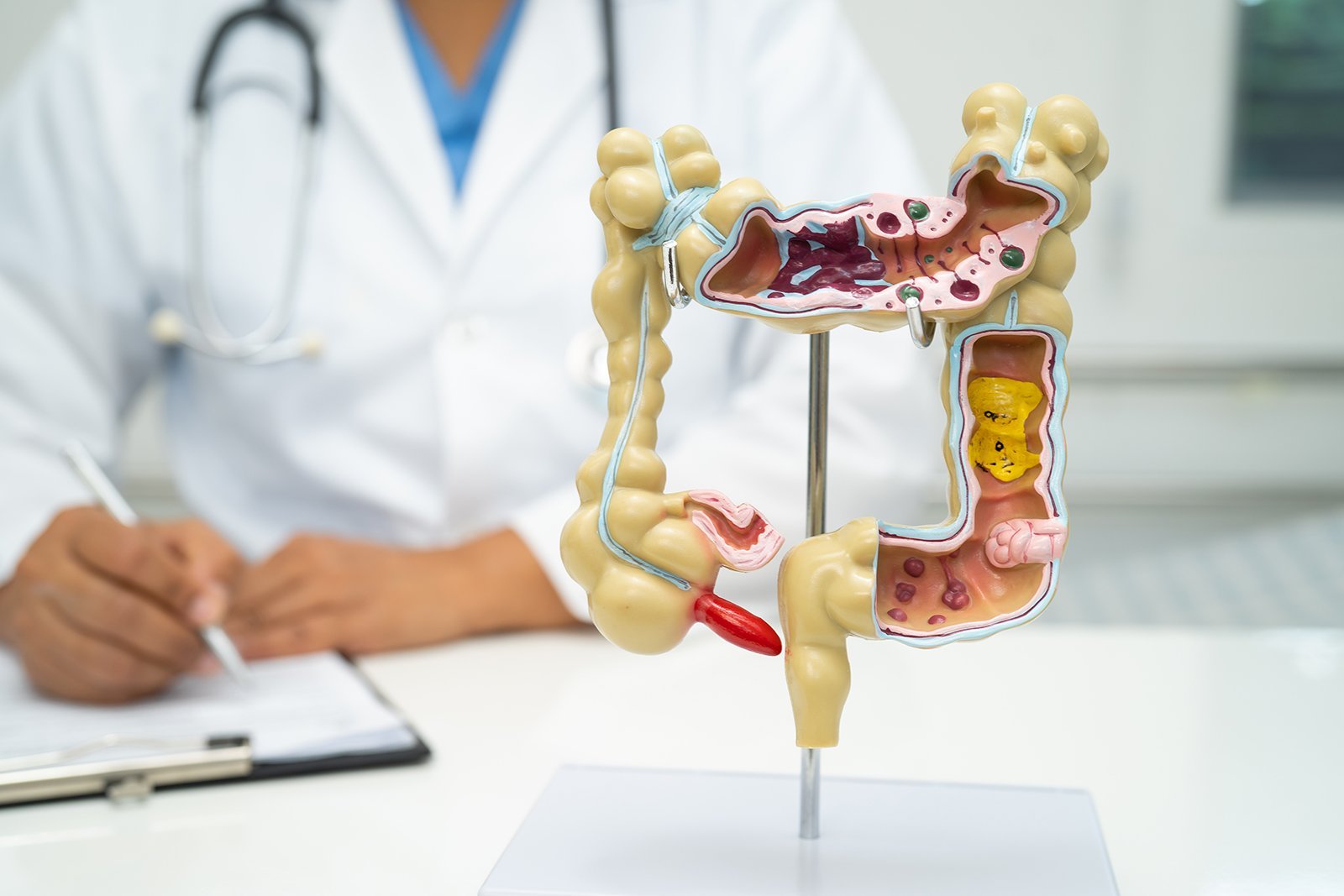
Most people don’t realize their symptoms—bloating, fatigue, brain fog, joint pain, weight gain, or even hormonal chaos—could all stem from a single root cause: a leaky gut.
Also called intestinal permeability, leaky gut isn’t just a trendy diagnosis—it’s a real condition backed by science and seen daily in my practice. It’s also one of the most common yet overlooked triggers of chronic symptoms in women, especially those struggling with hormones, metabolism, and inflammation.
So what exactly is leaky gut, why does it happen, and most importantly, how do we fix it?
What Is Leaky Gut?
Your gut lining is designed to be selectively permeable. Think of it like a coffee filter—it lets nutrients in and keeps toxins, pathogens, and undigested food out of the bloodstream.
When the gut lining becomes damaged or inflamed, the tight junctions between your intestinal cells loosen. This allows unwanted substances to leak into the bloodstream, where they trigger immune reactions and chronic inflammation.
This is what we call leaky gut, and it can wreak havoc far beyond your digestive system.
Symptoms of Leaky Gut
Leaky gut often masquerades as a dozen other things. You might have it if you’re experiencing:
- Bloating, gas, or abdominal pain
- Brain fog, fatigue, or difficulty concentrating
- Skin issues like eczema, acne, or rashes
- Food sensitivities or intolerances
- Autoimmune flares or chronic inflammation
- Hormonal symptoms like PMS, irregular cycles, or thyroid dysfunction
If you’ve been chasing symptoms across multiple systems with no clear answer, your gut may be ground zero.
What Causes Leaky Gut?
Several common triggers damage the gut lining, including:
1. Processed Foods & Sugar
Refined sugar and industrial oils promote inflammation and feed harmful gut bacteria.
2. Gluten & Food Sensitivities
Gluten increases zonulin, a protein that loosens tight junctions in the gut lining, especially in people with sensitivities or autoimmune issues.
3. Chronic Stress
Elevated cortisol suppresses digestive enzymes and impairs the protective mucosal lining of the gut.
4. Toxins & Medications
NSAIDs (like ibuprofen), antibiotics, and even birth control can damage gut integrity over time.
5. Dysbiosis (Imbalanced Gut Bacteria)
Low levels of beneficial bacteria or overgrowth of pathogens like yeast, parasites, or SIBO can weaken the gut barrier.
6. Infections
H. pylori, parasites, or viral infections can directly damage gut tissue and promote permeability.
The Hormone-Gut Connection
Leaky gut doesn’t just affect digestion—it disrupts hormone balance in powerful ways:
- Thyroid: Increases autoimmune risk, especially Hashimoto’s
- Estrogen: Impairs detox and clearance, leading to estrogen dominance
- Cortisol: Triggers chronic adrenal stress and fatigue
- Insulin: Promotes resistance and inflammation, affecting weight and metabolism
Healing the gut is often the missing piece in resolving hormonal imbalances, cycle issues, and stubborn weight gain, especially when nothing else seems to work.
How to Fix Leaky Gut
Here’s the good news: the gut lining can heal when given the right support. Here’s the foundational approach I use in my practice:
1. Remove the Triggers
Start by identifying and eliminating common irritants:
- Gluten, dairy, sugar, alcohol
- Processed and inflammatory foods
- Foods you know cause bloating or fatigue
Testing for food sensitivities and gut infections through a comprehensive stool test (like GI-MAP) is a game-changer.
2. Replace What’s Missing
Support digestion with:
- Digestive enzymes
- HCl (if stomach acid is low)
- Bitter herbs or ox bile to enhance bile flow and enzyme release
3. Rebuild the Gut Lining
Use nutrients that promote healing:
- L-glutamine (an amino acid that fuels gut cells)
- Zinc carnosine (repairs mucosal lining)
- Slippery elm, aloe vera, and collagen for soothing support
4. Repopulate with Good Bacteria
Restore microbial balance with:
- High-quality probiotics
- Prebiotic-rich foods (like onions, garlic, asparagus, artichokes)
- Fermented foods (like sauerkraut and kefir—if tolerated)
5. Rebalance Your Nervous System
Healing the gut requires a calm nervous system. Build in:
- Deep breathing, meditation, or prayer
- Walks outside
- Quality sleep and blood sugar stability throughout the day
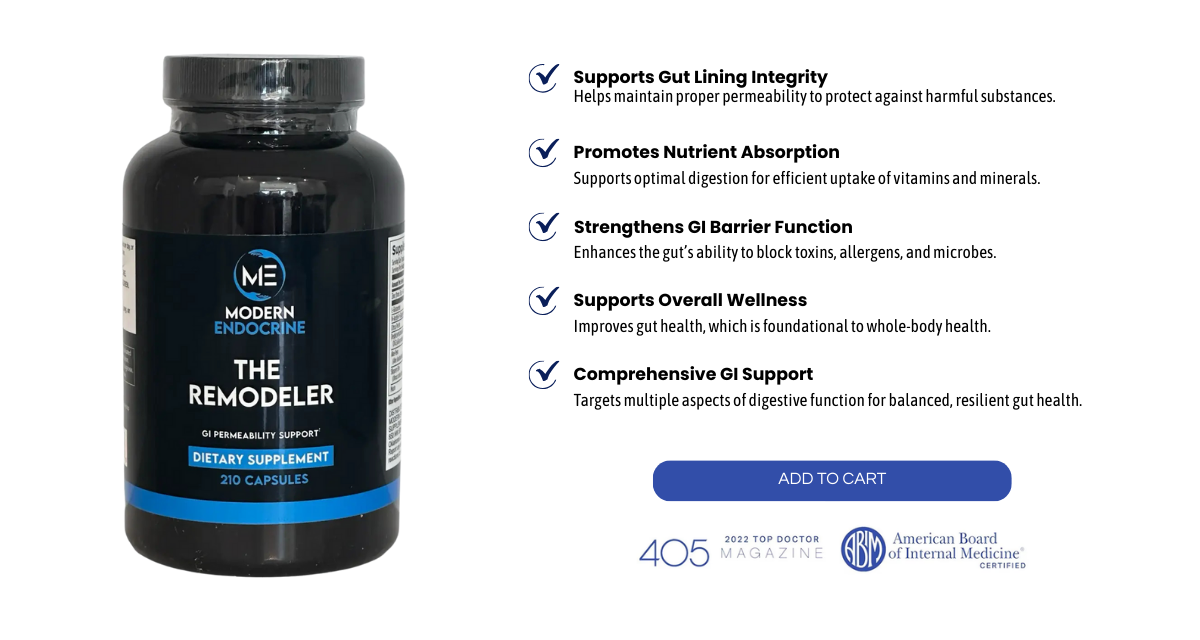
If your gut lining isn’t strong, your whole body feels it. The Remodeler reinforces intestinal integrity, helps prevent toxins from entering your bloodstream, and promotes optimal nutrient absorption, so your digestion and your overall wellness stay strong.
Final Thoughts
Leaky gut is real, it’s common, and it’s completely reversible with the right tools. If you’ve been stuck in a cycle of symptoms, restrictive diets, or hormone roller coasters, your gut might be the key.
At Modern Endocrine, we dig deeper to uncover why you’re experiencing symptoms, not just treat them on the surface. If you’re ready to get your gut (and your hormones) back on track, we’re here to help.
Is your gut quietly driving your symptoms? Let’s run a GI-MAP to find out.
References
Fasano, A. (2012). Leaky gut and autoimmune diseases. Clinical Reviews in Allergy & Immunology, 42(1), 71–78. https://doi.org/10.1007/s12016-011-8291-x
Mu, Q., Kirby, J., Reilly, C. M., & Luo, X. M. (2017). Leaky gut as a danger signal for autoimmune diseases. Frontiers in Immunology, 8, 598. https://doi.org/10.3389/fimmu.2017.00598
Bischoff, S. C., Barbara, G., Buurman, W., Ockhuizen, T., Schulzke, J. D., Serino, M., … & Wells, J. M. (2014). Intestinal permeability—a new target for disease prevention and therapy. BMC Gastroenterology, 14(1), 189. https://doi.org/10.1186/s12876-014-0189-7